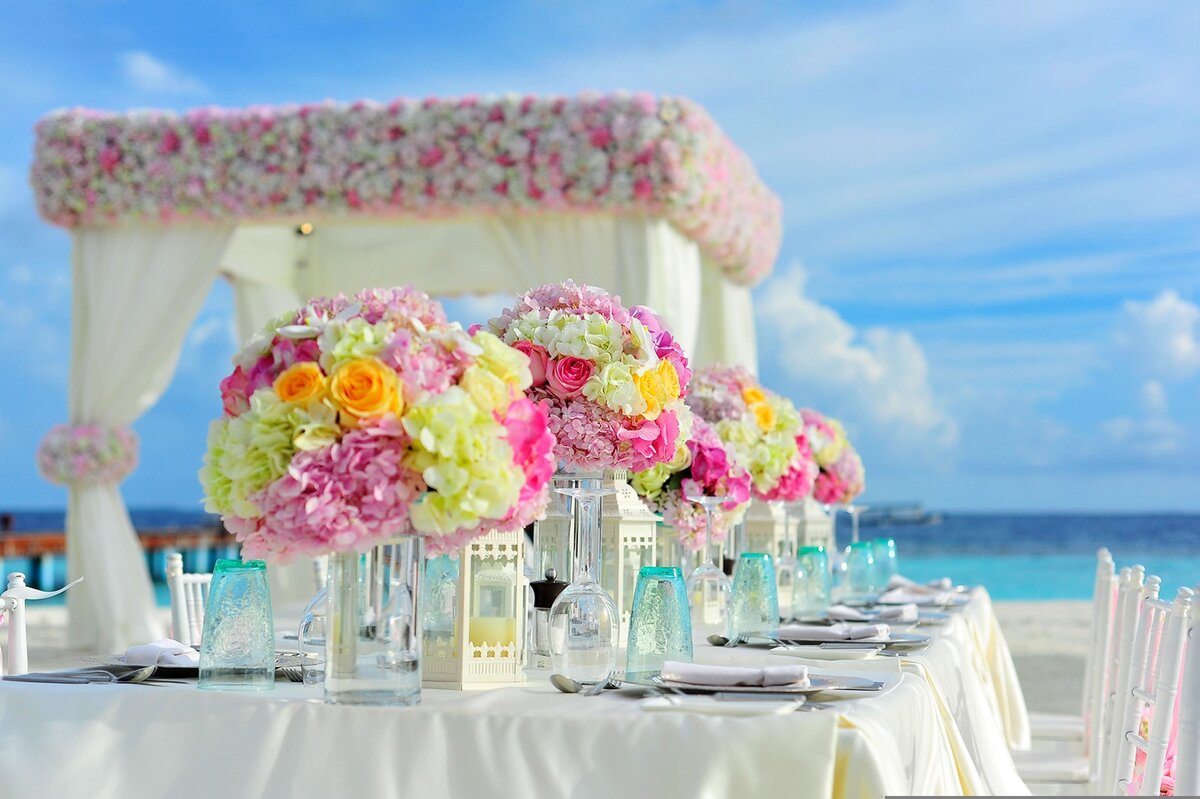
Something Borrowed, Something Faux
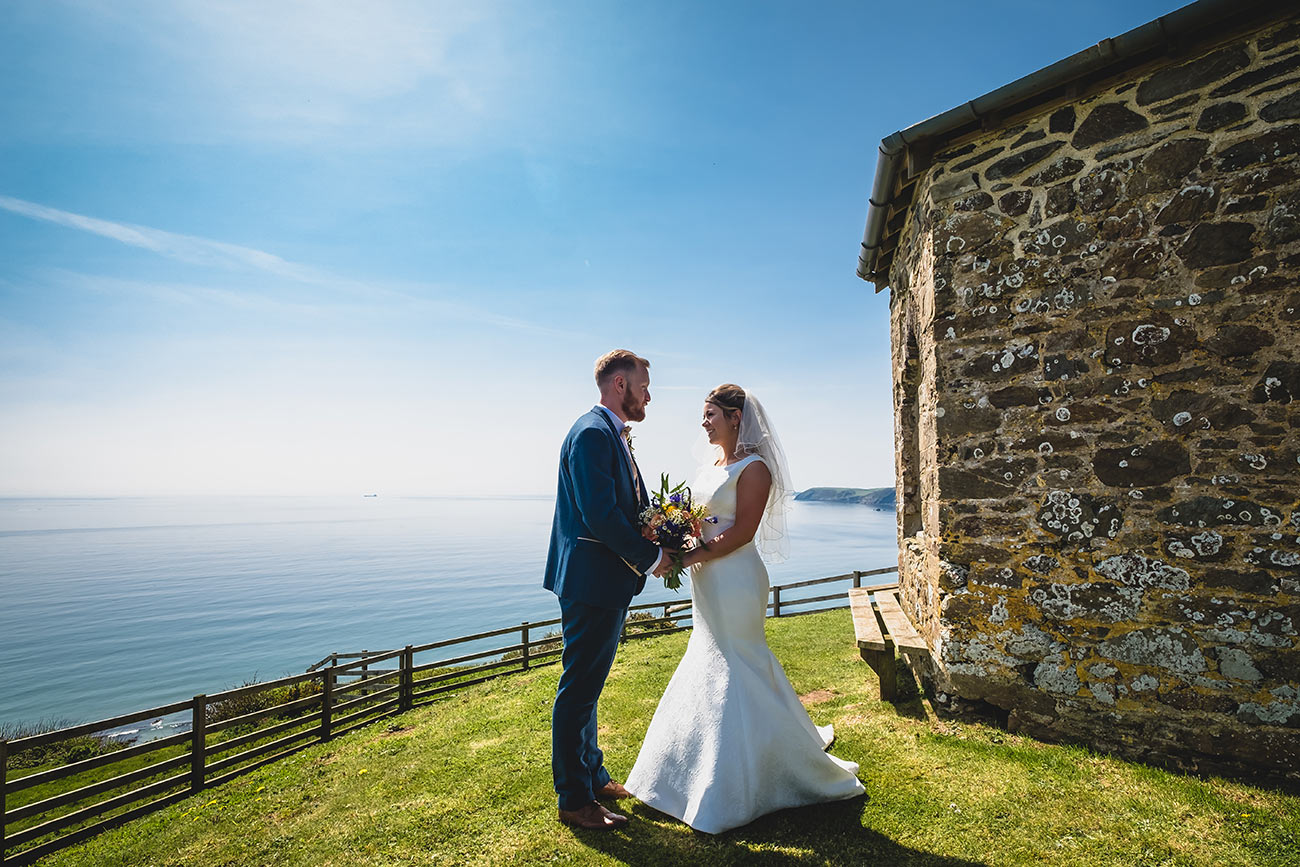
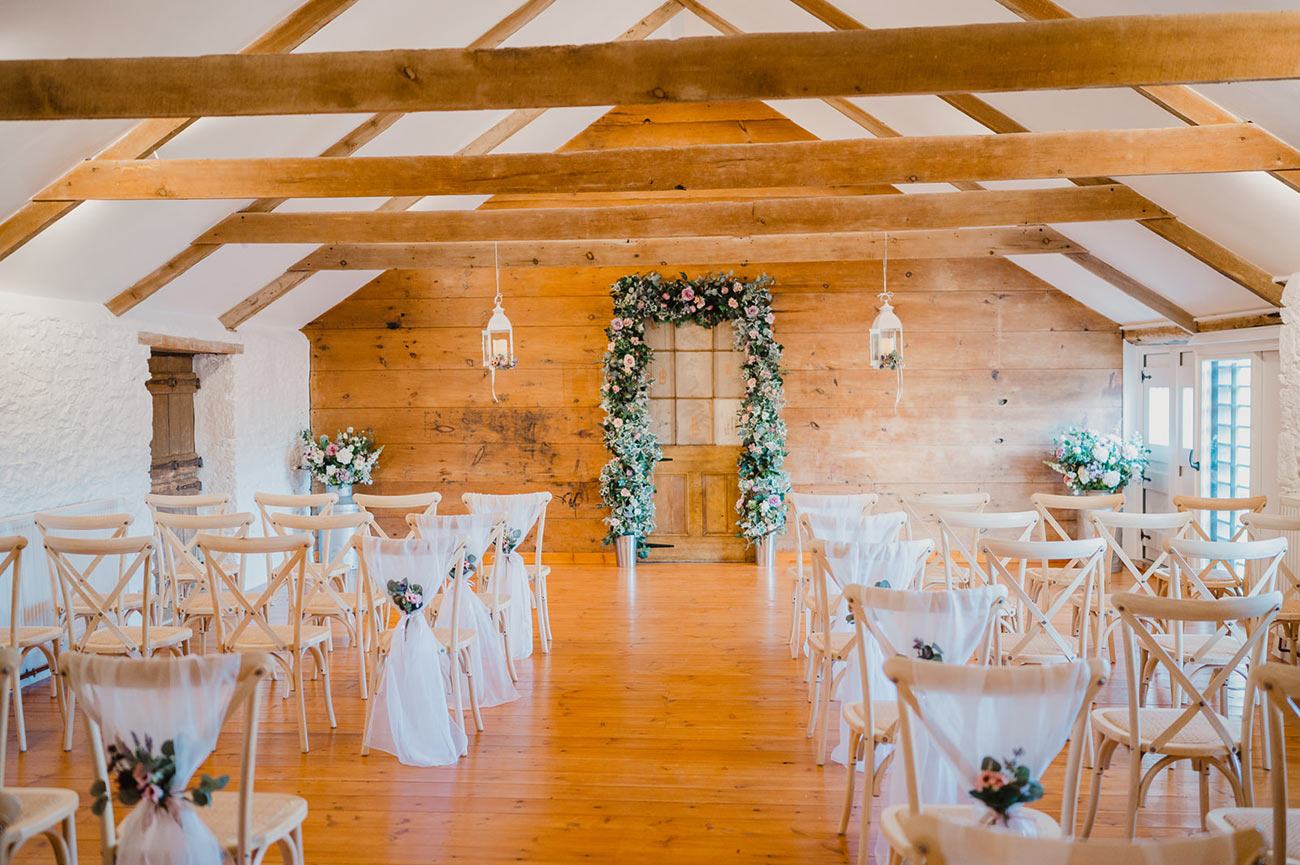
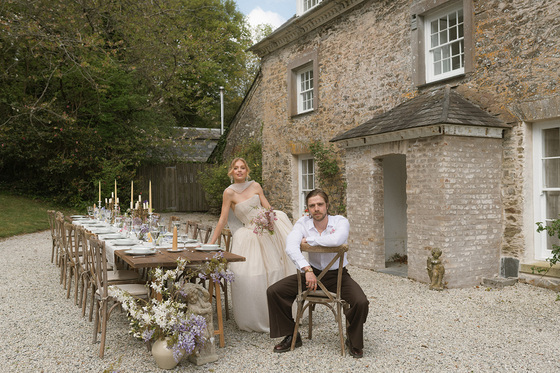
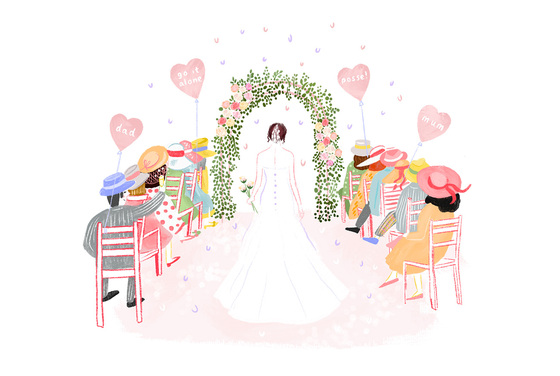
Flowers have always been central to the wedding day. From the bridal bouquet to the ceremony arch, table centrepieces to the buttonhole, they set the tone before a single word is spoken. But the question of which flowers is one that more couples have been approaching differently.
New research from The Faux Flower Company reveals a 250% rise in UK couples searching for artificial flowers for their wedding bouquets, as a growing number of brides choose quality faux arrangements that last long beyond the big day.
UK online searches for artificial flowers for wedding bouquets have grown by 250% over the past five years, a figure that reflects both a shift in consumer attitudes and a significant improvement in the quality of faux products now available.
It is a trend that sits alongside a broader rethinking of the wedding flower budget. 27% of UK couples overspend on flowers for their wedding, more than on almost any other single category. For many, faux arrangements offer a way to get exactly the look they want, at a predictable cost, with an arrangement that does not wilt before the speeches.
“The conversation around faux flowers at weddings has changed completely. Couples are no longer asking whether faux is acceptable. The focus has shifted from compromise to creative choice, and that is reflected in the quality of what is now available at the higher end of the market.”
Rachel Dunn, Head of Product, The Faux Flower Company
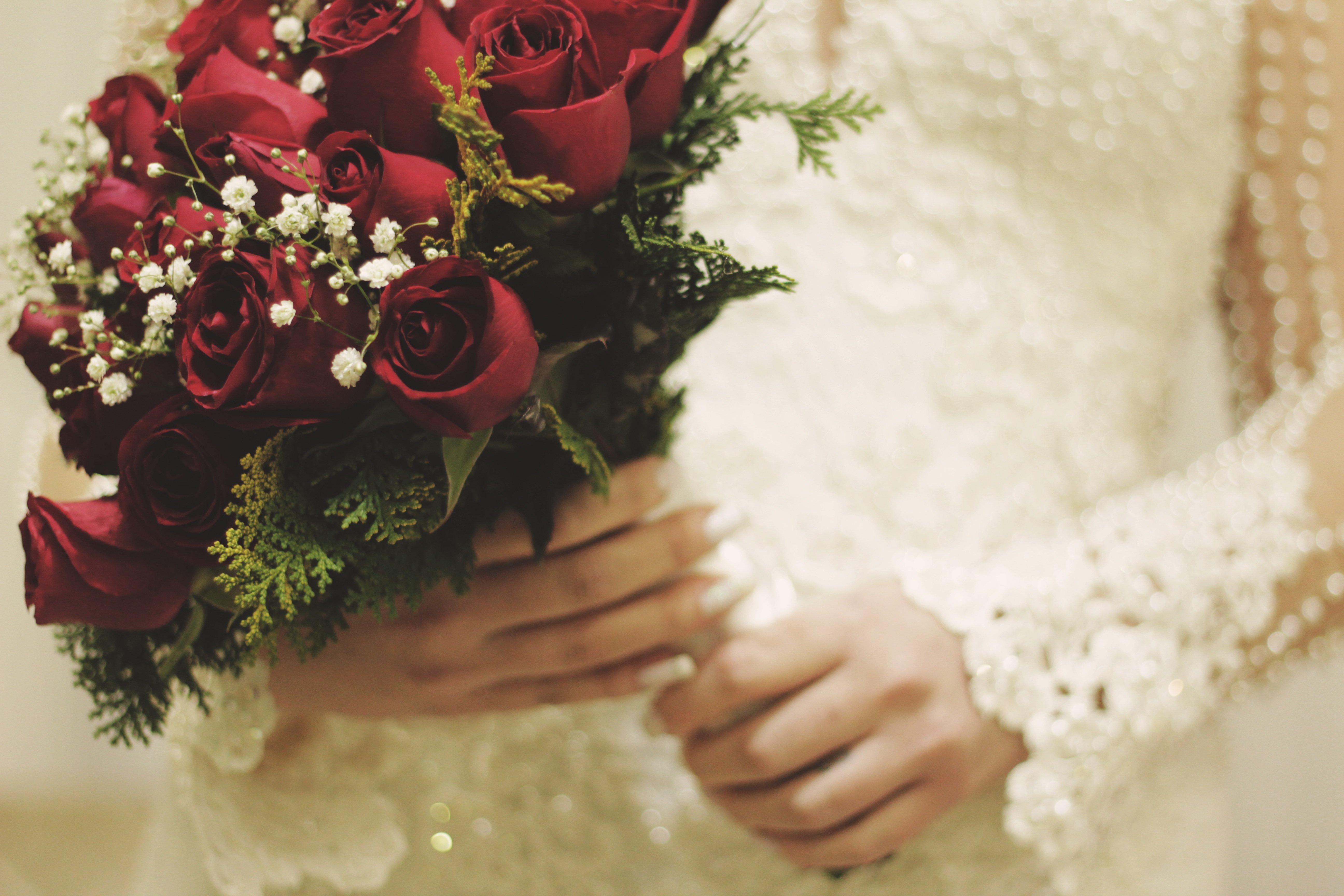
A Market Reflecting the Shift
The data supports what many wedding florists and stylists are observing on the ground. The global wedding flower delivery market is forecast to grow at 7.2% per year up to 2030, partly because more couples are treating their wedding flowers as a long-term investment rather than a single-day expense.
For faux flowers specifically, the appeal has moved well beyond cost. Today’s high-quality artificial flowers use so-called ‘Real Touch’ materials that closely replicate the texture and movement of fresh petals. Out-of-season blooms are available year-round. Arrangements can be ordered weeks ahead without the risk of wilting, late delivery, or blooms that fail to open in time. And after the day itself, bouquets and centrepieces can come home, rather than going into the compost.
That last point resonates particularly with couples planning destination or overseas weddings, where transporting fresh flowers is impractical, and with those who simply want their bouquet to remain as it was on the day.
“We see a lot of couples building their wedding look around a hero faux piece and then complementing it with fresh stems on the tables,” says Dunn. “It gives them the scale and the drama they want, with the warmth and scent of real flowers where it matters most.”
Methodology
This research was compiled by The Faux Flower Company in March 2025. The 250% growth figure for UK online searches for artificial wedding bouquets is sourced from Blooming Artificial’s consumer research (bloomingartificial.co.uk). The 27% overspend figure is from Bridebook’s UK wedding data, cited by Blooming Artificial. Wedding flower market growth projections (7.2% CAGR to 2030) are from Grand View Research’s Flower Delivery Service Market Report (2024).