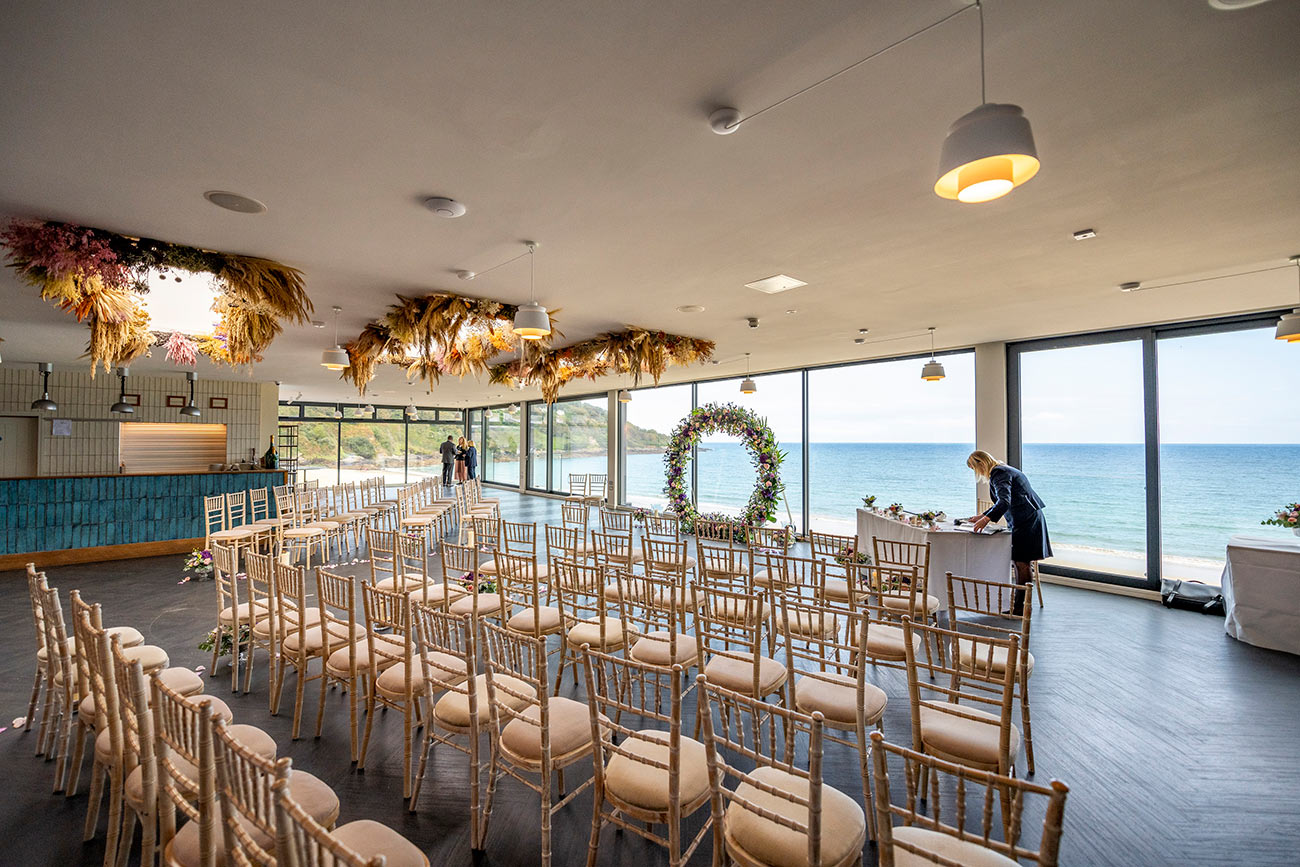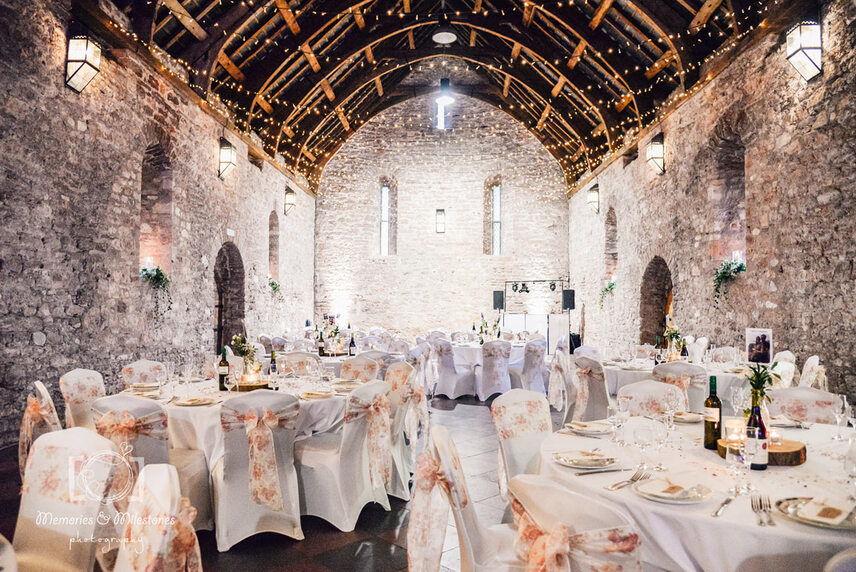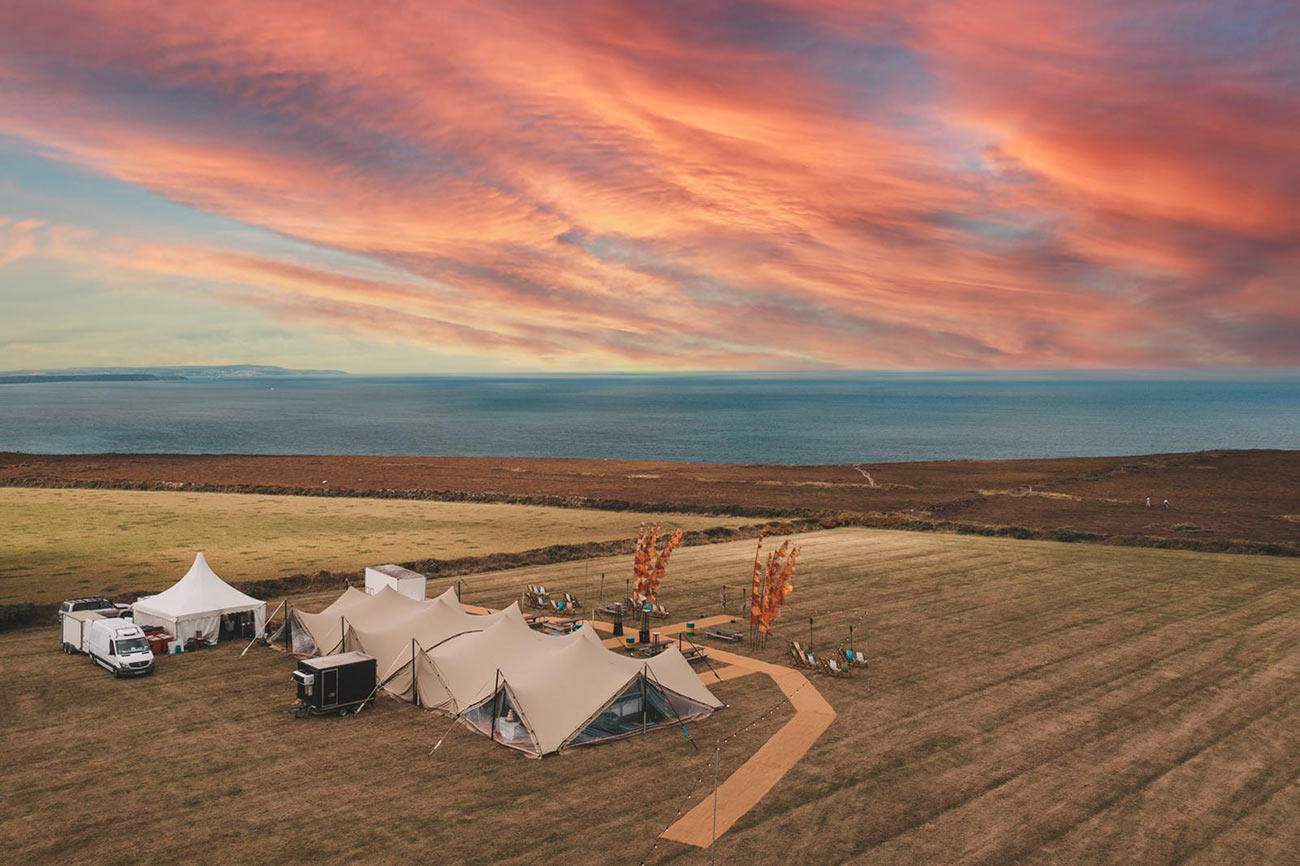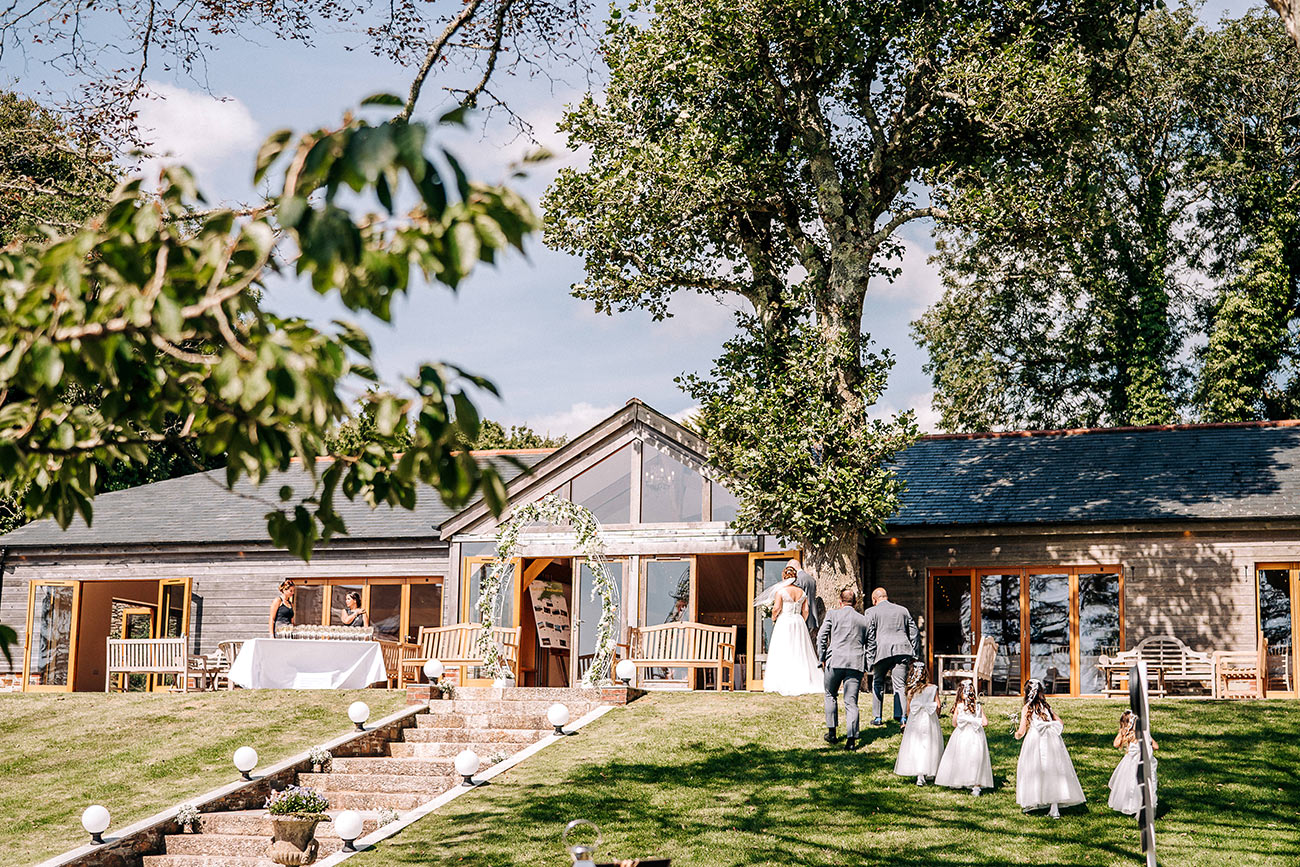
Operating a wedding venue involves more than hosting events. It requires coordination of logistics, financial management, facility maintenance, and customer experience design. Each event is a complex operation with multiple dependencies, and consistency is critical to maintaining reputation and profitability.
Behind the scenes, venue management is structured around systems that ensure reliability, efficiency, and compliance.
Main Photo by The Visionary Vows: Photo Credits
Venue Operations and Scheduling Systems
Wedding venues operate on tightly controlled schedules. Events are often booked months or years in advance, requiring precise calendar management.
Scheduling systems must account for setup, event duration, and breakdown periods. Overlapping bookings can create operational conflicts, so buffer times are essential.
Operational planning includes:
-
Coordinating vendor access and timing
-
Allocating staff for setup and service
-
Managing transitions between events
Accurate scheduling ensures smooth execution and prevents disruptions.
Facility Management and Infrastructure Control
The physical condition of the venue directly affects both safety and customer perception. Maintenance must be continuous and proactive.
Infrastructure systems such as lighting, HVAC, plumbing, and electrical must be monitored regularly. Failures during events can disrupt operations and damage reputation.
Facility management involves:
-
Routine inspections and preventive maintenance
-
Immediate response to technical issues
-
Ensuring compliance with safety regulations
Reliable infrastructure supports uninterrupted event execution.
Vendor Coordination and Workflow Integration
Wedding venues depend on external vendors, including caterers, decorators, photographers, and entertainment providers. Coordination is required to align all parties within a fixed timeline.
Each vendor has specific requirements for access, setup, and operation. These must be integrated into a unified workflow.
Effective coordination ensures:
-
Efficient use of space and resources
-
Minimal interference between vendors
-
Timely execution of event components
Workflow integration reduces operational friction.
Financial Management and Cost Tracking
Wedding venues operate with multiple revenue streams and cost centers. These include event bookings, add-on services, staffing, and maintenance.
Accurate financial tracking is essential for profitability. This includes monitoring deposits, final payments, and operational expenses.
For venues managing leased properties or equipment, tools such as UK lease accounting software help track liabilities, payment schedules, and compliance with accounting standards.
Structured financial systems ensure:
-
Accurate revenue recognition
-
Controlled expense management
-
Compliance with financial regulations
Financial clarity supports sustainable operations.
Staff Management and Role Allocation
Event execution requires coordinated staff roles. Teams may include event coordinators, maintenance personnel, and service staff.
Clear role definition ensures that responsibilities are understood and executed efficiently. Staff must be trained to handle both routine tasks and unexpected issues.
Staff management focuses on:
-
Scheduling based on event requirements
-
Training for consistency in service delivery
-
Real-time coordination during events
Effective staffing ensures operational reliability.
Client Experience Design and Communication
Wedding venues must deliver consistent client experiences. This requires structured communication from initial inquiry through event completion.
Clients expect clarity in pricing, services, and timelines. Miscommunication can lead to dissatisfaction or operational issues.
Experience design includes:
-
Providing detailed event plans and timelines
-
Maintaining regular communication with clients
-
Ensuring alignment between client expectations and execution
Clear communication reduces errors and improves satisfaction.
Risk Management and Contingency Planning
Events involve multiple variables, including weather, equipment performance, and vendor reliability. Risk management systems must address these uncertainties.
Contingency plans ensure that operations can continue despite disruptions. This may include backup equipment, alternative layouts, or adjusted schedules.
Risk management strategies include:
-
Identifying potential points of failure
-
Preparing alternative solutions in advance
-
Training staff to respond to unexpected situations
Preparedness minimizes the impact of disruptions.
Inventory and Asset Management
Venues maintain inventories of furniture, decor, and equipment. These assets must be tracked, maintained, and replaced as needed.
Inventory systems ensure that all required items are available and in good condition. Missing or damaged items can affect event quality.
Asset management includes:
-
Tracking usage and condition of items
-
Scheduling maintenance or replacement
-
Organizing storage for efficient access
Effective inventory control supports consistent service.
Attention to Detail in Event Presentation

Photo by ishola S.Oladimeji: Photo Credit
Small details significantly influence guest perception. Table settings, decor elements, and layout must be consistent with the event design.
Items such as ceramic coasters contribute to both functionality and presentation. These elements protect surfaces while enhancing the overall aesthetic.
Attention to detail ensures that every component aligns with the event’s design and standards.
Continuous Improvement and Performance Evaluation
Successful venues continuously evaluate performance. Feedback from clients, staff, and vendors provides insight into areas for improvement.
Performance metrics may include:
-
Event execution efficiency
-
Client satisfaction levels
-
Operational cost management
Continuous improvement ensures that the venue remains competitive and adaptable.
Running a wedding venue requires structured systems that integrate scheduling, financial management, and operational control. From coordinating vendors to maintaining infrastructure, each component contributes to consistent event execution. By focusing on reliability, communication, and continuous improvement, venues can deliver high-quality experiences while maintaining efficient and sustainable operations.