BEFORE THE WEDDING
Trash the Bride - Scotland
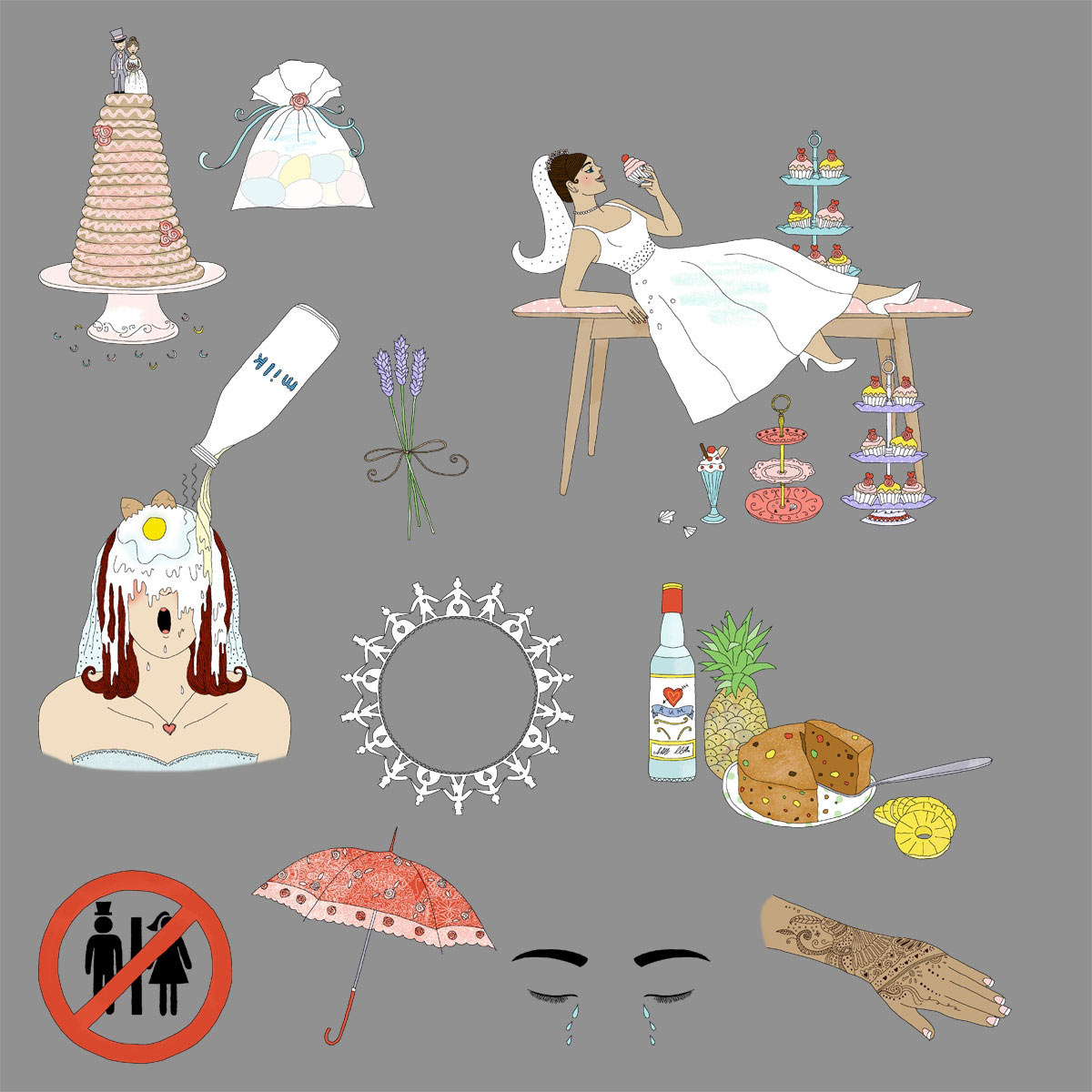
Never mind the Trash the Dress trend, have you heard of Trash the Bride? This rather unsavoury custom involves pelting the bride and groom with rotten eggs, fish, curdled milk and other such delicacies - all from your bin. And then? It's off out on your respective hen and stag dos! The idea behind this culinary coating is that it prepares the couple for any humiliation or difficulties they might encounter during the course of their marriage.
Foot whipping - South Korea
Unlucky gentlemen in South Korea have the prospect of a foot whipping - known as bastinado or falaka - to look forward to before they can tie the knot. A foot whipping is exactly what it sounds like and involves his groomsmen beating his feet with a cane, or, bizarrely, a fish. Why? To test his strength of character, apparently!
Weeping - China
Weddings can be emotionally exhausting. And in some regions of China, couples like to indulge in hard-core prep in the form of mandatory crying sessions. The bride is supposed to weep for one hour a day in preparation for the potentially weepy big day. Over the course of a month she has to get all her gal pals to join in too: sisters, aunties, mum and granny. Luckily for modern brides, this custom peaked in the 17th century, although it's still practiced in certain areas. Get the waterproof mascara at the ready.
DURING THE WEDDING
Lavender sprig - Ireland
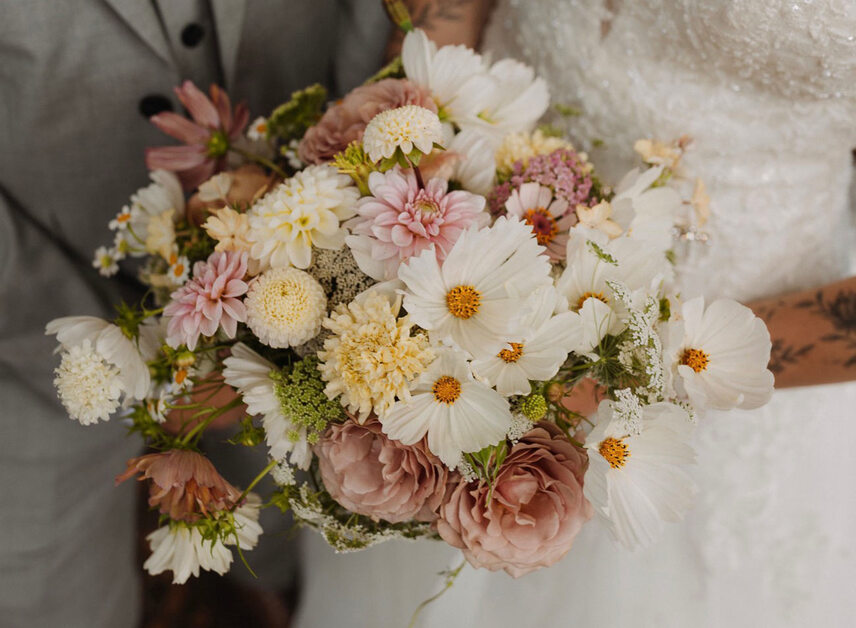
In Ireland, brides often add a simple sprig of lavender to their bouquet as it's said to symbolise love and devotion: perfectly W-day appropriate and who doesn't love the dreamy scent of lavender?
Smashing plates - Germany
Invited any German guests to your wedding? Watch out if they give you tableware as a wedding gift as it's customary at traditional German weddings to gift the couple porcelain and then go ahead and smash it. Oh, and the happy couple are expected to clear it up, too. The smashing represents the warding off of evil spirits and the tidy up afterwards demonstrates that marriage isn't always easy, but by working together you can accomplish great things.
Bell breaking - Guatemala
Slightly more manageable is this Guatemalan custom where the mother of the groom breaks a white bell filled with flour, rice and grains, which is said to welcome the newly-weds to the party and the contents should bring them good fortune (as well as some more cleaning up).
Duck giving - Korea
This Korean tradition sees grooms gift their new mother-in-laws with a couple of Mandarin ducks. This breed of duck is believed to be monogamous, so it's given to reassure the mother-in-law of the groom's loyalty to his new wife. Thoughtful though it is, however, ducks don't make the most practical present. So in recent years, grooms have given the less taxing gift of wooden ducks instead. All the thought and none of the responsibility of owning actual live birds!
La soupe - France
Thought a French wedding would be all couture Chanel gowns and romantic photo ops at the Eiffel tower? Think again. In this bizarre ritual, the bridal party are meant to clear up any post-party leftover drinks and put them into a toilet bowl. The lucky couple are then supposed to, er, drink it! Supposedly this gives the couple strength before their big wedding night. Today, although the 'soup' kindly consists of champagne and chocolate, it's still served out of a toilet bowl. Maybe time to rethink that chic destination wedding...
Almond cake - Norway
Kransekake: a tower of iced almond rings, a delicious Norwegian alternative to our traditional three-tier cake. And the best bit? The tower is often built over a bottle of wine so, as guests break off pieces of dessert, they reveal another tasty treat.
Croquembouche - France
Not a fan of sponge cake? Steal this yummy French custom. It's another tower, but this time it's cream-filled choux pastry balls instead of a traditional wedding cake. Croquembouche can be decorated with nuts, fruit and glazes and makes for a truly special (not to mention edible) centrepiece.
Confetti - Italy
In Italy, confetti comes in the form of sugary sweet treats such as sugared almonds. These confectionery delights used to be thrown in place of the little scraps of paper we traditionally know as confetti. Now that's an idea we can definitely get behind (although scrabbling around on the floor in your wedding dress chasing sugared almonds might not be the best W-day look!).
Fruit cake - Jamaica
If a traditional wedding cake is not for you, why not borrow from Jamaica: in some Caribbean countries it's common to serve moist fruit cake flavoured with fruits and rum, similar to a traditional Christmas cake.
Henna - India
This visually stunning tradition comes from India, where the bridal party are covered in intricate henna designs. Not only is the result incredibly beautiful, but it's also said to represent the joy, hope and love of the happy occasion.
Two bouquets - Mexico
Can't decide between bouquets? It's not uncommon for brides in Mexico to carry two, one for herself and a second as a tribute to the Virgin Mary.
Unity bowl - Australia
A unity bowl is an Australian wedding ceremony tradition where guests are given a stone to hold during the ceremony. Once the ceremony is finished, the couple place the stone into a bowl, and keep it to remind themselves of the support and presence of their friends and family.
Red umbrellas - China
Red is a powerful colour in China, so it's no surprise it plays an important part in Chinese wedding customs. Traditionally, brides would wear a red veil while their mother holds a red umbrella over her head. This is to encourage fertility and continue the growth of the family. So perhaps avoid if you're not quite ready for children yet (or have enough already!).
AFTER THE WEDDING
Housebound - Indonesia
Indonesian honeymooners are supposed to stay inside their home for three days after they've got married. This enforced house arrest is said to produce a union blessed with healthy babies. We like the idea of a post-wedding chill-out, but three days would give us a serious dose of cabin fever, newly-wed or not.
Holding on - Northern Borneo
It gets worse. In certain communities in Northern Borneo, newly-weds are supposed to avoid using the bathroom, with the encouragement from friends and family who are roped in to guard the facilities. The idea behind it is you'll live a long and happy life and be blessed with children. Well, if you (and your kidneys) can get through three days without peeing, there won't be much you can't do, that's for sure. Just imagine the relief after 72 hours.
words Abby Driver
Copyright Wed magazine 2016
Wedding traditions from around the world
Add a dash of international sparkle to your big day with these wedding traditions from around the world


Planning your wedding? use our directory to find:
More Bride Articles
.jpg)
Pre-Wedding Wellness Experiences in Cornwall
Restorative experiences designed to help you slow down, switch off and savour the moment
Inspiration for choosing a diamond wedding and engagement ring that feels beautifully your own

Pearls bring a timelessly chic finishing touch to your wedding-day look
.jpg)
Exquisite gowns from this luxe label, exclusively available at Champagne & Charlotte in the South West
.jpg)