Personalised wedding signage has moved from a practical afterthought to a design-driven detail in many modern ceremonies. Couples today are using carefully curated signs to guide guests, showcase their personalities, and tie together every part of the celebration. With thoughtful planning and a keen eye for design, signage can help shape the guest experience and atmosphere at weddings.
Wedding signage is no longer limited to a simple welcome board or a handful of arrows, and many couples source bespoke pieces from signomatic.co.ukto match their chosen style. This site offers a range of options for custom signs, including the ability to personalise materials, finishes, sizes, fonts, and designs so couples can create signage that matches their wedding aesthetic. Visitors to the website will find detailed information about the available signage products and tools for designing signs tailored specifically for events like weddings. Custom designs and stylistic choices have made signs a key ingredient in everything from the initial greeting to the late-night festivities. As weddings continue to prioritise guest comfort and visual cohesion, the use of creative, purposeful signage has become a common trend.
How contemporary weddings incorporate detailed signage
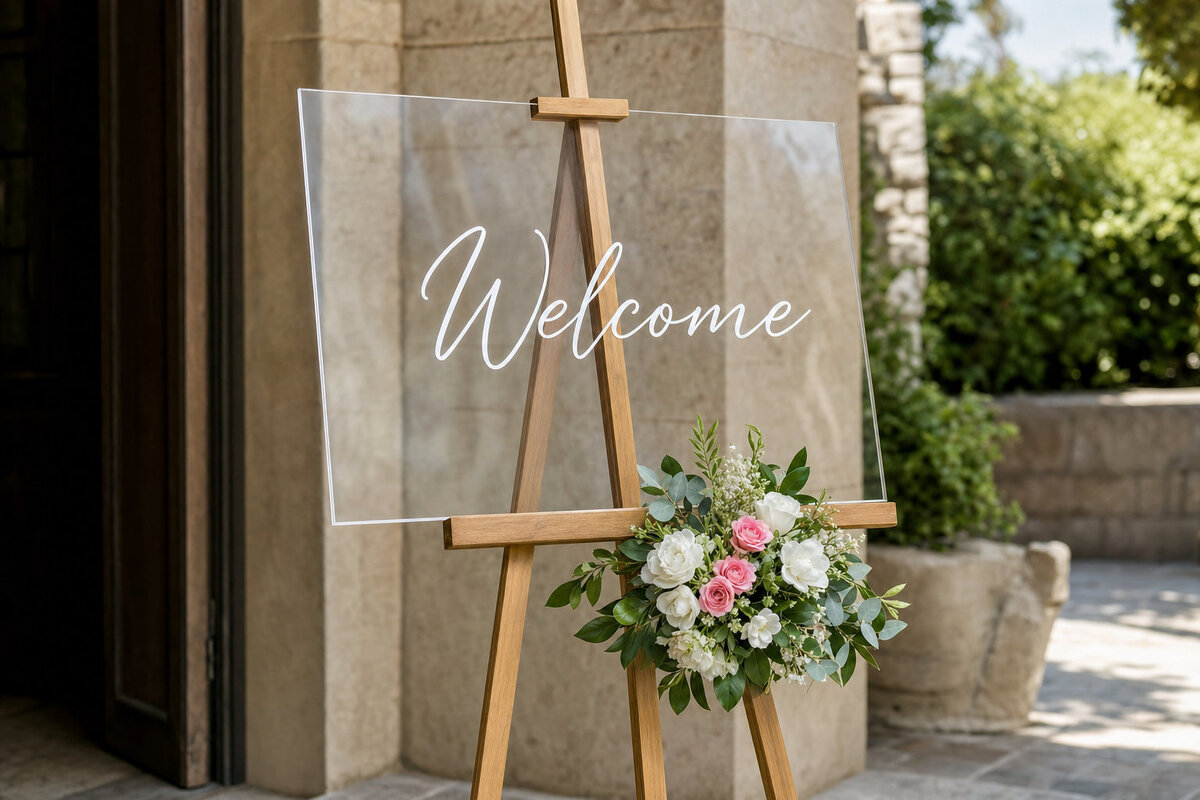
Wedding signage now covers more than just directions to the ceremony. Common examples include welcome signs placed at the venue entrance, order-of-the-day boards outlining the schedule, and seating plans guiding guests to their tables.
Other forms of signage, such as table numbers, bar menus, guestbook instructions, and signs requesting an "unplugged ceremony," have become common in wedding decor. Each can play a role in informing guests and creating a consistent visual narrative across different spaces.
These signs can help guests find their way around venues, understand the flow of events, and feel at ease in unfamiliar surroundings. Coordinated signage throughout the celebration can also reduce confusion and repetitive questions for both couples and event staff.
Main reasons for the growing popularity trend
Clear, well-designed signage can enhance the experience for guests, particularly at venues with multiple rooms or outdoor spaces where directions might not be obvious. A visible and attractive order-of-the-day board, for instance, allows everyone to stay informed without needing to ask venue staff.
Consistency in signage design, using elements such as matching colours, fonts, or motifs, can bring the ceremony and reception together visually. This can create a sense of cohesion, making the whole event feel thoughtfully planned and visually harmonious.
Signage can also support accessibility by providing essential information in clear, legible formats. Clear layout and font choices can benefit guests of all ages and abilities and reduce barriers to enjoyment.
As aesthetic preferences evolve, couples may use signs to inject personal flair, showcasing their style, sense of humour, or thematic vision. As a result, signage can be both a practical tool and an opportunity for creative self-expression.
Design decisions that elevate wedding signage style
Typography is a key consideration for signage intended to be read from a distance. Choosing fonts that balance elegance with legibility can ensure that information is both attractive and accessible.
Couples and designers may align signage colours and motifs with other elements, like invitations, table settings, or floral arrangements, to create a consistent aesthetic. This attention to detail can help the event feel intentional and cohesive across ceremony and reception spaces.
Consistency across different types and sizes of signs matters as well. Using a unified design language, including icons or borders, can strengthen the sense of harmony across printed or hand-painted pieces.
Placement is crucial, whether it is a welcome board at the entry, directions to the bar and restrooms, or signage at the ceremony aisle. Sightlines and foot traffic patterns can guide where signs are installed for visibility and usefulness.
Popular materials, finishes, and practical planning tips
Materials have diversified beyond traditional card or paper. Acrylic signs can offer a sleek finish and durability, making them suitable for both indoor and outdoor celebrations.
Wooden signs can bring warmth, while metal finishes such as brass are sometimes used for more formal wedding styles. Durable materials can be important for weather exposure and transport, especially at countryside or multi-venue events.
Planning can start by listing essential types of signage needed, such as welcome signs, order-of-the-day boards, table plans, and directions. Couples may also choose optional extras like bar menus or short quotes that reflect their preferences.
Consider the scale of the event, since guest numbers and venue layout can influence how many signs are required. Proofreading names, dates, and table assignments early in the process can help avoid last-minute corrections.
Many couples keep select signs, especially personalised pieces like a welcome board, as a keepsake after the wedding. Some display these at home or repurpose them for later family events.
Thoughtfully integrated signage can be an effective way to support both the function and overall feel of a wedding day.
.jpg)