How to share your engagement ring ideas and keep the proposal a surprise
You can know exactly what you would love to wear and still have no idea when your partner will propose. Once you have talked about marriage, sharing a few ring preferences can be a lovely next step.
A saved photograph might mean “this exact ring”, “something with a blue stone” or simply “look at that beautiful gold”. A little explanation helps your partner understand what has caught your eye, while leaving plenty about the proposal to look forward to.
Explain your favourite engagement ring styles
Send fewer pictures, with a little more detail. “I love the oval stone here, but I would prefer a plain band” says more than a string of heart emojis.
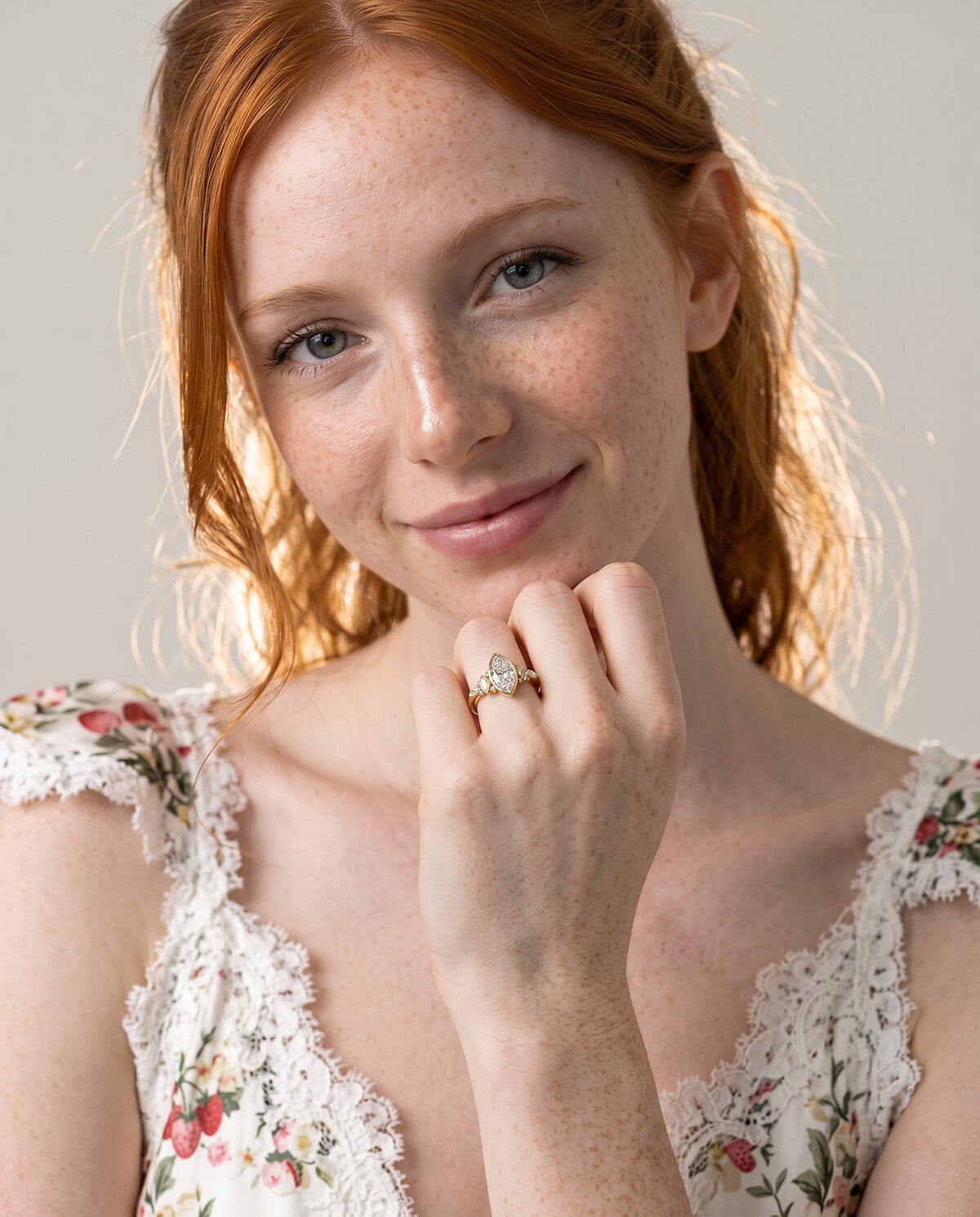
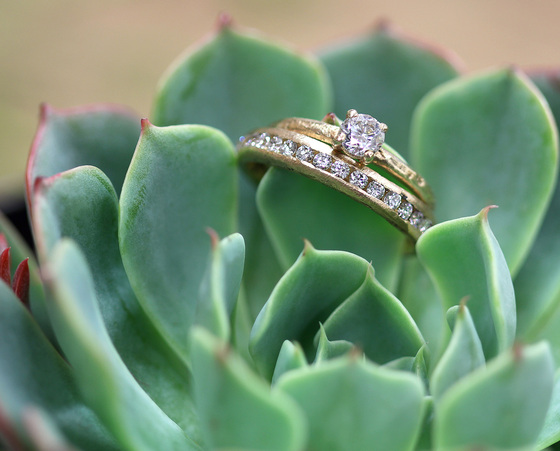
Compare a plain band with diamond-set shoulders in the engagement rings UK jewellers offer, using Lily Arkwright’s collection as a reference.
Say whether a picture is inspiration or an exact choice. Loving the shape of one ring does not necessarily mean wanting its metal colour, size or every small detail copied.
If you do mean a particular design, share the product name and the version you like. “This ring in yellow gold” is much easier to understand than a screenshot with three options visible.
Keep a few product links in one shared note, with three comments beside each:
-
What you love.
-
What you would change.
-
What matters most, and where you are flexible.
You might be set on yellow gold but happy with either a round or an oval stone. Saying so leaves your partner room to choose without having to guess.
Decide how much of the ring to choose together
Some people want to choose the precise ring while leaving when and where the proposal happens entirely to their partner. Others would enjoy a surprise within a few preferences, such as yellow gold and an oval stone. Tell each other which version sounds enjoyable.
You could try a few rings together, then let your partner make the final choice from designs you would be happy to wear. At the appointment, ask the jeweller to measure the finger you intend to wear the ring on, and record the size in your shared note.
Try saying: “I would love to choose the ring with you, but I don't want to know when you're going to ask.”
Talk about stone preferences and budget plainly
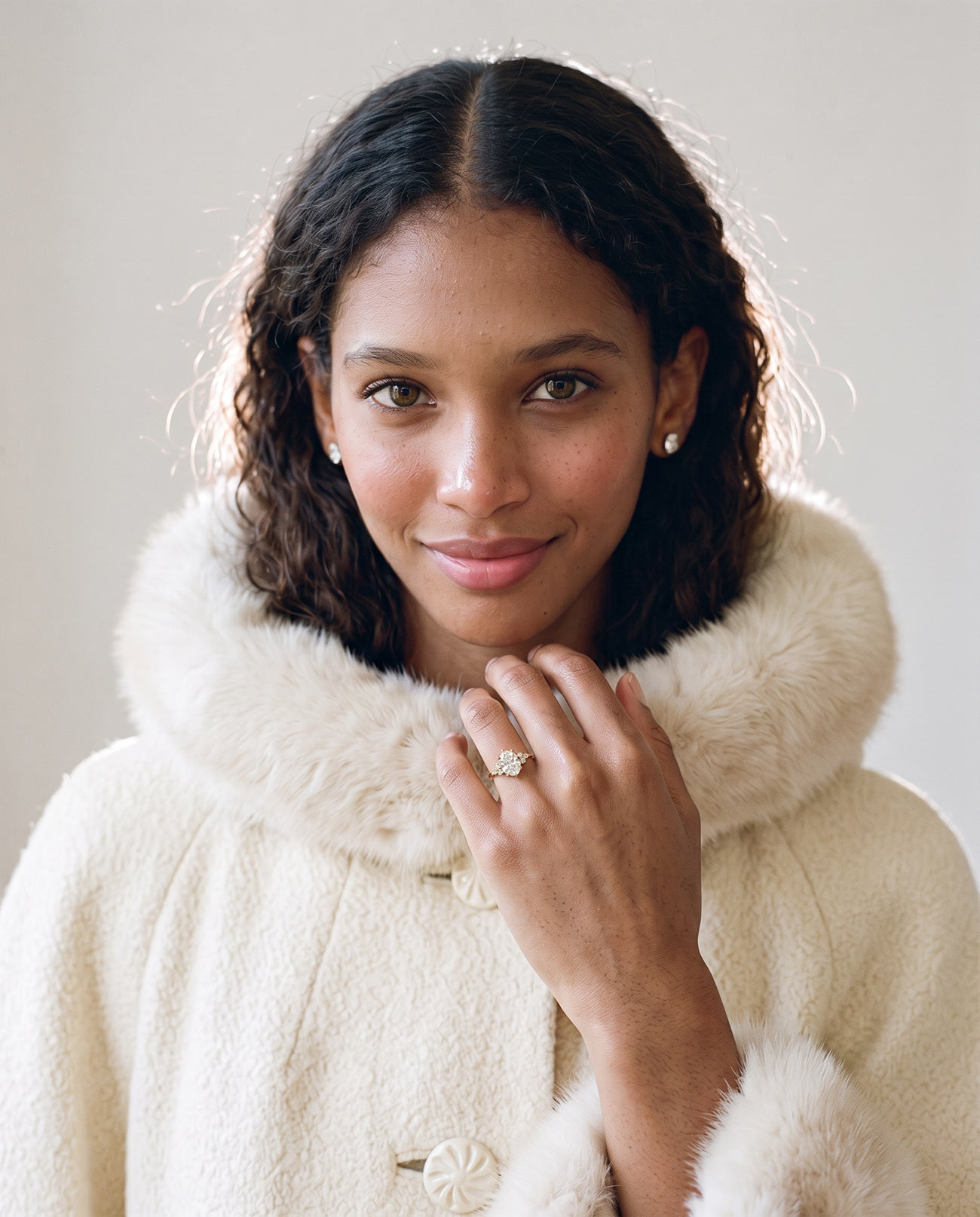
If you have a preference for a natural diamond, a lab-grown diamond or a coloured gemstone, mention it alongside the design. Discuss that choice directly rather than leaving your partner to infer it from a photograph.
Be equally open about spending. Agree what feels comfortable before sharing expensive examples, and explain when a saved ring is there for inspiration rather than its price tag. You might love the outline of a large stone while preferring to spend less on a smaller version.
If you are unsure about a choice, say so. “I love blue stones, but I haven't tried one on yet” gives your partner useful context. Wed's expert advice on choosing your rings offers more ideas for personalising a design and questions to discuss with a jeweller.
Give a trusted friend a clear role
A friend can help if you would rather your partner had someone to check a detail with. Choose one person who knows your preferences, and tell them what you are happy for them to share.
Give them the actual product links or shared note rather than relying on their memory of a conversation. Their role is to pass on your preferences, even if they would choose something different.
Keep them updated if your preferences change. Otherwise, an enthusiastic conversation about rose gold six months ago could end up carrying more weight than the yellow-gold rings you now love.
Leave room to enjoy the proposal
Once you have shared your ideas, agree whether you want any more questions about the ring. You might be happy to confirm a final detail, or prefer your partner to take it from there.
Once you feel understood, you can let the ring conversation rest and enjoy looking forward to the proposal.
The ring can be familiar and the moment still feel wonderfully unexpected. You may recognise the setting as soon as the box opens, then barely take it in because of what your partner is saying.
.jpg)
.jpg)
.jpg)