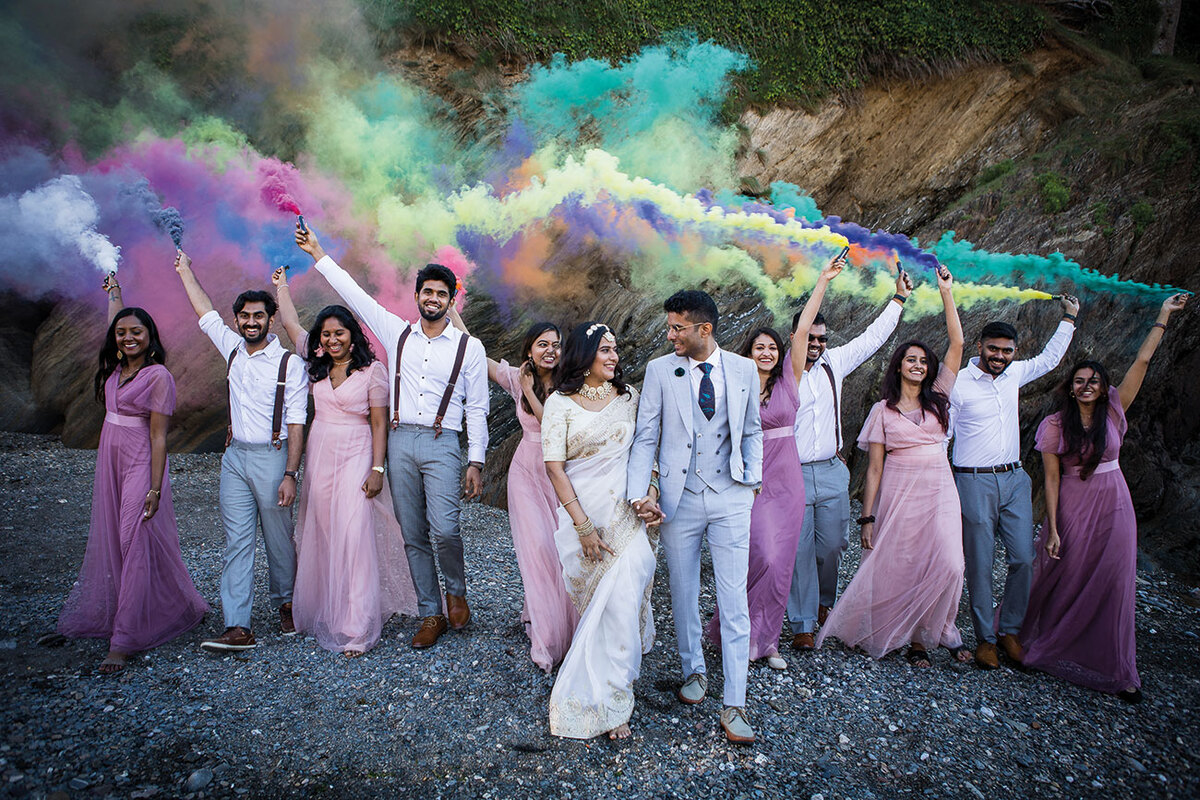
Although there are no rules when it comes to modern weddings, there are still a range of duties that will need to be performed during the run-up and on the day by a trusted entourage that you assemble. By choosing your wedding party and assigning the responsibilities required to help you create the event of your dreams, couples can include and honour their nearest and dearest in a host of ways. But what are these roles, and who are the best people to perform them?
That is entirely up to you and the type of wedding you envision. Elopements may call for just a pair of witnesses or handful of people, while a grander-scale celebration might require an all-hands-on-deck approach. Remember that there’s no done thing. Ditch the bridesmaids in favour of a single Mate of Honour. Ask your Gran to deliver a speech, your best friend to walk you down the aisle and arrange for your precious pooch to be the ring-bearer.
To help you decide, we’ve compiled a breakdown of traditional roles and responsibilities to help you pick the right people for the job.

iStock.com/Docinets Vasil
Maid (Man/Mate) of Honour
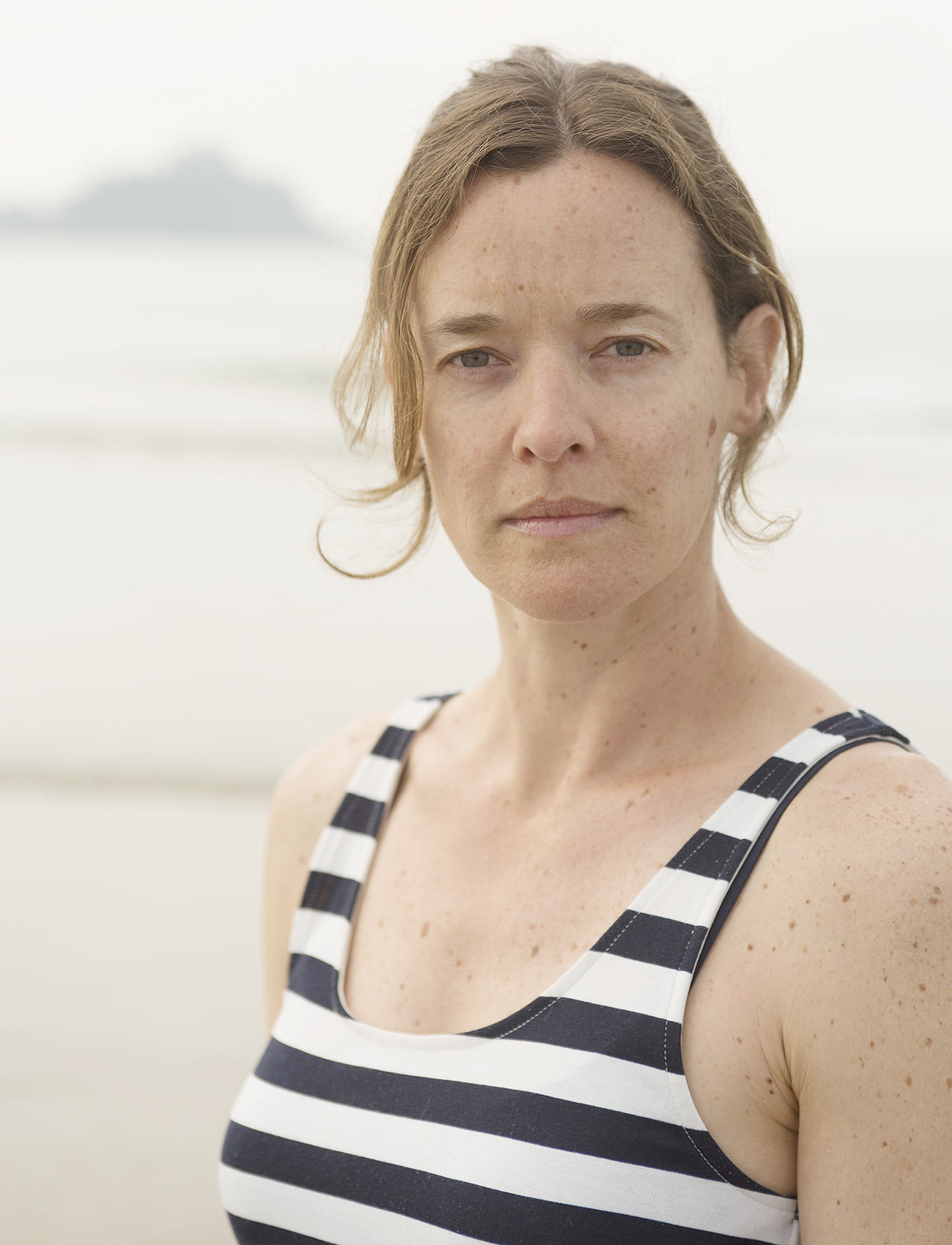
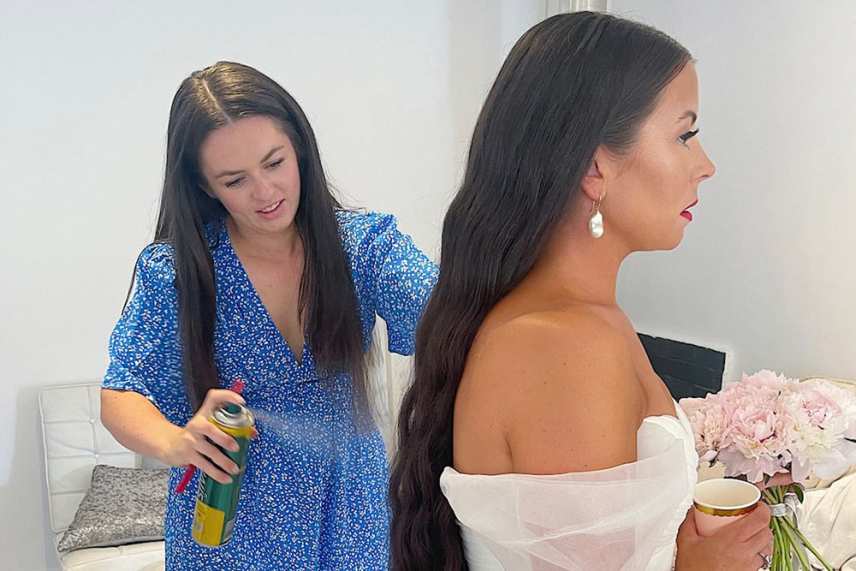
The role usually assigned to one of the bride’s top people, whether a best friend, sister or close work colleague, the maid of honour offers their support and organisational skills throughout the planning process, and on the day. This may take the form of wedding and bridesmaid dress shopping, wedding fair attendance and supplier selection, pre-wedding celebratory event planning and attendance (engagement party, hen do and rehearsal dinner), and general wedding day PA. The bride and maid of honour often get ready together, while the maid will be on hand throughout the day to shadow and assist the bride with whatever she needs, from the aisle walk to make-up touch-ups and bouquet and veil holding. It’s also becoming increasingly popular for her to say a few words or announce a toast, and for brides to choose a ‘man’ or ‘mate’ of honour too!
iStock/Massimo Merlini
Best Man (Mate/Maid)
The best man is the groom’s go-to buddy and essentially his equivalent of the bride’s maid of honour. Offering style advice when it comes to suit shopping, he’ll often orchestrate the stag do and assist with the other main events and activities leading up to the wedding. On the day, he’ll stand by the groom at the end of the aisle (and may also be the ring-bearer), can join and act as one of the ushers, and usually makes a speech. As with the maid of honour, the role is less gender-specific today, so whoever falls into the category of closest confidant can claim the best man, best mate or best maid title.
Bridesmaids (Bridesmates)
This is traditionally a group of pals who support the bride through the entire process, both emotionally and pragmatically. The bridesmaids’ duties will vary according to need but tend to revolve around organising and celebrating various aspects of the wedding, from helping the maid of honour plan and execute the hen party to picking the dresses, helping the bride get ready, walking down the aisle and a range of wedding tasks (such as supporting with the set-up, taking deliveries, packing away and hosting tables). They might give a reading during the ceremony or deliver a speech during the wedding breakfast. Again, many brides are ditching the tradition of female-only bridesmaids in favour of a more unisex approach and blended party of ‘bridesmates’ to better reflect and represent their individual friendship group.

Ivyhouse Photography
Groomsmen (Groomsmates/Groomsmaids) and Ushers
Though the role of the groomsmen and ushers is largely interchangeable, the main difference is their position during the ceremony and reception. The groomsmen will usually stand with the groom and best man at the end of the altar, while the ushers will take their seats towards the front. Depending on numbers, you may want your groomsmen to double up as ushers or to clearly separate the two roles. Groomsmen traditionally take on some of the planning duties (especially assisting the best man) such as during suit fittings, stag do planning and venue set-up (and then support the groom on the day). The ushers’ main concern is the action on the day such as helping to welcome and seat guests, handing out orders of service and rounding up guests for photos. Mixed male and female ‘groomsmates’ are another burgeoning trend in today’s wedding world.
iStock.com/Tom Merton
Mother of the Bride/Groom
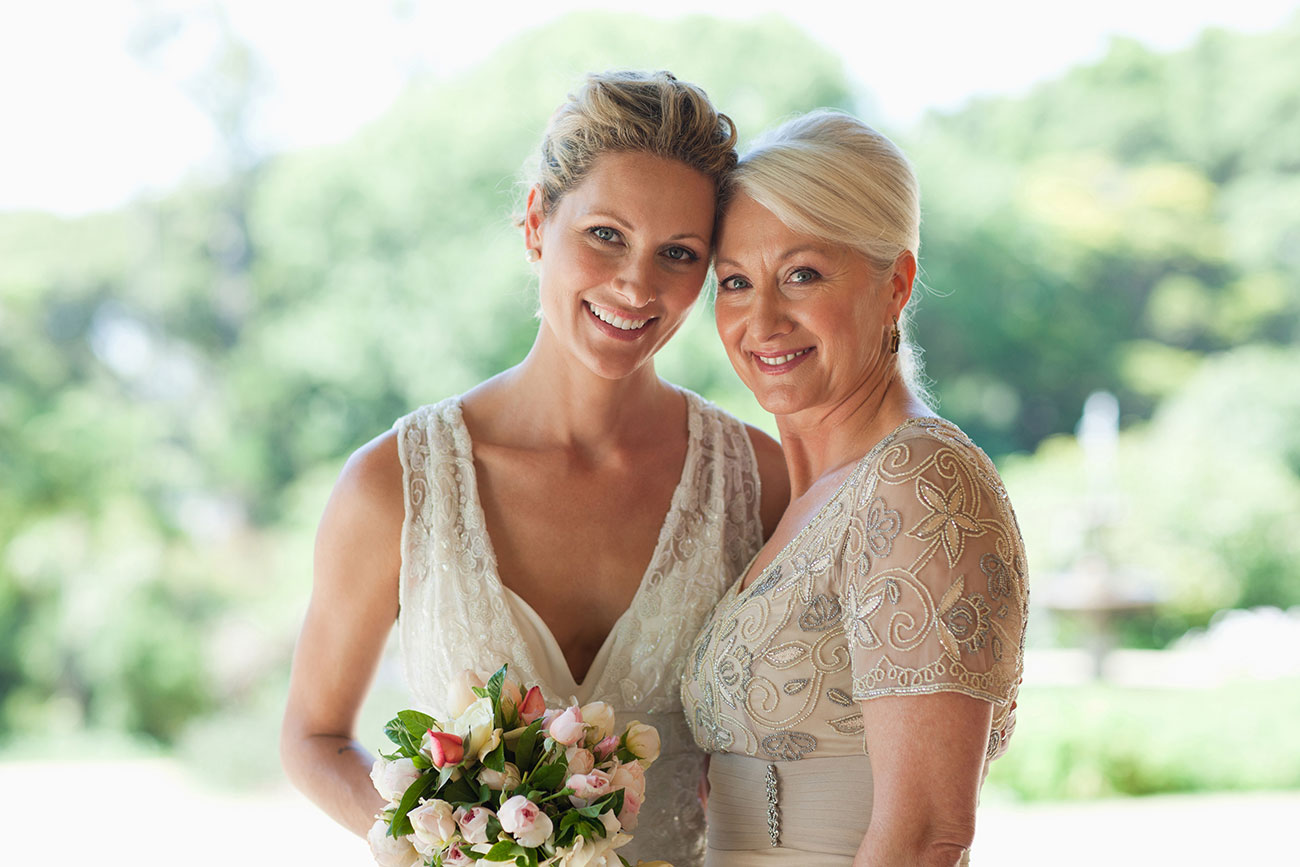
Usually reserved for a female figure such as a mum, aunt, grandmother or close family friend, the mothers of the bride and groom tend be involved in the planning, particularly with organising and hosting family gatherings, as well as emotional support both before and on the day. They might want to assist with food tastings and flower consultations, be involved in the dress shopping, help the bride to get ready on the day and mingle with guests before and after the ceremony. They can be as involved as much or as little as you both like, from travelling to the venue with the bride to walking down the aisle and making a toast or speech.
Father of the Bride/Groom
The father (or fatherly figure) of the bride lends further support and traditionally carries out several pivotal roles, including walking the bride down the aisle, making a speech and partaking in the father-daughter dance. Depending on the nature of your relationship and how much they want to be involved, the father of the groom can enact any of these roles, and tends to support the mother of the groom with hosting, welcoming guests, planning duties and will also often make a speech or toast.
iStock/wundervisuals
Flower Girl and Pageboy
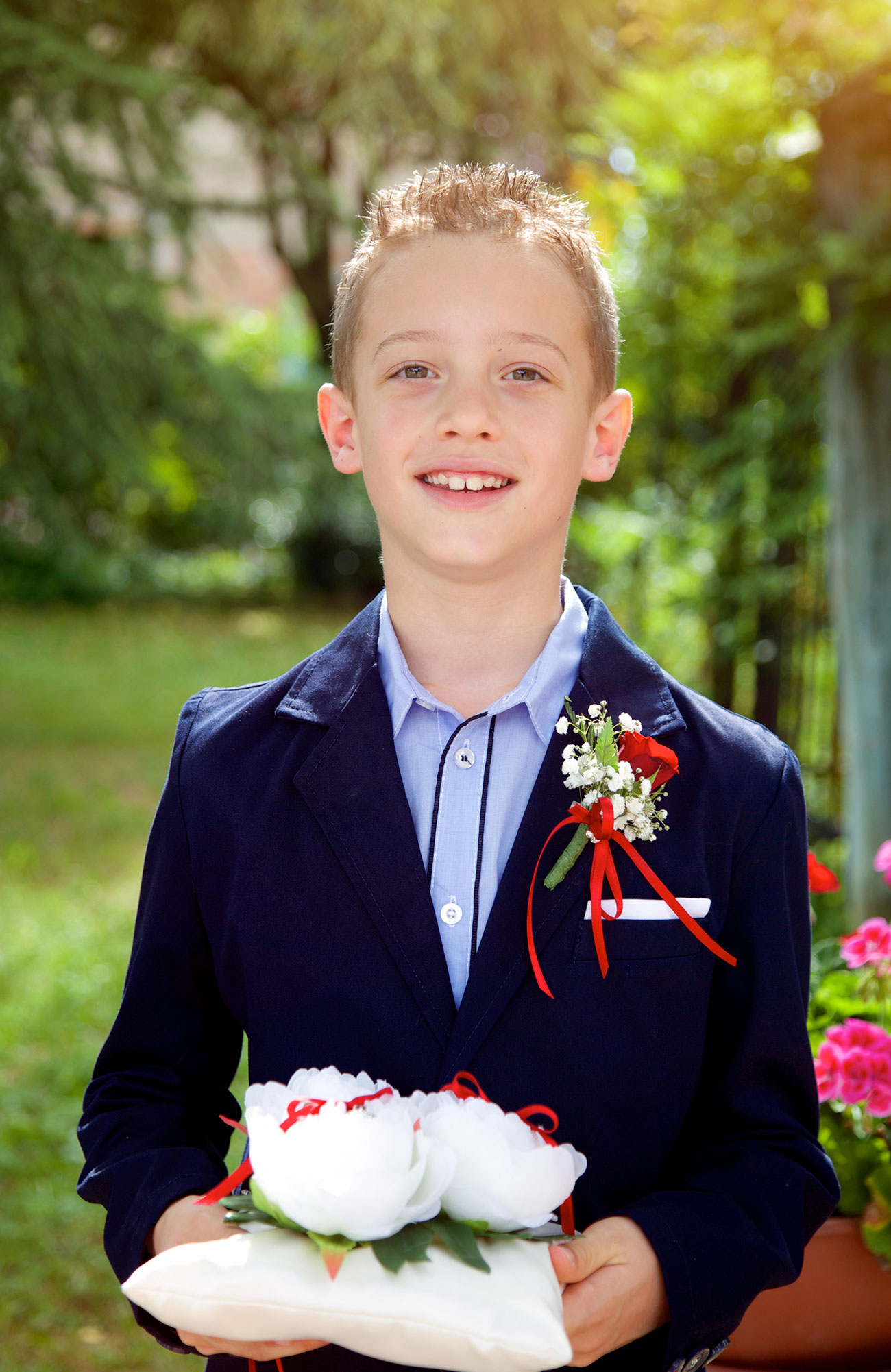
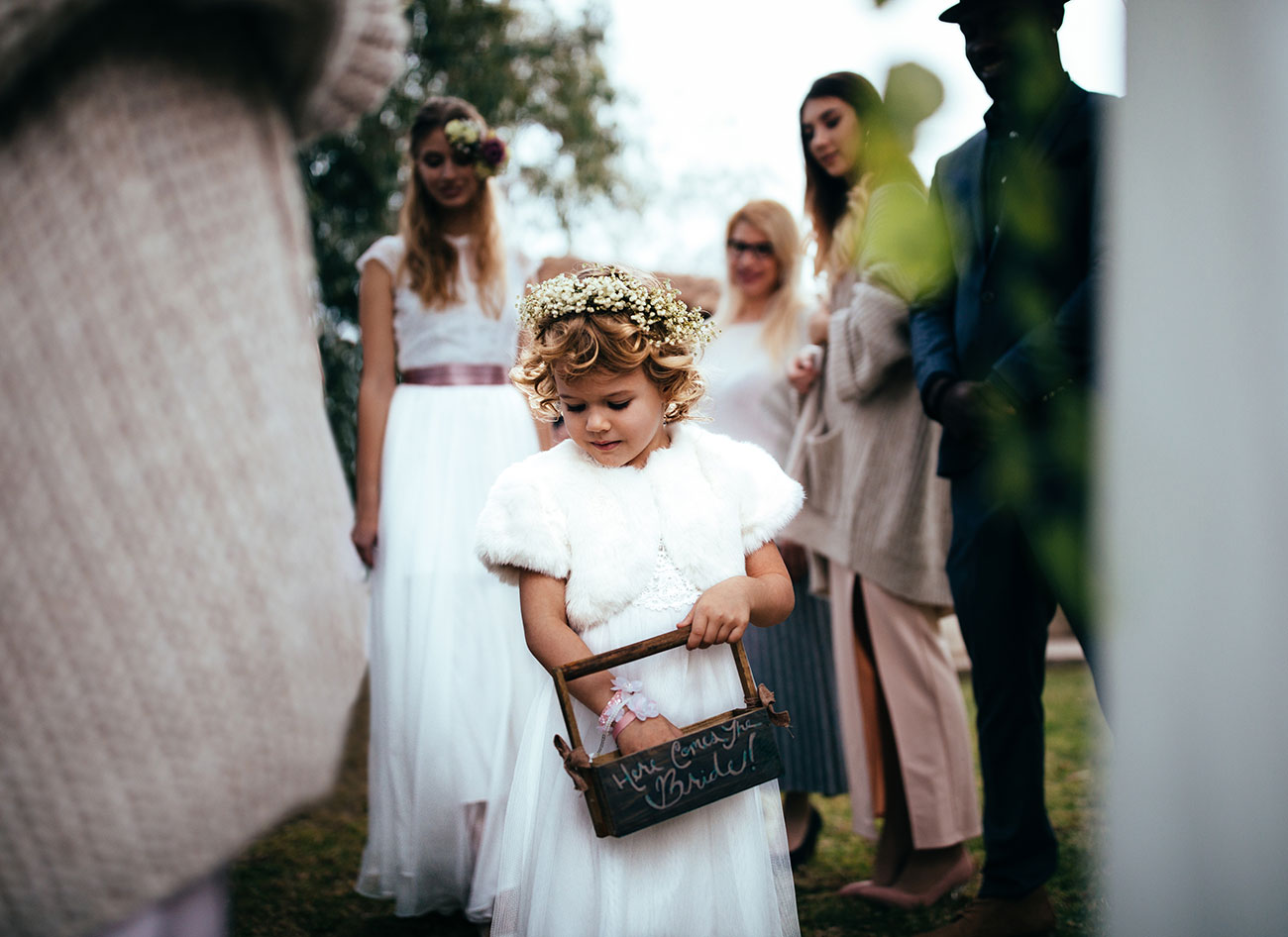
The flower girl and pageboy tend to be young family members or children of a close friend. You can have one or as many as you like, depending on the size of your wedding party. It’s less common today but the traditional role of the flower girls is to walk down the aisle ahead of the bride scattering confetti, with the pageboy walking alongside her (who you might also choose to be the ring-bearer).
Ring-bearer
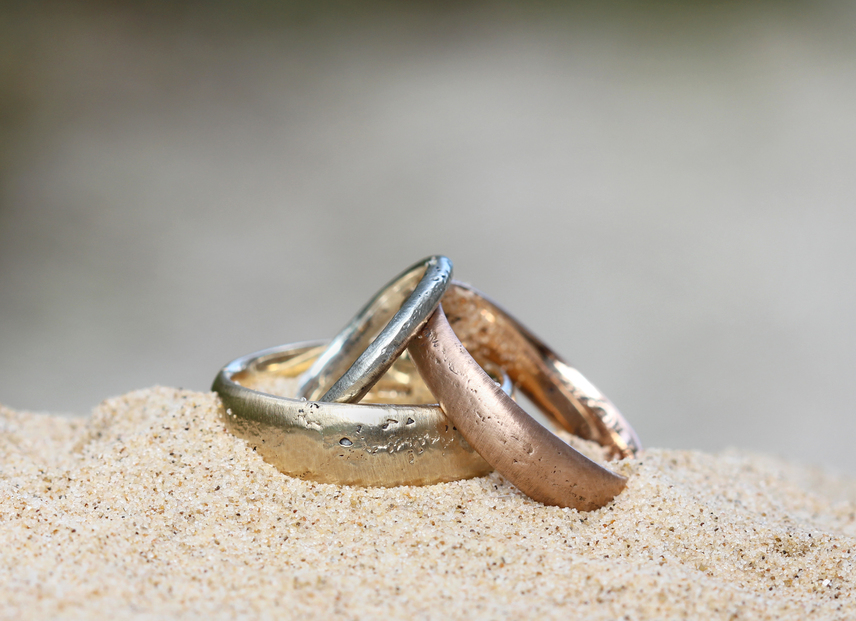
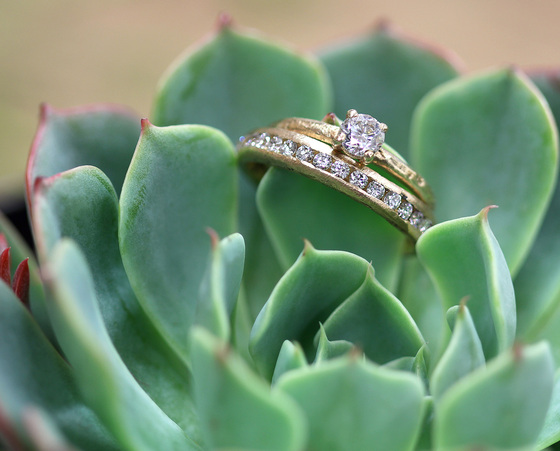
This is the person who carries the rings and delivers them to the couple at the end of the aisle. This is usually via a pillow, but why not mix it up with a unique mode of transportation such as with a poignant book, vintage music box, giant seashell, personalised briefcase or bespoke trinket dish? While traditionally a pageboy, the ring-bearer doesn’t have to be human. An increasing number of couples are opting to incorporate their pets as ring-bearers, with cats and dogs wearing special collars that the rings are carefully attached to. Alternatively, you might want to plump for a more exotic or showstopping ring-bearer by hiring an owl, alpaca or pony for the honours (just remember to ask permission from your venue first!)
.jpg)
Grace Elizabeth Photography
words Hannah May
Header image Freeformimages Photography
.jpg)
.jpg)
.jpg)
.jpg)