
Wedding transport can seem like a minor detail right up until the final few weeks. Guests need to get from their hotels to the ceremony, on to the reception, and often back again late at night. Leave the planning too late and you could find yourself fielding dozens of messages, chasing taxi firms and wondering whether everyone will actually turn up on time.
The best place to start is with the journey your guests will make across the day. If you’re arranging vehicles yourself, it helps to compare coaches, minibuses, taxis and private hire cars, and even affordable car leasing options, so you can see what fits your budget and schedule best. Whichever you choose, treat transport as part of the wedding day timeline rather than an afterthought, and the rest of the day will run far more smoothly.
Map Out the Main Locations
Begin with a clear list of every location involved in the day. This may include the ceremony venue, reception venue, hotels, train stations, airports, car parks, and any meeting points for guests travelling together.
Check the distance between each place and how long the journey usually takes. Then add extra time for traffic, parking, walking from drop-off points, and guests who may be running late. A journey that looks like 20 minutes on a map could easily take 35 minutes on a busy Saturday afternoon.
Work Out Who Actually Needs Transport
Not every guest will need help getting around. Some will drive, others may stay at the venue, and some may prefer to arrange their own taxis. Before booking anything, ask guests whether they need transport.
You can include a simple question on your RSVP form, such as: “Will you require transport between the hotel and venue?” This gives you a realistic number to work with and prevents you from paying for empty seats.
It is also worth identifying guests who may need extra support, such as elderly relatives, people with mobility issues, parents with young children, or anyone unfamiliar with the area.
Choose the Right Type of Transport
Once you know your numbers, you can decide what type of wedding transport works best. Coaches are practical for large groups and can be cost-effective when moving guests between one hotel and one venue. Minibuses are useful for smaller groups or staggered journeys.
For a more formal feel, private cars may suit close family members or the wedding party. Taxis can work well for flexible return journeys, especially if guests are leaving at different times. If the venue is remote, however, do not assume taxis will be readily available late at night.
Create a Clear Transport Schedule
A written transport schedule is essential. Include pick-up locations, departure times, journey durations, arrival times, and return options. Share this information well in advance so guests know exactly where they need to be and when.
Avoid making the final pick-up time too close to the ceremony. Guests should arrive with time to find their seats, visit the toilet, and settle in. For return journeys, consider offering two or three departure times, such as one after the first dance and another at the end of the evening.
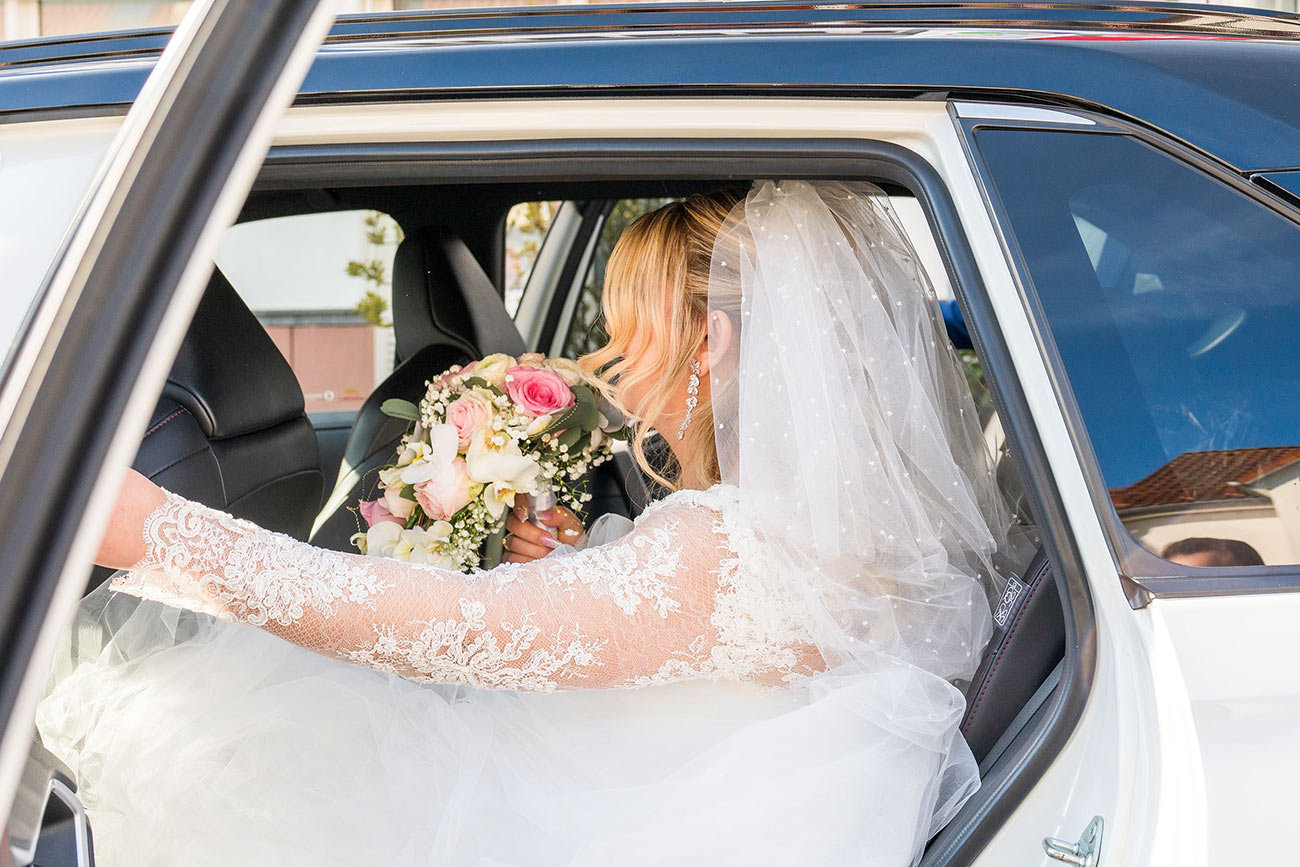
Communicate the Details Early
Transport plans only work if guests understand them. Add the details to your wedding website, invitation insert, or information sheet. A short message one week before the wedding is also helpful, especially for guests staying in hotels.
Be specific. Instead of saying “transport will be provided from the hotel”, say “the coach will leave from the main entrance of The Crown Hotel at 1:15pm sharp”. Clear instructions reduce confusion and last-minute phone calls.
Confirm Everything With Suppliers
A week or two before the wedding, confirm every booking in writing. Check the date, times, addresses, passenger numbers, vehicle size, driver contact details, and payment arrangements.
Send suppliers a copy of the running order and make sure they know about any access restrictions, narrow lanes, parking rules, or venue gates. If your wedding is in the countryside, provide precise directions rather than relying only on postcodes.
Appoint a Transport Helper
On the day itself, you should not be managing buses or directing guests. Ask a trusted friend, usher, bridesmaid, or family member to act as the transport contact.
Give them the schedule, supplier numbers, and a guest list for each vehicle. This person can check that everyone is on board, answer questions, and contact the driver if needed. It removes pressure from you and keeps the day running smoothly.
Plan for Delays
Even the best schedule can be affected by traffic, weather, or guests taking longer than expected. Build in buffer time wherever possible. If you are moving a large group, allow more time than you think you need.
Have a backup plan too. Keep local taxi numbers handy, identify nearby parking, and make sure someone has access to supplier contact details. A little preparation can prevent a small delay from becoming a major problem.
Keep It Simple
The easiest wedding transport plans are usually the simplest. Limit the number of pick-up points, avoid complicated routes, and keep guests informed. With early planning, clear communication, and reliable suppliers, you can make sure everyone arrives relaxed, on time, and ready to celebrate.