Here's a heads-up on the top five planning pitfalls so you can avoid them from the get-go...
Ah...the newly engaged. That loved-up breed of infectiously excitable creature toward whom the terms 'high maintenance' and 'bridezilla' haven't yet been muttered. Where the whirlwind of wedding planning is more the fairytale stuff of dreams than a nightmare-inducing list of 'to dos'.
You may be one of the lucky few who preserves this state of eager calm throughout the entire run-up to W-day, but most mortals will stumble at a few of the hurdles presented by the pre-wedding period. From being double booked by the band and seriously overspending on the chair covers to running out of wine and forgetting the favours - a world of potential hiccups awaits.
But don't panic. We've asked the experts for their advice on how to successfully mitigate the most common planning pitfalls in order to plan your way to wedded perfection (or close enough, at least!)
Budget bust-ups
Money and weddings are one of the most contentious couplings of them all.
Whether the problem is sticking to a strict budget, discouraging people to dedicate half their annual earnings to the marital cause (always the source of awkward exchanges of some kind) or keeping an accurate tally of expenditure - money continues to sit at the top of the potential pitfall list.
"The money spent on a wedding can easily get out of control and couples can get carried away planning a wedding they can't actually afford," outlines Jenny Phipps from Jenny Wren Weddings and Events (jennywrenweddingsandevents.co.uk).
Most couples end up dipping into the reserve fund or borrowing some extra cash from their closest in order to make ends meet. If the terms are mutually agreed upon and no one is pressurising anyone either way - and it's entirely reimbursable - then that's part of the problem solved. But if you find yourself taking out a bevy of loans and credit cards to cover the cost, then stop - and think very carefully.
"Before you even pick up a wedding magazine, figure out what budget you have for your day," advises Jenny. "No decisions can be made until you know how much money you have to work with. Seriously think about what your limit is and speak to family members early on about what they may contribute. It is likely to feel awkward to bring up but it is important to do before you begin so you can then make plans for your day that are within your budget."
"Once you have added any contributions from family, allocate it sensibly to all of the elements (venue, dress, flowers etc). If you have a wedding planner they will be able to guide you on this - or there are many tools online that can help too," advises Jenny. "Remember to leave 10% for contingency and changes. Create an Excel spreadsheet with two columns - predicted and actual - to keep track of everything that has been spent."
"Determine your budget early on, but be realistic," says wedding planner, Claudia Montano (claudiamontano.co.uk). "Do a little research, make calls, ask for quotes. Tell the suppliers you're interested in that you aren't sure what to expect price-wise; they'll be honest with you. Then re-look at your budget, decide what's most important to you and where you want to spend the bulk of it."
Be my guest!
The guest list is another top contender when it comes to both familial fall-outs and headache-inducing hassle. "With the excitement of getting engaged, you will probably want to tell everyone you know and invite them all! However, the guest list can spin out of control easily and add a lot of expense to the wedding as it does," says Jenny. "It is important to keep on top of it from the start. Firstly, simply think about how many you can realistically accommodate at your venue and how many you can afford to have there. Once you have these numbers then sit down together and begin drawing up your list."
"I suggest separating it into three categories: people who you could not bear not being there, the people who you would really like to attend - but not critical, and the people whom you would enjoy having but could eliminate if necessary," she continues. "Lots of people are likely to have an opinion on who you should and shouldn't invite - listen and consider their say, but always keep in mind your own desires first and foremost."
"Be firm but fair with the guest list. If you haven't seen or spoken to people in the last five years, or they're your parents' neighbours, then they don't really need to be there," asserts Claudia. "Make sure the people most important to you are on your list first. It's your wedding, and it should be filled with people you know and love."
"You may also find that, once people have received their invitation, some may ask if they can bring extra people. An easy way to ensure clarity on how many the invitation is for is to add this line: 'We kindly reserve one/two seats in your honour'," suggests Jenny.
Location, location, loca...
You may need to accept the fact that there's a gulf between your dream venue and the reality of what you can afford and what's available. If it's your top priority, then budget accordingly and make cuts elsewhere, sticking to your decisions in order to clinch your ideal location.
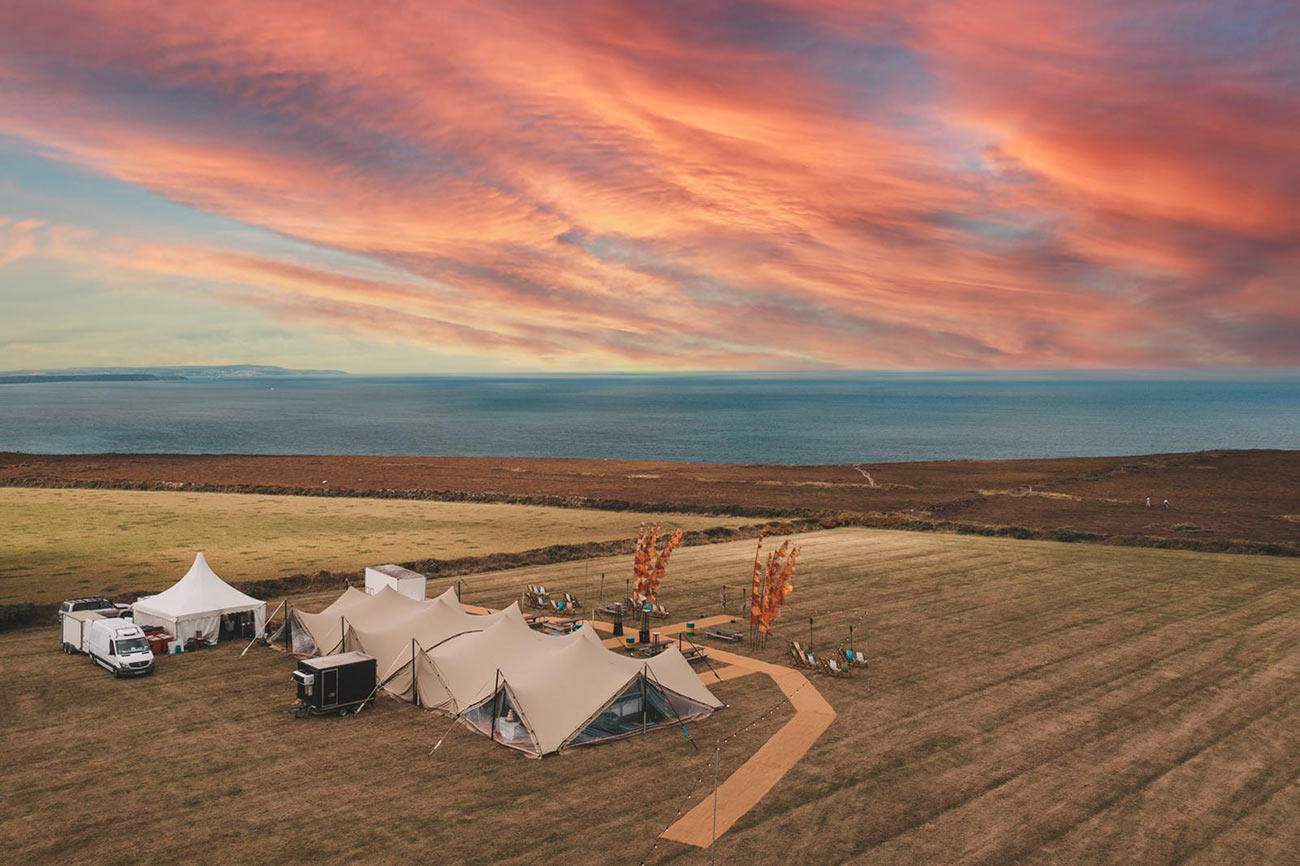
There's a host of things to consider when it comes to choosing a venue. First off - where is it? On a clifftop or smack in the middle of the countryside? What's the accessibility like? How flexibly can it cater to all of your ideas?
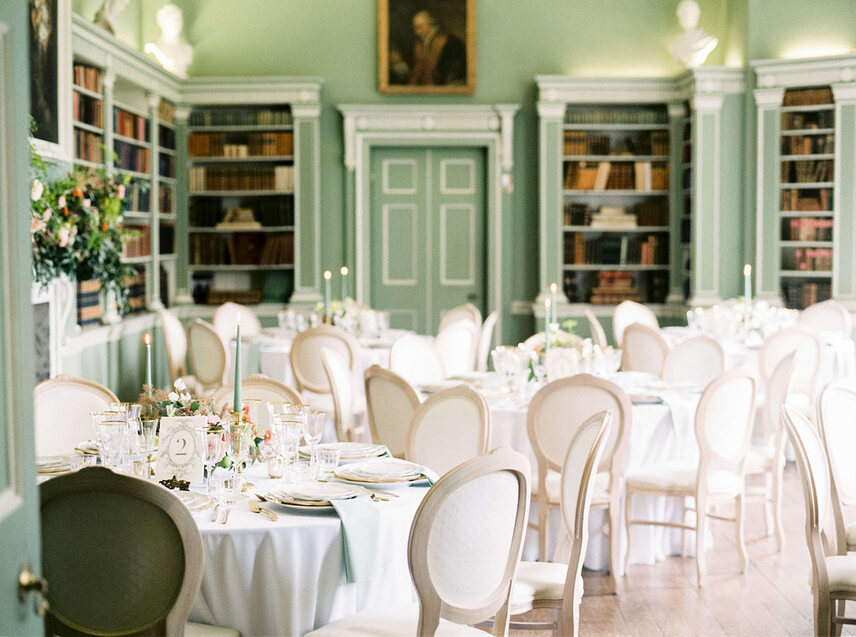
Then there's the ceremony/drinks reception/evening reception spaces, accommodation, use-basis, duration and terms of hire, and what's included in the package - so before you sign on the dotted line, make sure you consider the specifics of what wedding you want and whether it is achievable there.
"If you have overseas guests, it would be advisable to book a venue with a convenient location for airports/train stations to allow for minimum disruption on arrival and departure," advises Tracy Edwards from Blue Fizz Events (bluefizzevents.co.uk). "Make sure taxi arrangements are booked up in advance to allow for guests' comfort to/from the wedding," she adds.
Jenny highlights another often forgotten consideration when it comes to venues: wet weather contingencies. "Ensure you look at the compromises available should the heavens open," she says. "Pretty gardens are lovely but if you can't use them will you be stuck in a stuffy function room or will your venue have somewhere with character to move the party on to? This way you won't pin everything on the sun shining."
The look of love?
Intent on a theme? Let the idea breathe awhile before you dedicate the day to it, announce it to the world and start spending your hard-earned cash on the details.
The look of your wedding is one of the key ways to make it yours, so put together a series of mood boards, Pinterest pages and scrapbooks to help fine-tune your vision.
Creativity and resourcefulness is key. "A fabulous designer look can be created at a fraction of the cost - being creative needn't be a chore if you have lots of willing helpers who would like to make an evening of it," says Tracy. "Just add cake/tea/fizz - upcycle jam jars, create your own bunting and make your own favours."
And while eclecticism and individual character is good, a mishmash of absolutely everything you both love can result in a confused aesthetic. This is where a trusted confidante's opinion or two may help you keep a sense of style perspective.
Remember not to get too carried away by your 'theme', which, if followed to the letter, runs the risk of appearing like a tacky fancy dress event, which doesn't exactly smack of timeless romance or cool ambience, does it?
Timing is everything
"The biggest problem a couple can face is not booking early enough," warns Claudia. "Venues tend to be booked a year or so ahead, and the same rules now apply for photographers, make-up artists, hair stylists and so on. If you love that cake maker, book them!" In short, don't deliberate for too long before making some actual decisions - especially if you're giving yourself a short lead time.
"Save the dates are becoming common in the UK, and they're perfect for making sure you book your guests ahead of time - before they're tied up," adds Claudia. "Send them around the five-eight month mark; while your invitations should be sent closer to the wedding date (think two-three months)."
"If you get overwhelmed by the amount of planning there is to be done then I would break it down and give yourself dates to have things done by," says Jenny. "That way, these milestones will give you a sense of achievement and you will have a clear vision of where you are, what else is to be done, and when you plan to do it."
Once you've successfully itinerated the pre-planning period, apply a similar degree of relaxed organisation to the day itself in order to fully enjoy it. "If you have a wedding planner it will be their job to run things on the day so you don't have to think about it and can just get swept away in the enjoyment of it all," says Jenny. "However, if you don't, then put someone else in charge of the day's itinerary and arm them with all suppliers' contact details just in case there is a problem," she advises.
"The morning can feel like a rush with everyone buzzing around trying to get to the mirror and fighting for the shower, which isn't quite the oasis of calm you envisaged for your wedding morning!" warns Jenny. "Do not schedule the ceremony too early," is her simple remedy. "Allow enough time for yourself and the others to enjoy the morning - that's an important part of the day too."
words Hannah May
Copyright Wed magazine 2016

5 Wedding Planning Pitfalls...And How To Avoid Them
While the journey to 'I do' is full of excitement and anticipation, there's bound to be a few bumps in the road.

Hannah May - Chief Features Writer

Planning your wedding? use our directory to find:
More Bride Articles
.jpg)
Pre-Wedding Wellness Experiences in Cornwall
Restorative experiences designed to help you slow down, switch off and savour the moment
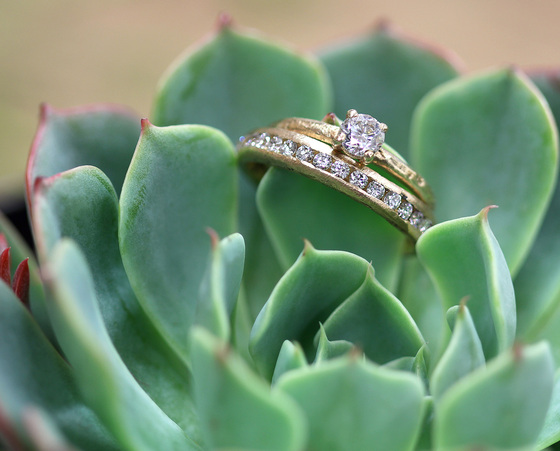
Inspiration for choosing a diamond wedding and engagement ring that feels beautifully your own

Pearls bring a timelessly chic finishing touch to your wedding-day look
.jpg)
Exquisite gowns from this luxe label, exclusively available at Champagne & Charlotte in the South West
.jpg)