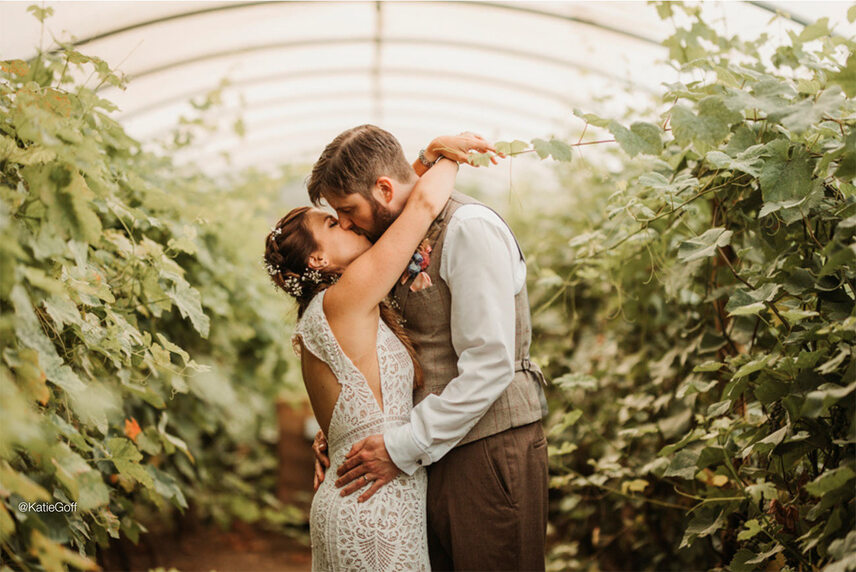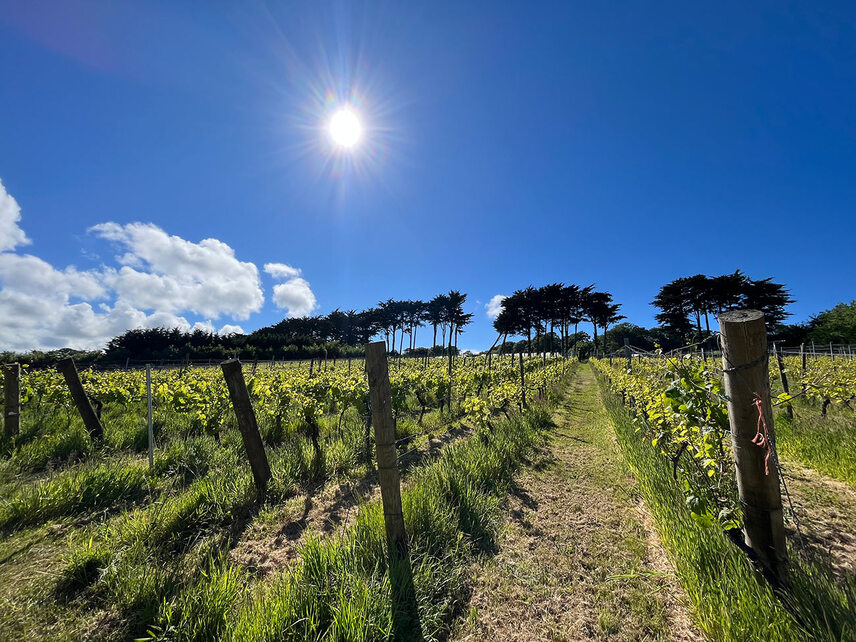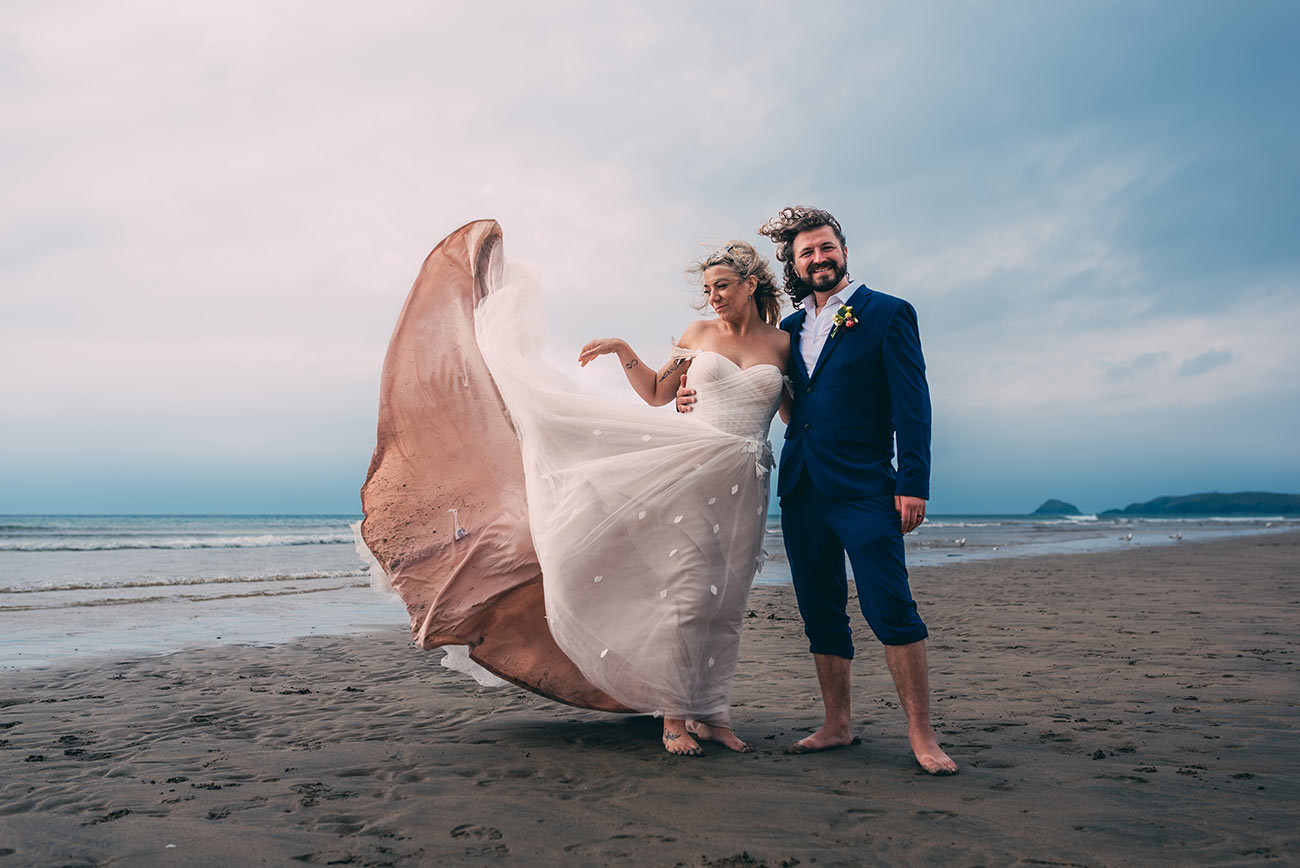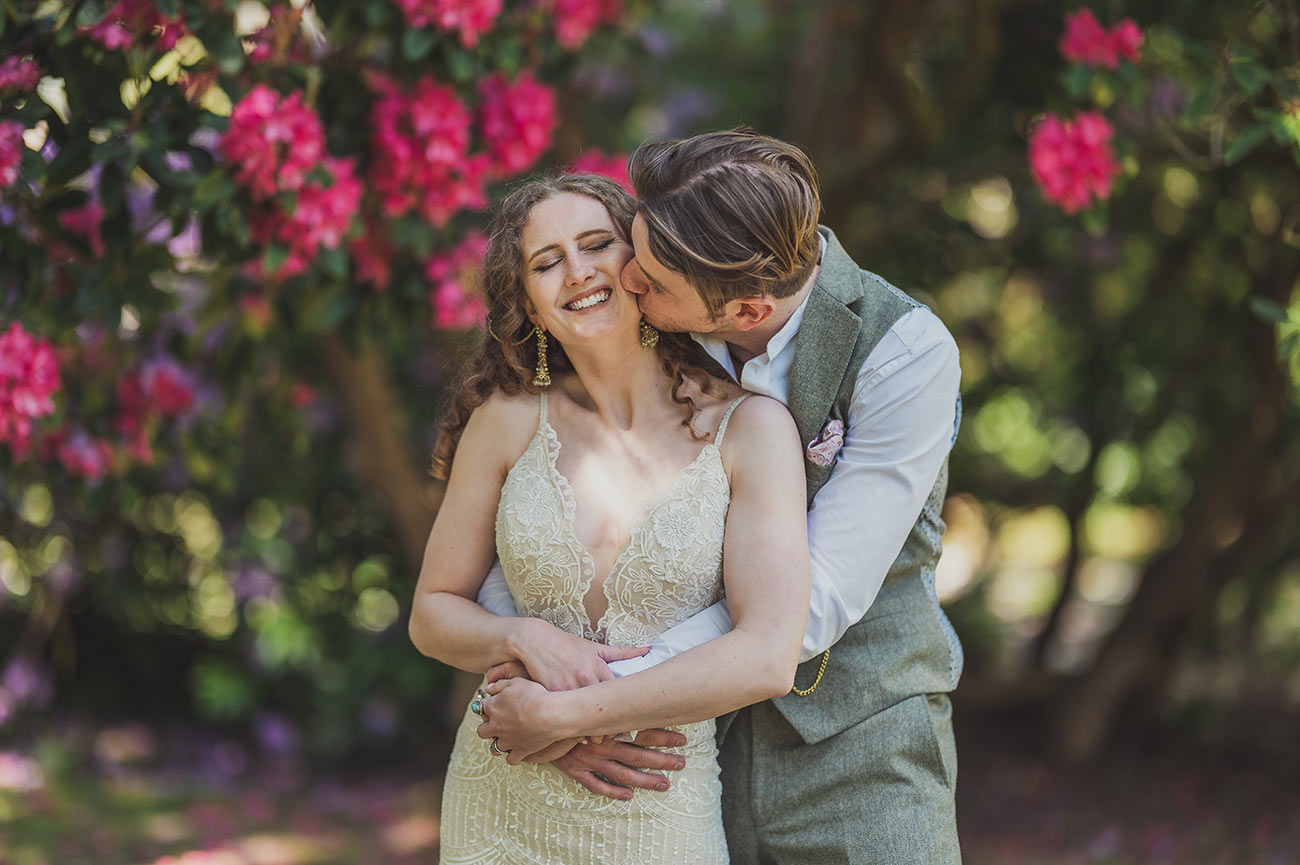
From wildly romantic arrangements to beautifully considered tablescapes, flowers have the power to transform a wedding. For 2026, couples are embracing seasonal blooms, expressive colour and designs with a sense of movement, while sustainability and locally grown flowers are increasingly shaping the way celebrations are styled.
Whether you're planning a country house celebration in Devon, a coastal wedding in Cornwall or an intimate gathering surrounded by the Westcountry landscape, flowers can help set the tone for the entire day. From the bridal bouquet and ceremony backdrop to abundant tablescapes and statement installations, the right floral design will bring your venue, colour palette and personal style together.
When gathering ideas, exploring the work of an experienced floral workshop for events can offer plenty of inspiration for how flowers, foliage, colour and texture can be used to create atmosphere. Then look to a florist familiar with your venue and region, who can translate those ideas into designs that work beautifully with the setting and the flowers available closer to home..
A WILD ROMANCE
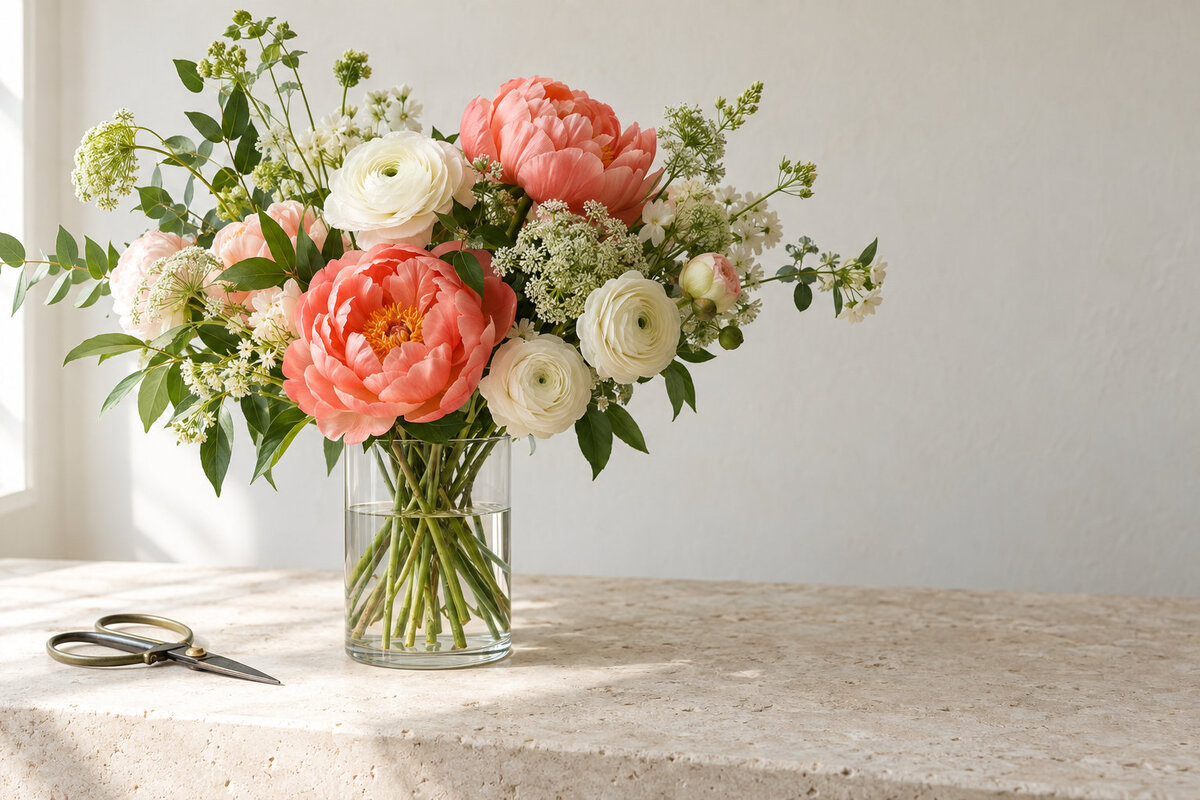
The move towards loose, naturalistic floristry continues into 2026, with arrangements designed to feel as though they've grown organically within their surroundings. Think trailing foliage, delicate stems, grasses and flowers at varying heights, creating movement rather than tightly structured displays.
It's a look particularly suited to the Westcountry, where barns, country houses, gardens and coastal venues provide naturally beautiful backdrops. Rather than competing with the landscape, florals can echo it, drawing colours, textures and seasonal details from the setting itself.
Bouquets are becoming softer and more expressive too. Asymmetrical shapes and trailing stems lend an effortless quality, while carefully chosen statement blooms bring personality and impact.
COLOUR COMES INTO BLOOM
While soft whites and greens will always have their place, 2026 is seeing couples become increasingly confident with colour. Blush and peach remain romantic favourites, but they're being joined by richer shades of plum, berry, rust and burnt rose, alongside fresh pops of yellow, blue and lilac.
Rather than choosing colours in isolation, consider the character of your venue and the season of your wedding. Spring might inspire delicate pastels and fresh greens, while late summer and autumn lend themselves beautifully to warmer, earthier shades.
A limited palette can be every bit as impactful as a riot of colour. Working with different tones of one or two shades allows texture and form to take centre stage and can create a beautifully cohesive look across bouquets, ceremony flowers and tablescapes.
SEASONAL AND SUSTAINABLE
Sustainability continues to influence wedding floristry, with more couples looking towards seasonal and locally grown flowers. Here in Cornwall and Devon, an abundance of flower farms and talented growers means there's plenty of scope to incorporate blooms grown much closer to your wedding venue.
Choosing flowers according to the season doesn't mean compromising on style. In fact, it can give arrangements a stronger sense of place and time, whether that's scented sweet peas in early summer, blowsy dahlias as autumn approaches or sculptural foliage and berries for a winter celebration.
Florists are also finding clever ways to reduce waste, from avoiding floral foam and reusing mechanics to repurposing arrangements throughout the day. Ceremony flowers might move to frame the top table, for example, while aisle arrangements can become part of the evening styling.
MAKE AN IMPACT
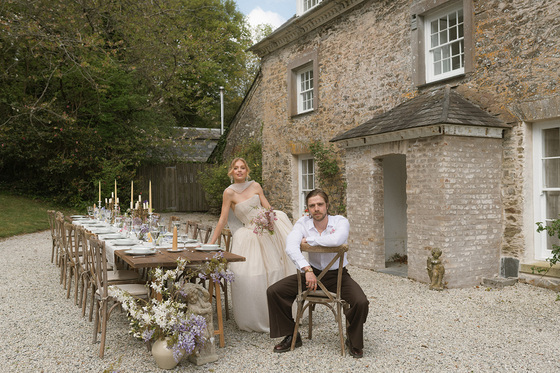
Rather than filling every corner with flowers, consider where they'll make the biggest impression. A statement ceremony installation, abundant entrance arrangement or flower-filled tablescape can become a memorable focal point while allowing other areas to remain beautifully simple.
Scale matters too. Flowers should complement rather than overwhelm a venue, and practical considerations are important. Table arrangements need to allow conversation to flow, while ceremony installations must work with the space and sightlines.
Your florist will also be able to advise on which flowers will cope best with the conditions – particularly important for outdoor ceremonies and marquee weddings, where wind, heat and changing Westcountry weather all need to be considered.
FINDING YOUR FLORIST
Once you've found a florist whose work speaks to you, share more than a Pinterest board. Photographs of your venue, outfits, stationery, fabrics and other details will help them understand the overall mood you're trying to create.
Be open about your budget too. A good florist can advise where your money will have the greatest impact and suggest seasonal alternatives where necessary. Ask about delivery, installation, collection and whether arrangements can be moved between different parts of the celebration.
Most importantly, choose someone whose creative style you love and whose advice you trust. The best wedding flowers shouldn't simply decorate your day – they should feel intrinsically connected to the setting, the season and, most importantly, you.
.jpg)