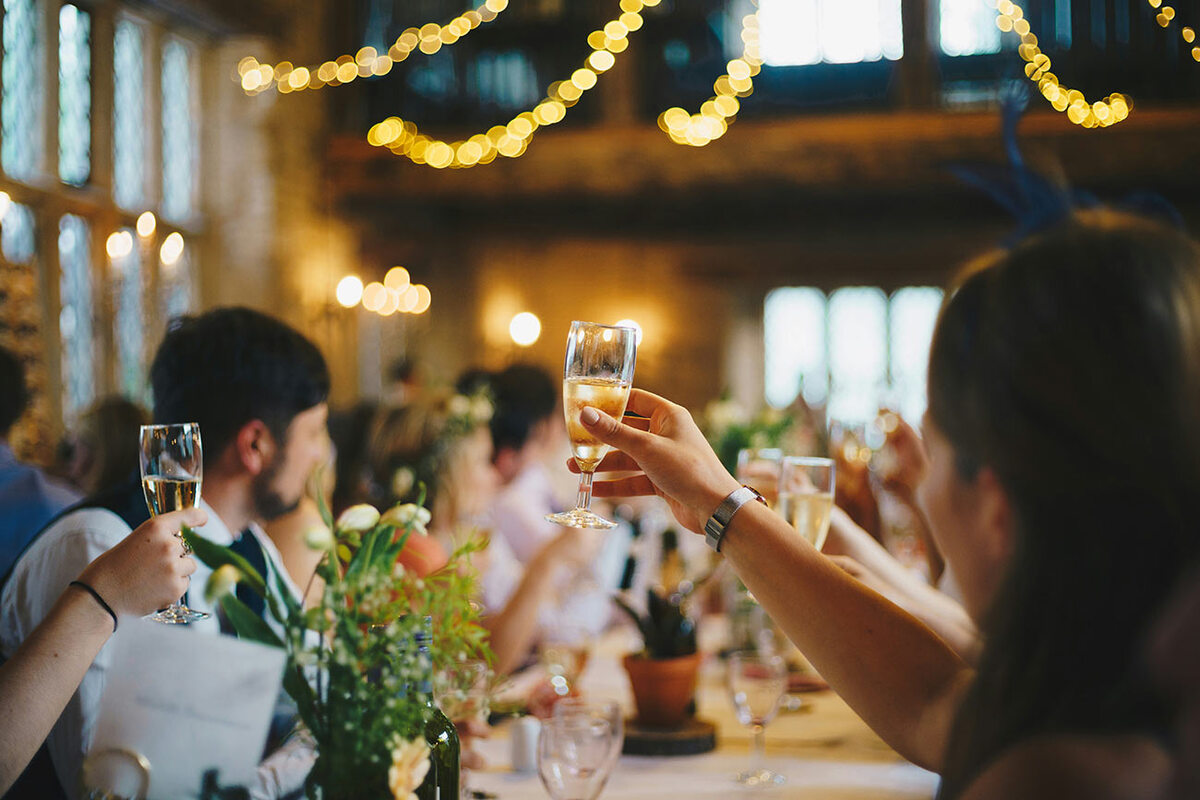
The elegance of Laurent Perrier Champagne is often associated with luxury and sophistication, making it a popular choice for special occasions. However, with so many options available, finding the perfect champagne for your wedding can feel overwhelming. This guide will help you navigate the selection process, ensuring that your guests enjoy every sip.
Why Champagne Matters at a Wedding
Champagne is more than just a drink — it’s a symbol of celebration and joy. The pop of a champagne cork marks the beginning of a new chapter, making it a memorable moment for you and your guests. The right champagne sets the tone for the event, adding a touch of class and excitement. It’s not just about taste; it’s about creating an atmosphere of elegance and happiness.
Understanding the Types of Champagne
Before choosing a champagne, it’s helpful to understand the different types available. Champagne is classified based on sweetness levels and grape varieties used in production. Here are the main types to consider:
Brut Champagne
Brut is the most popular style for weddings. It’s dry, crisp, and pairs well with most foods. Its balanced flavour makes it a versatile choice for both the toast and the reception. Laurent Perrier Brut, for example, is known for its fresh, citrusy notes and elegant finish.
Extra Brut
If you prefer an even drier option, Extra Brut is worth considering. It has less sugar, resulting in a sharper taste. This style suits couples who enjoy a cleaner, more refined flavour profile.
Blanc de Blancs
Made entirely from Chardonnay grapes, Blanc de Blancs is known for its light, delicate character. It’s a great choice if you want a champagne that feels fresh and crisp. Its subtle floral and citrus notes pair beautifully with seafood and light appetisers.
Blanc de Noirs
Produced from Pinot Noir and Pinot Meunier grapes, Blanc de Noirs has a richer, more robust flavour. It offers red fruit notes and a fuller body, making it ideal for heartier dishes or cooler weather.
Rosé Champagne
Rosé champagne adds a touch of romance to any wedding. Its pink hue and fruity notes make it a crowd-pleaser. Laurent Perrier Rosé is renowned for its vibrant strawberry and raspberry flavours, making it a perfect choice for dessert pairings.
How Much Champagne Do You Need?
A common rule is to plan for about one glass of champagne per guest for the toast. If you’re serving champagne throughout the reception, expect to need half a bottle per guest. A standard bottle contains around six glasses, so for a wedding of 100 guests, you’ll need roughly 17 bottles for the toast alone.
If you want champagne to flow freely all evening, consider buying extra cases to avoid running out. Some suppliers offer discounts for bulk orders, which can help manage costs.
Choosing the Right Champagne for Your Budget
Champagne doesn’t have to break the bank. While prestige brands like Dom Pérignon and Krug are tempting, there are many excellent mid-range options available. Laurent Perrier, for instance, offers a range of champagnes that balance quality and price.
Consider mixing different types to suit various tastes. Serve a more affordable Brut for general drinking and save a premium vintage for the toast. This way, you can provide a luxurious experience without overspending.
Pairing Champagne with Your Wedding Menu
Pairing champagne with food enhances both the drink and the meal. Brut and Extra Brut complement salty and savoury dishes, while Blanc de Blancs works well with seafood and light canapés. Rosé pairs beautifully with desserts and fruit-based dishes.
For a unique touch, consider a champagne and cheese pairing station. Soft cheeses like Brie and triple cream work well with Blanc de Blancs, while aged cheddar and gouda complement the richness of Blanc de Noirs.
Serving Tips for the Best Experience
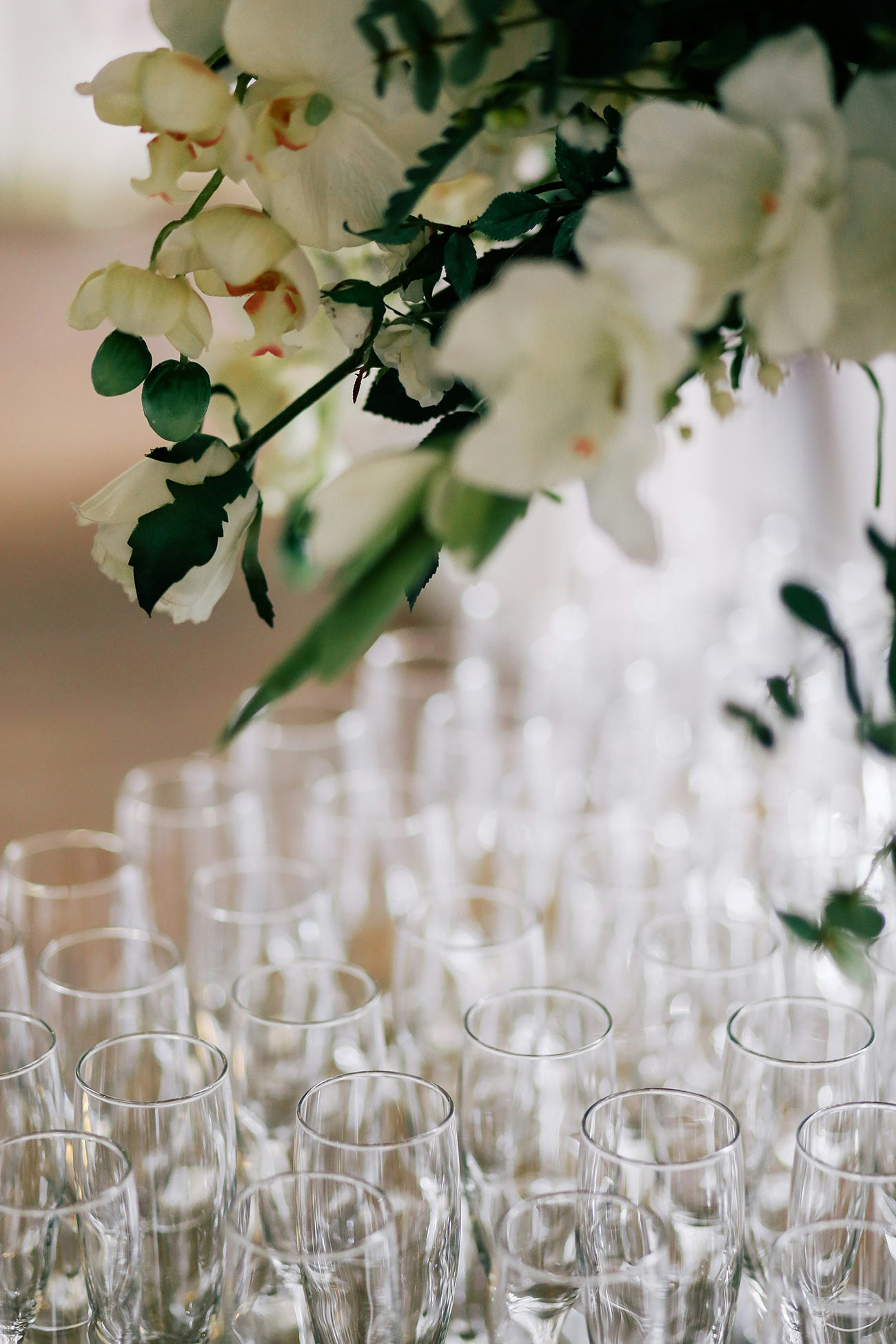
To serve champagne at its best, keep it chilled at around 7°C to 9°C. Avoid putting bottles in the freezer, as this can alter the flavour. Use tall, narrow flutes to preserve the bubbles and concentrate the aroma.
During the toast, pour the champagne slowly to avoid excessive foam. Keep bottles in an ice bucket nearby so guests can easily top up their glasses

.jpg)
.jpg)
.jpg)
.jpg)