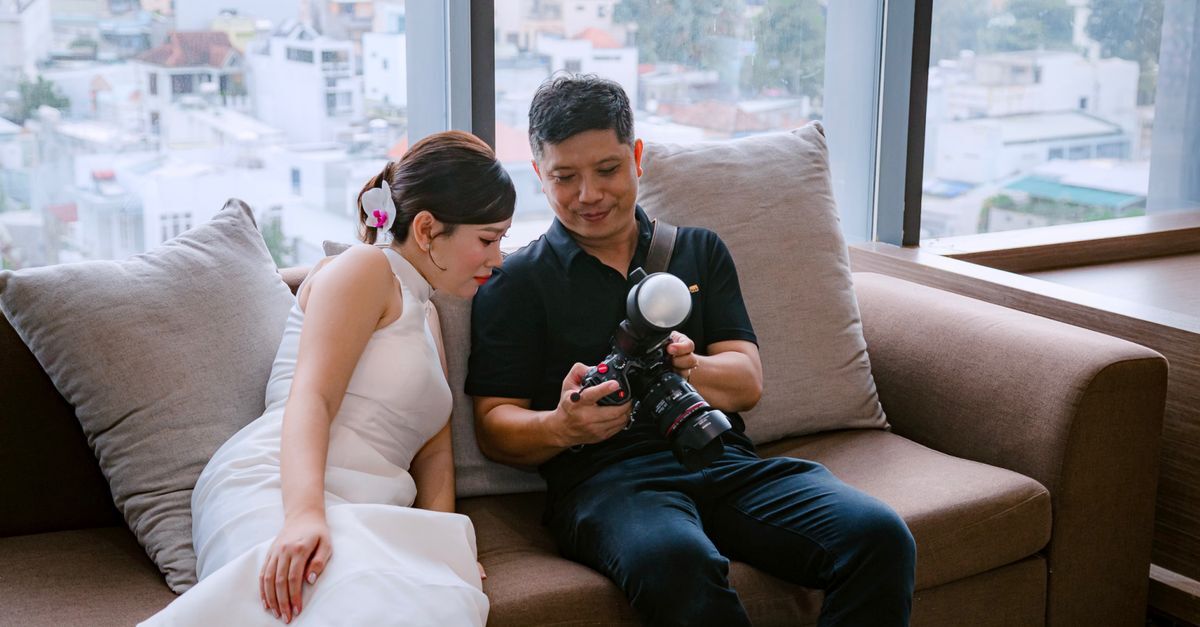
What to ask before you book:
Once the flowers have faded and the cake has been eaten, your photographs and film are among the things that let you return to your wedding day. Choosing the people who make them deserves more thought than a quick scroll through a highlight reel. Whether you are planning a celebration in Cornwall, Devon or elsewhere in the UK, the useful questions are much the same: can these suppliers document a whole day well, do you feel at ease with them, and will their way of working suit your plans?
Look at full weddings, not just highlights
A portfolio is designed to make a strong first impression. A few striking portraits or a short film montage can tell you whether you are drawn to someone’s style, but they cannot show how that style holds up from morning preparations to the last parts of the celebration. One of the most revealing questions to ask a wedding photographer is whether you can see at least two complete wedding galleries, from start to finish. Browse them as you would your own finished photographs, rather than skipping straight to the most dramatic images.
Notice what happens when the light changes. Are people photographed naturally indoors as well as outside? Do group pictures feel considered, and are the quieter moments given as much care as the portraits? Look for a sequence that helps you recognise the shape of the day. A gallery does not need every frame to be a showpiece; it should leave you confident that the photographer can make meaningful pictures throughout the coverage you want.
If you are booking film too, watch a complete example of a finished wedding film, not only a teaser. Pay attention to pacing, sound and the balance between big moments and small interactions. The question is not whether someone can assemble an exciting minute of footage, but whether you would enjoy returning to the finished work years later. Seeing more than one complete example also helps you distinguish a consistent approach from one particularly fortunate set of circumstances.
Style, and the people behind it
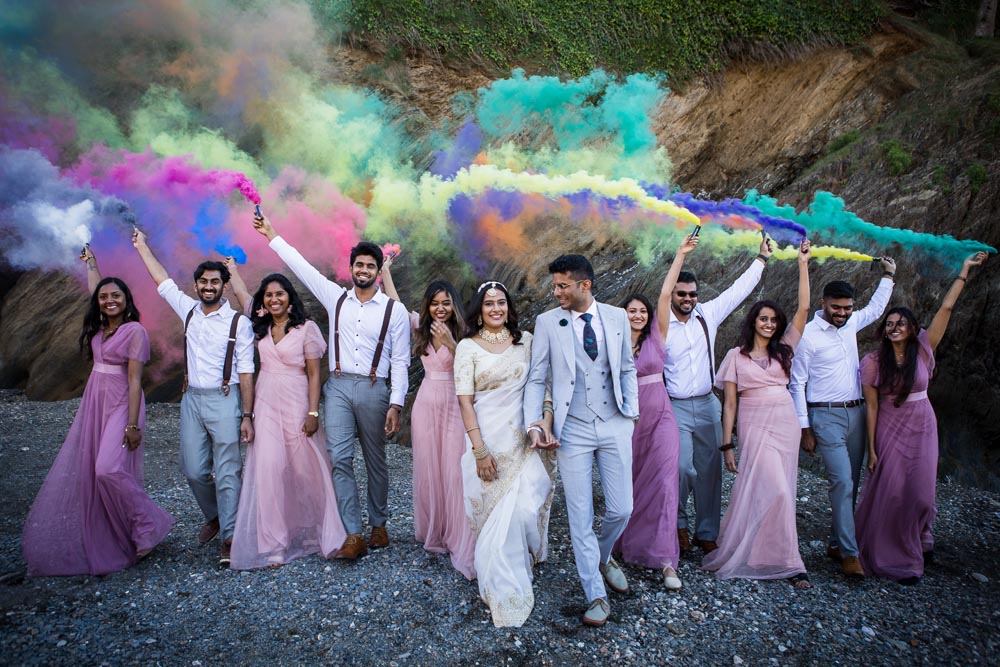
There is no single look that every couple should want. Some prefer traditional portraits and a film with long, slow-motion passages; others respond to energetic, vibrant work that moves quickly through the day. Documentary images, carefully directed portraits and films with different rhythms can all be appealing. Rather than trying to choose the style you think a wedding ought to have, notice which work prompts an immediate response from you both. If you have to persuade yourselves to like it, keep looking.
Warren and Sharon, the husband-and-wife team behind Storytale Weddings, bring 16 years in the business and experience of more than 350 weddings to their shared advice. They provide photography and film as one team, yet their first recommendation is about the couple’s response to the work and the people making it. “Only shortlist the work that makes you feel something straight away. Then meet them, face to face or online, and see if you like their vibe. You need to feel comfortable with these people around you on the day.”
That meeting is more than a formality. Your photographer and videographer may be close by while you get ready, move through a crowded room and spend time with the people closest to you. Talk about how much direction you would welcome for portraits and when you would rather be left to enjoy the moment. Ask how they approach a couple who feel awkward in front of a camera. Listen for answers that make you feel understood, rather than assuming a beautiful portfolio guarantees an easy working relationship.
Four questions to ask before you book
Once you have a shortlist, ask each supplier the same four questions. Their answers will make it easier to compare what you will receive, how they work and what happens if something goes wrong. Ask for the important details in writing so you can return to them when you review a quote or agreement.
-
Can I see at least two full wedding galleries? This gives you a fairer view of consistency than selected favourites. If you are also considering film, request complete examples of the finished films and ask what a typical delivery includes. Compare the work across entire days, rather than choosing between two especially memorable portraits or trailers.
-
Are there any hidden fees before I receive my full-resolution images and film? Ask what files are included, how they will be delivered and whether anything you expect to receive involves an additional charge. Check that the written description of the finished film matches what you have discussed. Clarity before booking is easier than trying to resolve different expectations afterwards.
-
What is your backup plan if you are ill or cannot attend? Find out how you would be told, who would take over and how that person would receive the information needed to cover your day. You are looking for a practical plan, not a promise that illness or disruption could never happen.
-
What backup equipment do you bring? Equipment can fail even when it has been carefully prepared. Ask what happens if a camera body or lens stops working during the wedding, and whether everyone shooting has access to a suitable spare.
Warren and Sharon put particular weight on the final two questions: “Ask what happens if they're ill. Then ask what backup kit they bring. The answer should be at least one spare professional camera body and lens for every person shooting.” You can ask the same questions whether you are considering one person, a larger team or separate photography and film suppliers. A clear, specific answer is more useful than general reassurance.
Booking photography and film separately: what to know
Choosing a photographer and a videographer from different companies can work well, particularly if you feel strongly about each person’s work. It also means making two choices about style, two sets of plans and two working relationships. Neither supplier can simply disappear into the background for every important moment: both need a position from which to capture it, and both may need a little time with you during the day.
“With two separate companies you've got two voices on the day, and both of them need to get their job done. That's two lots of planning before the wedding, two editing styles that might not sit comfortably side by side, and a much bigger chance of someone standing in the other's shot,” say Warren and Sharon. Their point is worth considering when you look beyond the individual portfolios. A warm, understated gallery and a fast-paced, highly stylised film might both appeal separately, yet feel quite different when you revisit them together.
Planning can make the practical side easier. Tell each supplier who else you intend to book and ask how they prefer to work alongside the other. Who takes the lead when group photographs are being organised? How will they agree positions for the ceremony and speeches without obstructing each other or your guests? If you have moments that particularly matter to you, share those priorities with both companies rather than assuming one conversation will reach everyone. Separate bookings need not produce competing directions or missed shots, but cooperation is much easier when it is discussed before the day.
When one team for both makes sense
A combined photography-and-film team may appeal if you would rather have one planning conversation about the visual record of your day, or if you want the two finished pieces to feel closely related. People who regularly work together may already know how to share space and anticipate one another’s movements. That can be helpful, but the label “one team” is not, by itself, a reason to book. You still need to understand who will actually photograph and film your wedding, how they divide the work and how they handle moments when both cameras need a clear view.
Ask to see a full photo gallery and a complete finished film from the same wedding. That pairing tells you more than a gallery from one celebration beside a film from another. Are both pieces strong throughout? Do they convey a similar sense of the people and atmosphere, even though photographs and moving images do different things? Look at how each handles the parts of the day that matter most to you. Ask about illness and equipment backup here too: booking one company does not make those questions less important.
The choice is not a contest with a universal winner. Two separate specialists may be exactly right for a couple who love each person’s work and are happy to coordinate them. One team may suit a couple who values a shared approach. In either case, judge the actual work and the people who will be present, rather than relying on the booking arrangement to do that work for you.
A practical next step
Before sending an enquiry, each of you could choose the examples you genuinely want to watch again, then compare notes. Request at least two full galleries from the people on your shortlist and complete film examples where relevant. Meet the suppliers you can picture spending the day with, and put the four questions to each of them.
Finally, read the written details against the answers you received. Check what will be delivered, whether any additional fees apply, what the backup arrangements are and, if you are booking separately, how the photographer and videographer plan to work together. The right choice is the one whose work moves you, whose company puts you at ease and whose plans make sense for your day.
.jpg)