 The problem with a family diamond is that it arrives with conditions attached. The stone is old; it has been worn for 40 or 60 years, its proportions belong to a different era of cutting, and several relatives have opinions about what should happen to it. None of that appears in the fantasy version, where a grandmother's stone drops neatly into a modern setting, and everyone approves.
Condition Assessment Before Any Design Work
The first appointment is an inspection, not a design conversation. A jeweler pulls the stone from its old mounting under magnification and checks the girdle, the culet, and the edges for chips, since decades of wear leave damage that the old setting was hiding.
A chipped girdle changes everything that follows. Pressure from prongs on a damaged edge can split a stone during setting, so a jeweler who finds one will recommend a bezel that covers the damaged area, or decline the job until the stone is repaired. Buyers who skip this step and order a setting first end up paying for a mounting the stone cannot safely occupy.
Antique Cuts in Modern Mountings
Most family stones from before the 1950s are old European or old mine cuts. They have small tables, high crowns, large open culets, and hand-finished facets that are rarely symmetrical, and the look under light is broad flashes of fire, unlike the fine sparkle of a modern brilliant.
That optical character determines which settings work. A stone with a high crown needs a taller basket than a modern brilliant of the same diameter, and modern melee set alongside an antique stone will look brighter and whiter than the center, which is why many jewelers use antique cut side stones or reduce the accent stones to almost nothing.
The Recut Question
Recutting an old stone improves symmetry and removes chips at a cost in weight, usually between 10% and 30%. A 1.20 carat old European cut can come back at 0.90 with better proportions and a modern grading report, and the owner has to decide which of those two objects they want.
The usual advice runs against recutting. A stone that would lose little weight is already well proportioned and needs no work, and a stone that would lose a great deal is being converted into a different object with a family history attached to the part that was polished away. Minor repolishing to remove an edge chip is a separate matter and takes very little weight.
Get a second opinion before authorizing any cutting work. Ask two cutters for an estimate of the finished weight and the finished proportions, and ask each one what they would leave alone. A cutter who wants to modernize an old stone completely and one who wants to touch only the damaged edge will quote very different numbers, and the gap between those quotes is the decision.
Setting Design Around the Stone
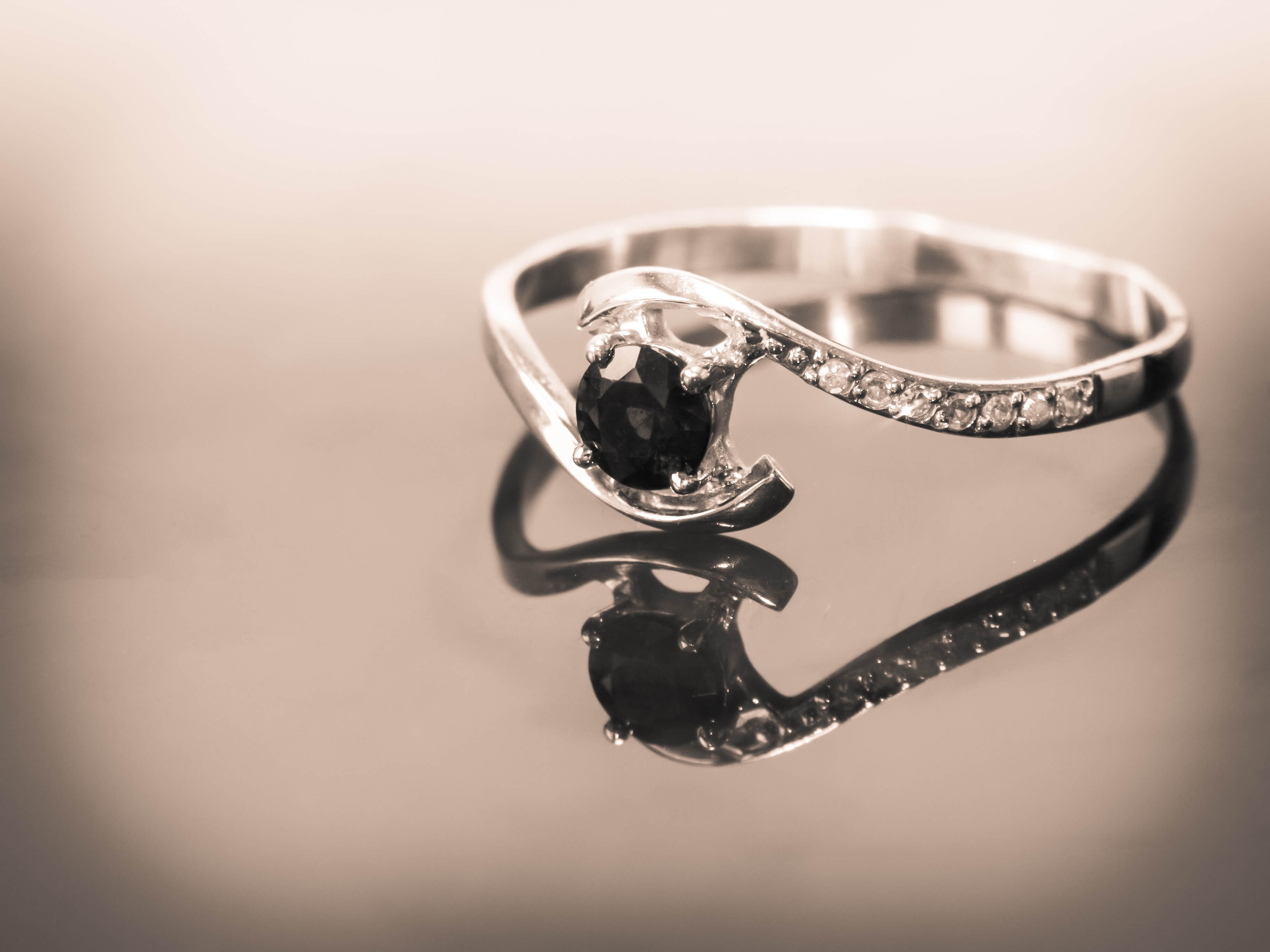
Design starts from the stone's actual measurements. Antique stones are rarely round in the modern sense, their outlines wobble by a few tenths of a millimeter, and the head has to be built to those measurements. That is why family stones almost always end up in custom work even when the owner started out browsing finished engagement rings online.
The design decision that matters most is how much of the ring competes with the stone. An antique cut in a busy modern setting looks dull by comparison with its own accent stones, and the settings that flatter these stones tend to be simple, with fine metal work and a low stone count.
Family Agreement Before the Bench
Get the family conversation finished before any metal is cut. More than one heirloom project has stalled halfway through because a sibling assumed the stone was going to them, and jewelers see this often enough that some ask directly who owns the stone before quoting.
Siblings dividing assets can halve a bank account or sell a house and split the proceeds, and a diamond cannot be divided at all without destroying it. Where several people want the same stone, the workable solutions are a buyout at appraised value or a plan where one person receives the stone and the others receive something of similar worth.
Documentation and Insurance
An old stone usually has no paperwork. Before it goes anywhere near a bench, it should be measured, photographed and valued. Insurance appraisals are written for replacement value by a qualified expert and are a different document from a verbal estimate at a counter, and the stone should be covered for the duration of the project.
Ask the workshop for its own documentation as well. A written record of the stone's condition on arrival protects both sides, and photographs taken under magnification before setting settle any later question about when a chip appeared. Most reputable workshops do this without being asked.
Sentiment in the Design Brief
The reason people take on all this trouble is worth naming plainly. Wearing something a grandmother wore is a way of keeping her in the room, and the mental health benefits of that kind of remembering are well documented, particularly a stronger sense of connection to people who are no longer present.
That is the actual product here. A new stone of better proportions is available at any counter for the cost of the reset, and the family stone is chosen because of who wore it, which means the design brief should protect the qualities that identify it. Keeping the original culet visible from below, or reusing a section of the old shank inside the new one, preserves more of that than a technically superior stone ever could.
First Decision Before the Bench
Before any of the rest of it, decide what the stone is for. A ring built to be worn every day for the next 40 years needs protective setting choices that a piece intended for occasional wear does not, and an old stone with chipped edges may be better served by a pendant while a newer stone takes the ring.
Nostalgia is a forward looking emotion as much as a fixation on the past, which is a reasonable way to think about an heirloom project. The ring being built now will be the family stone that someone inherits in 2075, and the decisions made at the bench this month are the ones that decide how much of it survives to be handed on.





.jpg)


.jpg)
.jpg)