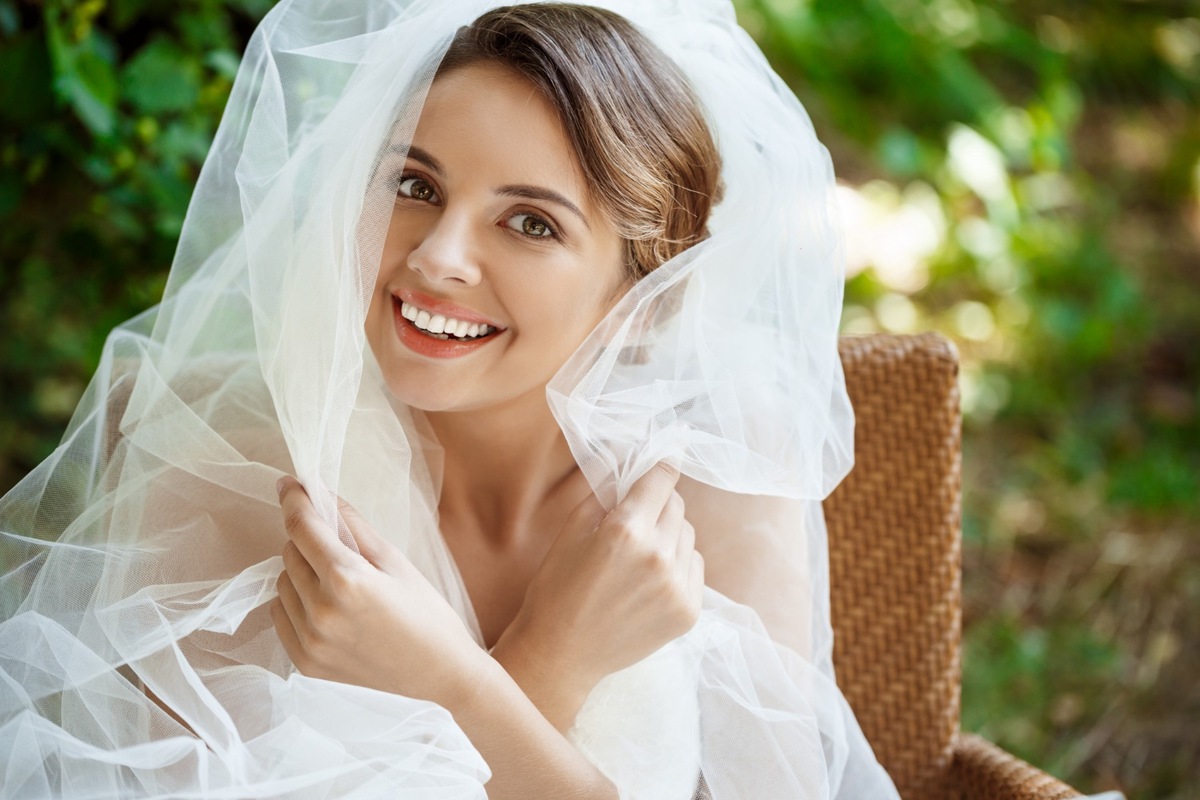
Picture Perfect: Why Natural Retouching Beats Over-Processing in Wedding Photos
Wedding photographs last far longer than flowers, cake, or even the dress itself. Years later, they become the way a couple remembers how the day truly felt. That is why many brides start to worry about how they will look on camera. A minor breakout, tired eyes after a sleepless night or uneven lighting can suddenly seem like a big deal.
The good news is that modern portrait editing makes gentle improvements easy and accessible. Simple tools such as PhotoDiva allow brides to polish images without technical skills or complicated software. The aim is not to change a face. The aim is to keep the moment honest while helping photos reflect how a bride looked — and felt — at her best.
Why Natural Retouching Always Wins
Heavy editing rarely ages well. Trends change fast. What looks fashionable today can appear artificial in just a few years. Over-smoothed skin, sharp contour effects, or exaggerated colour tones often distract from real emotion.
Natural retouching works differently. It respects texture, expression, and personality. A wedding album should show joy, warmth, and connection. Guests laugh, tears appear, makeup shifts slightly. These details belong to the story.
Subtle edits help remove distractions rather than create a new version of reality. When done well, nobody notices the editing itself. Viewers simply see a confident bride in beautiful light.
Professional photographers often follow one rule: if the edit becomes obvious, it has gone too far.
Focus on Temporary Imperfections Only
Every bride faces small, temporary issues. Stress before the wedding may cause a spot or redness. Lack of sleep can leave shadows under the eyes. These details feel huge on the day but disappear within weeks.
Retouching should focus on these short-term imperfections.
A single pimple can be removed in seconds with a healing or correction brush. The key is precision. Only the blemish should disappear. Natural skin texture must stay intact. When texture remains visible, the result looks real.
Dark circles also respond well to light correction. Instead of full removal, soften the shadow slightly. Eyes then look rested without losing shape. Complete erasure often creates a flat or unnatural look.
Freckles, beauty marks, and natural lines should usually stay. They form part of identity. Wedding photos should still look like the person friends and family recognise.
Even Skin Tone Without Losing Character
Uneven skin tone often comes from lighting rather than skin itself. Outdoor ceremonies create mixed shadows. Indoor venues may cast warm or cool colour tints.
The solution is gentle colour balancing.
Start by correcting redness or yellow tones in small areas. Many portrait editors include automatic skin tone tools. These features adjust colour gradually, which helps avoid harsh transitions.
Avoid strong smoothing filters. Skin has texture. Pores and fine lines catch light in a natural way. When smoothing becomes too strong, faces resemble porcelain masks. A light touch gives a healthier result.
A useful guideline: zoom out often during editing. If changes look obvious at normal viewing size, reduce the effect.
Simple Lighting Corrections Make a Huge Difference
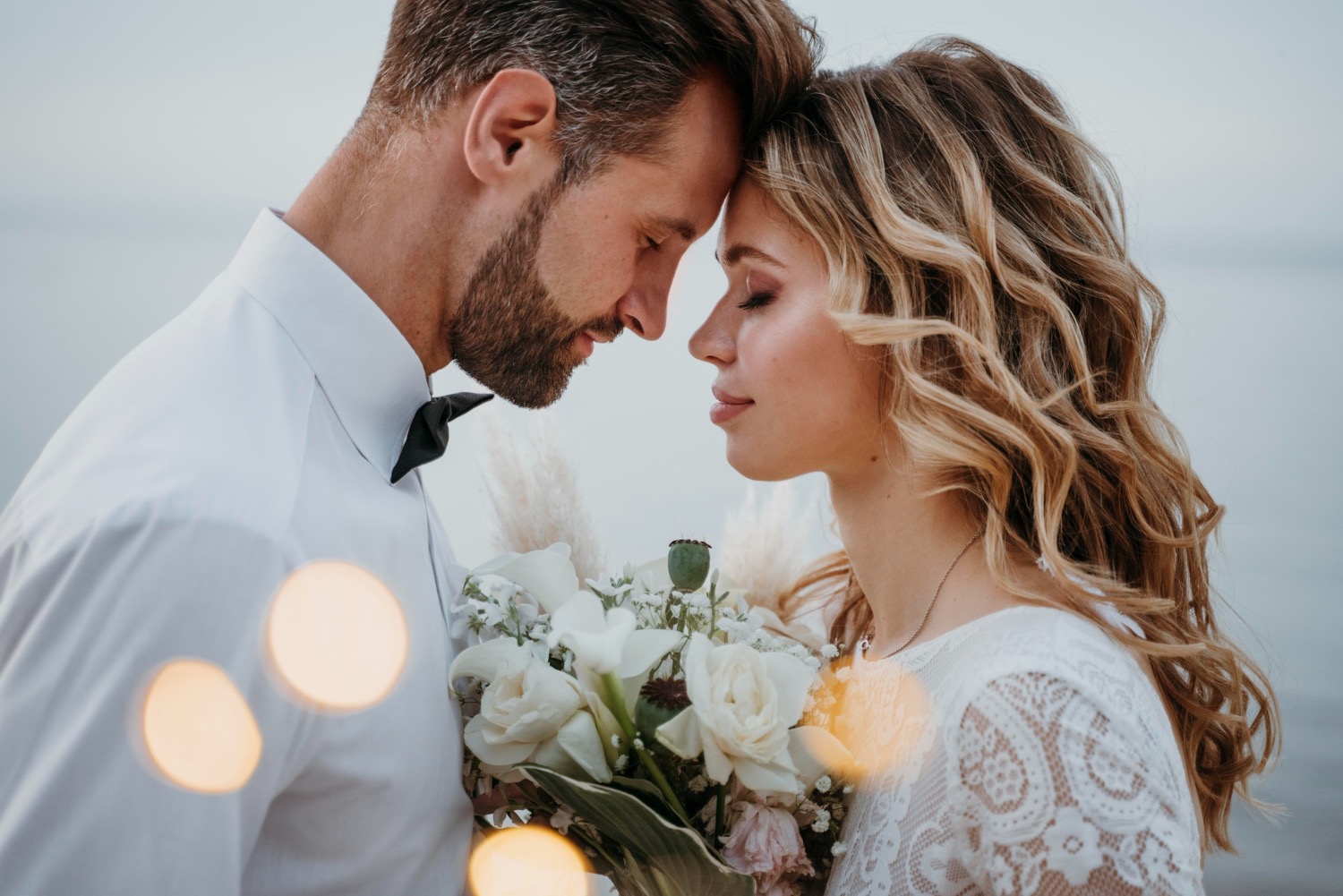
Lighting shapes every portrait. Even excellent photographers face difficult conditions during weddings. The bright midday sun creates sharp shadows. Evening receptions may appear slightly dull or grainy.
Basic lighting adjustments can transform an image quickly.
Increase exposure only a little. Over-bright photos lose depth. Instead, lift shadows gently to reveal detail in the dress and face. Reduce highlights if sunlight looks harsh on the forehead or cheeks.
Warmth also matters. A slight increase in warmth can make skin appear healthier. Too much warmth turns white dresses orange, so balance remains essential.
Contrast deserves careful handling. Strong contrast may look dramatic but often emphasises texture and lines. Softer contrast creates a romantic feel that suits wedding imagery.
Keep Makeup True to Life
Wedding makeup artists design looks for real conditions, not studio lighting alone. Editing should support their work rather than replace it.
Enhance eyes subtly by sharpening detail or brightening catchlights. Avoid extreme whitening of teeth or eyes. Natural variation keeps portraits believable.
Lip colour can fade under bright light. A small boost in saturation restores the original shade. Heavy colour changes rarely match reality and may clash with bouquet tones or overall styling.
The goal is consistency. Photos from morning preparation to evening dancing should feel like part of the same story.
Background Adjustments Matter Too
Attention often stays on the face, yet backgrounds influence how portraits feel. A cluttered backdrop or dull colour can distract from the bride.
Soft background blur helps guide attention without obvious manipulation. Gentle colour correction can also remove unwanted colour casts from walls or decorations.
Cropping provides another simple improvement. A tighter frame can remove distractions and strengthen composition. Many strong wedding portraits rely on clean framing rather than heavy editing.
When Simple Tools Are Enough
Many brides assume professional editing requires advanced software. Programs such as Photoshop offer powerful control and remain the industry standard for complex work. They suit commercial retouching and detailed artistic edits.
However, most wedding portraits do not require that level of complexity.
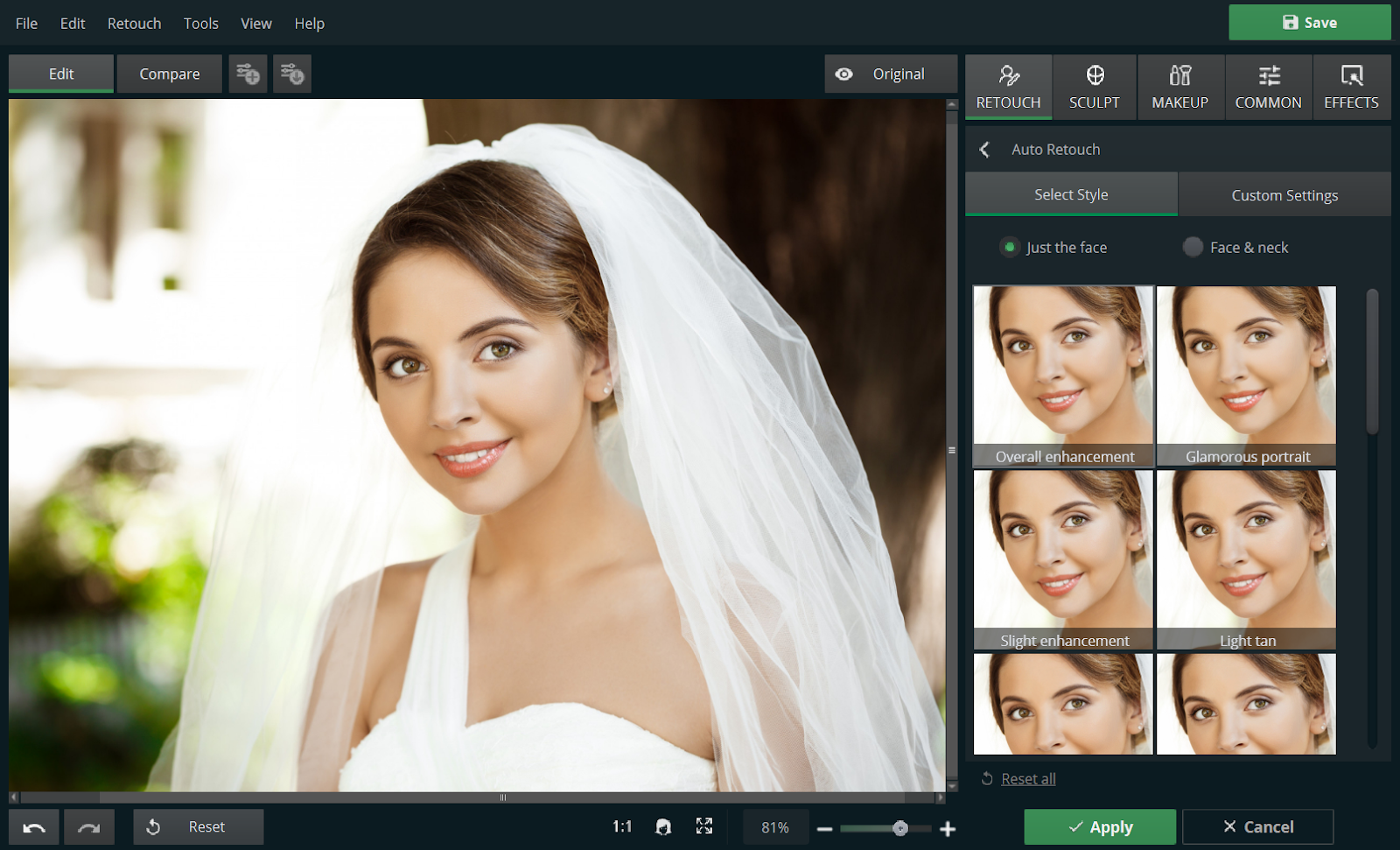
Modern portrait editors focus on faces and lighting. They provide guided adjustments designed for real people rather than graphic designers. Automatic detection tools save time and reduce mistakes.
For typical wedding photos, simple solutions often achieve everything needed: blemish removal, skin tone balance, eye enhancement, and lighting correction. The process stays quick and approachable.
Timing Matters
Editing immediately after the wedding may not be ideal. Emotions run high, and small details can feel more important than they really are.
A short pause helps create perspective. After a few weeks, brides often prefer softer, more natural edits. The focus shifts from perfection to memory.
Wedding photographs should feel timeless. Calm decisions support that goal.
The Final Verdict
Your wedding photos are your story. They should reflect the happiness of your day. When you edit, aim for the "less is more" approach. Take a photo and look at it. Ask yourself if it still looks like you. If the answer is yes, you are on the right track.
Remove the temporary stuff. Fix the lighting. Enhance the colours. But let your genuine smile and your happy tears stay exactly as they are. Those are the details you will treasure. Those are the moments that made your day special. Good editing supports those moments. It does not overshadow them. With the right tools and a light touch, you can have wedding photos that you will love forever. Photos that are polished and beautiful, but still unmistakably you.

.jpg)
.jpg)
.jpg)
.jpg)