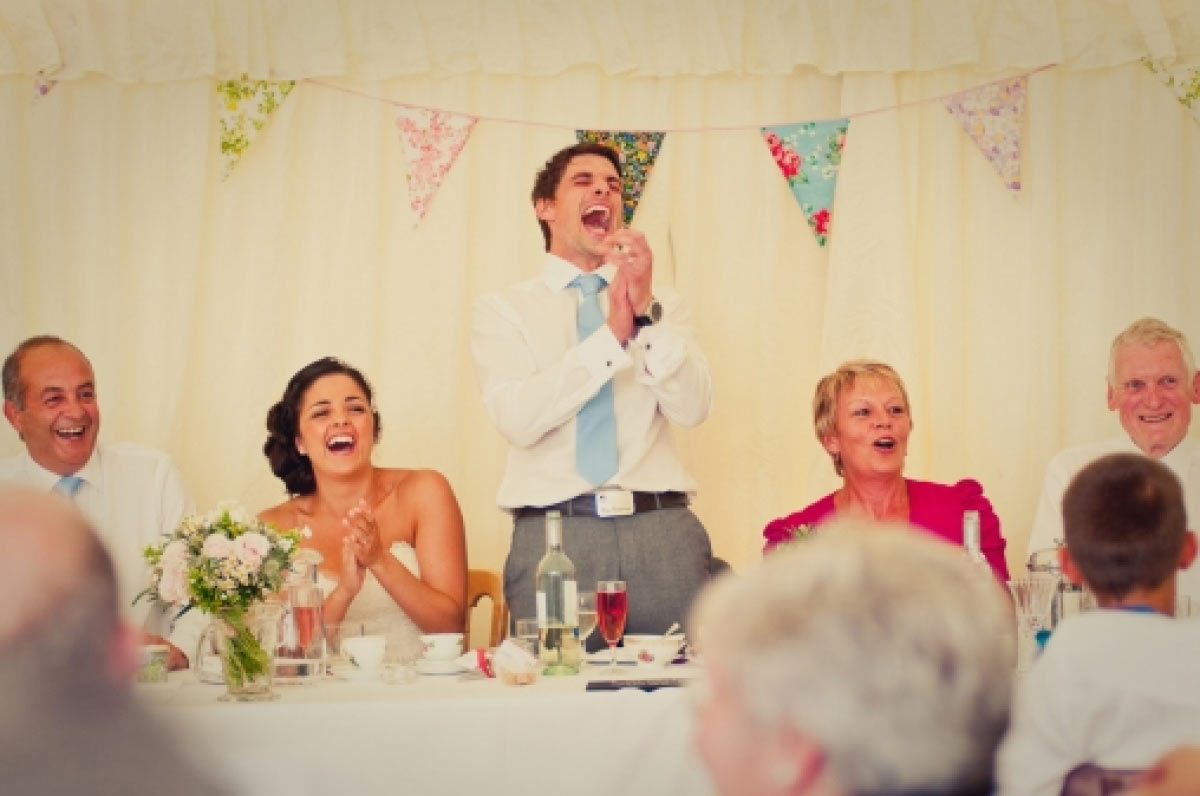
No doubt you've heard the urban myths. Some have fractured families, some have gone viral on YouTube, others caused immediate annulments and walkouts - but however the story went, I'm certain that everyone has witnessed something of their own spectacle.
Savvie Photography
There can be an incredibly fine line between brilliance and sheer mortification and the results can range from utter disgust to unbridled worship. Yes, ladies and gentlemen, I am, of course, referring to the wedding speeches.
Whether they care to admit it or not, it's a worry for everyone. From the writing to the delivery and anticipated audience response, the speech can present all manner of problems and repercussions - whether it's the dread of flat falling lines to the hazardous territory of a joke too far.
Avoid the potential pitfalls and emerge master orator and cream of the toast by heeding these hints.
Tradition
Remember: There is certain etiquette regarding speeches that is always best generally adhered to. Though we live in modern times and traditions are constantly evolving, it's important to keep in mind the purpose and audience at all times.
Do: Consider both the bride's and groom's families as well as other guests and, if it's a child-friendly event, scrap, minimise or cleverly disguise rude content via innuendo or suggestion, which can be much funnier anyway.
Don't: Be extreme. Everyone's humour and sense of sentimentality is different, so while it may appear dull to deliver from the sidelines, excessive emotion can prove incredibly awkward for everyone. Hysterical crying/laughter is simply cringeworthy, so rein it in.
Do: Tell funny tales to illuminate character and reveal secret snapshots of the bride and groom's relationship. Endearing anecdotes and funny stories are a perfectly acceptable reminder of how great and suitably matched they are.
Don't: Delve into history too much. A wedding is about the future, not dragging anyone's name through the dirt and recalling past relationships, however amusing you think it is. Be audience appropriate - does Granny really want to hear about the time he...? Exactly.
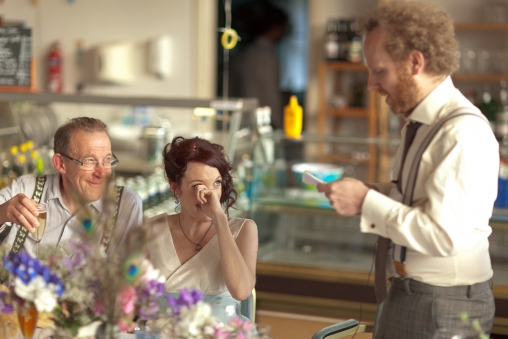
Kirstin Prisk
Time
Remember: Short and sweet is one thing, but just uttering a meek "congratulations" won't quite cut it. Similarly, people don't want to be forced into listening to you drone on for half an hour. Talk to the couple about timing and the order of events, rehearse - and be aware of how fast you talk.
Do: Be prepared to omit or add material depending on how fast or slow the delivery takes - and if the crowd is more/less than enthused. Sometimes you have to roll with the punches.
Don't: Get overexcited or carried away and start ad-libbing too much. Some improvisation and spontaneity is good, but just because you suddenly like the sound of your own voice doesn't mean everyone else will.
Do: Have someone nearby that can signal or whisper that you've reached your time limit. Consider giving the next speaker a line of transition or introduction before you humbly sign off.
Don't: Delay. Causing hold ups by hanging round the bar and chatting up the bridesmaids when you should be speaking will disrupt the flow. Know exactly when and before/after which person you're speaking - and ensure all toilet breaks, eating/drinking/flirting is taken care of prior to this moment.

Ashley Hampson
Technology
Remember: Individualisation is good, but keep it low key. A 3D surround-sound spectacular may sound impressive, but it's ultimately showy and has a massive potential for pitfalls. Be techno savvy and by all means enlist some modern media, but truly ask yourself - and others - whether it enhances or overshadows the experience.
Do: Use pictures. As well as saving you words, they add nicely to the atmosphere and ease pressure by taking all eyes of you for at least a little while. Whether picture presentations projected onto a screen, printed handouts to pass around or photos plastered throughout the venue, they are a wise and memorable move.
Don't: Be too distasteful. Again, this is subjective, so get a variety of honest opinions from various people before publishing semi-nude or uncompromising pictures of anyone involved in the wedding. If you get it wrong, you'll never be forgiven.
Do: Experiment. Film, video messages and musical montages can all work wonders and infuse great comic relief and emotion into a speech.
Don't: Overdo it. While the odd snapshot or mini-movie is entertaining, you are meant to be talking, not merely pressing play. Sensory overload will leave your audience saturated, not spellbound.
Do: Discuss all technological additions with the couple and venue. Some places won't be able to support a network of power cables and some couples may not be overly keen having to change their seating plan to accommodate a giant cinematic screen for a ten second clip.

Aaron Polhill
Trends
Remember: A little timelessness is required. What's hot now can appear odd or cheesy in years to come, so tasteful consideration is required. Thinking outside the box is good; people usually like 'different' but off-the-wall isn't mainstream - and remember that's what you're aiming for. Your role is predominantly to please the couple, their families and all the guests, so you can't afford to be too whimsical or self-indulgent.
Do: Take another approach. Weave your way amongst the crowd rather than remaining stationary, use props or play dress up as part of a joke/story. Go a bit wild - but know your boundaries.
Don't: Go off track. Personalisation may be en vogue, but nobody wants an autobiography of your life or a protracted testimony detailing exactly what the bride/groom means to you beyond adored best friend/brother/son/daughter etc. Digress and divulge too much at your peril.
Do: Tease a little. So long as it's fun, innocuous and expresses genuine affection for the person/people involved - by all means, amuse the crowds with humorous highlights from the bride/groom's lives.
Don't: Drink too much alcohol. Drunkenness = disaster.
Don't: Insult people. Though current trends seem intent on varying degrees of naming-and-shaming, it really isn't that cool. Remember the core component here is respect. Your job is to reflect and congratulate, not reveal skeletons from past lives for public branding and humiliation - memorable, yes - but only in tragic myth-making territory...
WHO SAYS WHAT?
The Father of the Bride
- Welcome the guests and thank them for coming
- Talk about your daughter and son-in-law: character, achievements, fond memories
- Welcome new son-in-law to your family
- Toast the bride and groom
The Bridegroom
- Thank the bride's father for the toast and, indeed, his daughter
- Thank the guests for coming and for their gifts
- Thank everyone involved in organising the wedding (you may decide to give bouquets to the mothers and gifts to the groom's party)
- Thank your wife for marrying you and talk about her and/or your relationship
- Thank and toast the bridesmaids (you may decide to give them gifts)
The Best Man
- Thank the groom for his toast and thank the bridesmaids
- Deliver messages from absentees
- Talk about the groom, and also the bride, giving amusing anecdotes and sharing past memories
- Toast the parents
The Bride
- Though there are no social conventions, the bride usually thanks everyone involved, including parents, families, all friends, bridesmaids, the groom's party and guests - and especially her husband
- May share stories and memories of how they became a couple, future hopes and dreams
- Personal reflections on the day/love/marriage
words Hannah May
Copyright WED Magazine 2012

.jpg)



.jpg)

.jpg)
.jpg)