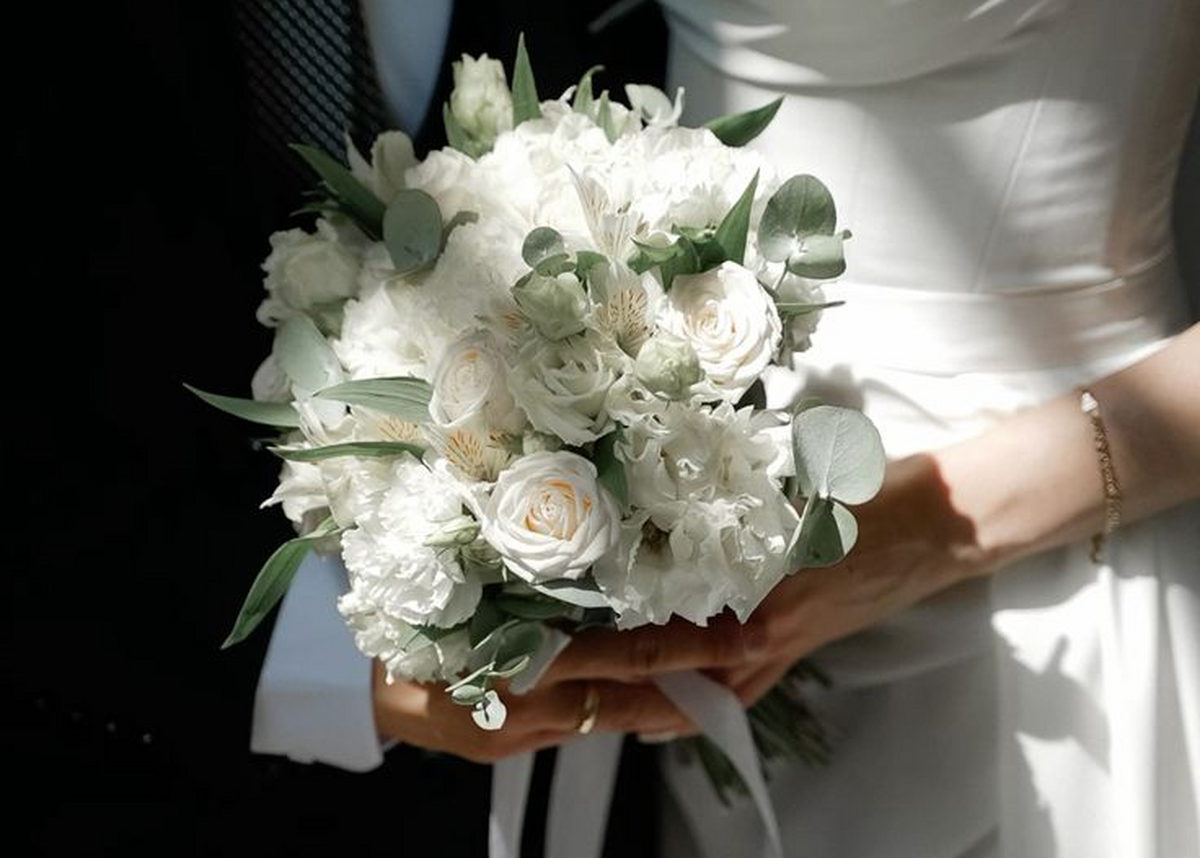
How to choose your wedding flowers without missing a thing.
Picture this: you and your partner are sitting at the kitchen table, laptop open, seventeen browser tabs deep, trying to plan wedding flowers from scratch — and you have no idea where to start. You don’t know a ranunculus from a peony. You’re not sure how many bouquets you actually need. And every Pinterest board you save makes the whole thing feel bigger, not simpler.
Sound familiar? You’re not alone.
The average wedding involves somewhere between 30 and 50 individual floral decisions, from the bouquet in your hands to that tiny bud vase in the bathroom you didn’t even know was a thing. The good news? Delivery of flowers in a bag from a reliable service will make organizing wedding flowers easier and more enjoyable.
That’s exactly why this guide exists.
We’re going to walk through everything — setting your mood and your budget, the full checklist of floral pieces you might need, seasonal flower choices, building a colour palette, finding a florist you trust, the DIY question, common mistakes, and how to keep everything looking fresh from the first photo to the last dance.
Let’s get into it.
Start with the feeling, not the flower names
Here’s the thing about planning wedding flowers from scratch: most couples get stuck right at the beginning because they think they need to walk into a florist consultation knowing the difference between a lisianthus and a garden rose.
You really don’t.
What matters first is the feeling you want your wedding day to have.
Define your wedding mood first
Before you Google a single bloom, sit down with your partner and talk about the atmosphere you want to create.
Romantic
Soft, flowing arrangements with lots of texture and delicate petals. Think blush tones, candlelight and timeless elegance.
Modern
Clean lines, sculptural flowers like anthuriums or calla lilies, and a refined colour palette.
Bohemian
Loose, wildflower-inspired arrangements with trailing ribbons, grasses and natural movement.
Classic
Symmetrical, polished and timeless. White roses, lush greenery and elegant styling that never dates.
Rustic
Earthy tones, wooden details and flowers like sunflowers or daisies arranged in vintage-style vessels.
Minimalist
One statement flower per table, plenty of negative space and greenery doing most of the work.
Once you settle on a mood, everything else — colours, flower choices and arrangement styles — becomes much easier.
Build a focused mood board
Pinterest, Instagram and wedding blogs are brilliant for inspiration, but try to keep your mood board focused.
A collection of 20–30 strong images is far more useful than hundreds of scattered ideas. A florist can quickly identify patterns in your choices and understand your style far more clearly.
And don’t forget to use inspiration you already have:
- Your venue’s architecture
- Your dress silhouette
- Invitation design
- Table styling
- The season you’re getting married in
All of these naturally point towards a floral direction.
Set a realistic wedding flower budget
When planning wedding flowers from scratch, your budget shapes every decision.
In the UK, most couples typically spend anywhere between £1,200 and £3,000 on wedding flowers, depending on the scale of the wedding and the complexity of the designs.
Larger weddings with floral arches, hanging installations and luxury centrepieces can easily exceed £5,000–£10,000+, while couples keeping things simple or incorporating DIY elements may spend closer to £400–£1,000.
Prioritise where flowers matter most
Not every floral detail gets equal attention.
Your:
- Bridal bouquet
- Ceremony backdrop
- Reception centrepieces
…will appear in the majority of your wedding photographs.
Smaller touches — like bathroom bud vases or cocktail table flowers — are lovely extras, but they’re less important if you’re trying to manage costs.
Put your budget where the cameras point.
Smart ways to stretch your budget
- Repurpose ceremony flowers at the reception
- Choose seasonal blooms
- Use greenery-heavy arrangements
- Ask your florist for “designer’s choice” flexibility
Typical UK wedding flower costs:
Bridal bouquet
£120–£300
Bridesmaid bouquet
£50–£100
Buttonhole
£10–£25
Corsage
£20–£40
Table centrepiece
£60–£250+
Ceremony arch flowers
£250–£1,200+
Cake flowers
£40–£120
The complete wedding flower checklist
Personal flowers
- Bride’s bouquet
- Bridesmaid bouquets
- Maid of honour bouquet
- Flower girl petals or mini bouquet
- Groom’s buttonhole
- Groomsmen buttonholes
- Corsages for mothers and grandmothers
- Buttonholes for fathers and grandfathers
- Ring bearer flowers
- Officiant buttonhole
Ceremony flowers
- Ceremony arch or altar flowers
- Aisle arrangements
- Welcome sign flowers
- Petal toss or confetti flowers
Reception flowers
- Table centrepieces
- Top table flowers
- Cake flowers
- Bar arrangements
- Guest book table flowers
- Bathroom bud vases
- Toss bouquet
Choose flowers that suit the season
Seasonal flowers are fresher, more affordable and naturally look their best at that time of year.
Spring wedding flowers
Peonies, ranunculus, tulips, lilacs and sweet peas.
Summer wedding flowers
Dahlias, hydrangeas, sunflowers, garden roses and delphiniums.
Autumn wedding flowers
Chrysanthemums, celosia, amaranthus and burgundy dahlias.
Winter wedding flowers
Amaryllis, anemones, hellebores, evergreen foliage and berries.
Reliable year-round flowers
- Roses
- Carnations
- Baby’s breath
- Eucalyptus
And if you absolutely love an out-of-season flower? Your florist may still be able to source it internationally — though it usually comes at a higher cost.
Build a colour palette that feels intentional
One of the easiest ways to make wedding flowers feel cohesive is to follow a simple three-colour approach:
- One dominant colour
- One secondary tone
- One accent shade
A few timeless palettes include:
- Blush, ivory and sage
- Burgundy, terracotta and cream
- White, dusty blue and soft green
- Coral, marigold and pink
A practical tip: bring fabric swatches or printed colour references to your florist consultation. Phone screens rarely show colours accurately.
Finding a wedding florist you trust
The right florist doesn’t just arrange flowers — they help bring your vision to life.
Where to look
- Wedding directories
- Venue recommendations
- Word of mouth
Questions worth asking
- How many weddings do you handle each weekend?
- Can I see full wedding galleries?
- Do you handle delivery and setup?
- What happens if certain flowers are unavailable?
- What’s included in the proposal?
- Do you offer mock-ups or trial bouquets?
- When is final payment due?
- Do you collect hired items afterwards?
Red flags
- No written contract
- Vague pricing
- No real wedding portfolio
- Pressure to book immediately
DIY wedding flowers — is it worth it?
DIY wedding flowers can work brilliantly for:
- Smaller weddings
- Simple designs
- Creative couples with plenty of help
But they can quickly become stressful for larger weddings or complex installations.
DIY tips
- Order flowers 3–4 days before the wedding
- Store stems in cool water
- Remove leaves below the waterline
- Assign someone to manage all flower logistics
A smart compromise is to DIY reception flowers while hiring a florist for personal flowers like bouquets and buttonholes.
Common wedding flower mistakes
Booking too late
Popular florists often book up 9–12 months in advance.
Forgetting tables
Final guest counts directly affect floral quantities.
Ignoring the venue
Some venues already have plenty of visual impact and need fewer flowers.
Overlooking fragrance
Certain flowers can be overpowering indoors.
Not planning for heat
Outdoor summer weddings need hardier flowers.
No contingency budget
Allow an extra 10–15% for unexpected additions.
Keeping your flowers fresh on the day
- Keep bouquets cool and in water until needed
- Mist arrangements lightly before the ceremony
- Refrigerate buttonholes
- Keep outdoor flowers shaded
- Ask someone to move ceremony flowers to the reception space
After the wedding:
- Trim stems regularly
- Change water daily
- Keep flowers away from direct sunlight and fruit bowls
Thoughtful floral extras
- Flower crowns
- A flower bar for guests
- Pressed flower artwork
- Bouquet preservation
- Donating flowers after the wedding
Several UK charities and care homes also welcome donated wedding flowers after events.
You’ve got this
Planning wedding flowers from scratch can feel overwhelming at first, but once you break it down into smaller decisions, it becomes far more manageable.
A great florist will guide you through the process — translating your ideas into beautiful arrangements that feel personal to you and your day.
Trust your instincts. The flowers you keep coming back to are probably the right ones. The colours you’re naturally drawn to are likely your palette. And the budget that feels comfortable to you is the correct one — regardless of trends or expectations.
Most importantly, your flowers should feel like an extension of your celebration, not another source of stress.
And that’s when the magic really happens.
Browse the MyGlobalFlowers blog for more wedding planning ideas, or start exploring arrangements that match your style. And one last question to sit with: what's the one flower you absolutely have to have on your wedding day?
Frequently asked questions
How far in advance should I book a wedding florist?
Book your florist 9–12 months before the wedding, especially for peak season dates between May and October. Popular florists take on a limited number of events per weekend, so earlier is always better. Even 6 months out, you may find great options — just don't wait until 3 months before and expect wide availability.
How much do wedding flowers cost on average in the UK?
Most UK couples spend between £1,200 and £3,000 on wedding flowers, depending on the size of the wedding and the style of arrangements chosen. Budget-conscious weddings with simpler designs can come in around £400–£1,000, while luxury floral styling with large installations and statement centrepieces can easily reach £5,000–£10,000 or more.
Your final spend will depend on:
- Guest numbers
- Flower choices
- Seasonality
- The number of floral arrangements included throughout the day
Can I mix real and artificial flowers at my wedding?
Absolutely.
High-quality silk or preserved flowers can blend beautifully with fresh blooms, particularly in larger installations like arches, hanging arrangements or ceiling garlands where guests view them from a distance.
Many couples choose:
- Fresh flowers for bouquets and buttonholes
- Faux or dried flowers for larger décor pieces
It’s a great way to manage costs while still achieving a full, luxurious look.
What’s the best way to preserve my bridal bouquet after the wedding?
Popular bouquet preservation methods include:
- Pressing flowers into framed artwork
- Resin preservation
- Shadow box displays
- Professionally dried arrangements
Professional bouquet preservation in the UK typically costs between £120 and £450, depending on the method and complexity.
For the best results, begin the preservation process within 24–48 hours after the wedding to help maintain colour and shape.
Do I need flowers for every table at the reception?
Not necessarily.
Many couples mix floral centrepieces with:
- Candles
- Lanterns
- Greenery runners
- Bud vases
- Decorative styling pieces
Some opt for larger arrangements on alternate tables while keeping others more minimal.
The key is consistency — whatever approach you choose, make it feel intentional and cohesive throughout the space.
Which wedding flowers work best in hot weather?
Certain flowers cope far better with warm weather and outdoor weddings than others.
Some of the best heat-tolerant wedding flowers include:
- Orchids
- Proteas
- Anthuriums
- Succulents
- Zinnias
Delicate flowers like sweet peas or garden roses can wilt more quickly in direct heat, especially during summer ceremonies.
For outdoor weddings, ask your florist to recommend hardy varieties suited to the season and keep arrangements shaded until guests arrive.

.jpg)
.jpg)
.jpg)