Elegant Wedding Guest Dresses That Transition from Day to Evening
Weddings aren't what they used to be. Gone are the days of a brief ceremony followed by a sit-down dinner and a taxi home by ten. These days, a wedding invitation often means committing to an entire day, afternoon vows, a cocktail hour, a reception that runs late, and quite possibly an afterparty that stretches into the small hours. It's a lot to dress for, and the idea of squeezing a wardrobe change somewhere between the speeches and the first dance isn't exactly appealing.
That's why so many guests are rethinking how they approach occasionwear. The question is no longer simply "what looks nice for a wedding?" but rather "what's going to work at two in the afternoon and midnight?" It's a harder brief than it sounds, and it's led to a genuine shift in what people are reaching for when they start browsing wedding guest dresses.
The Shift Towards Understated Elegance
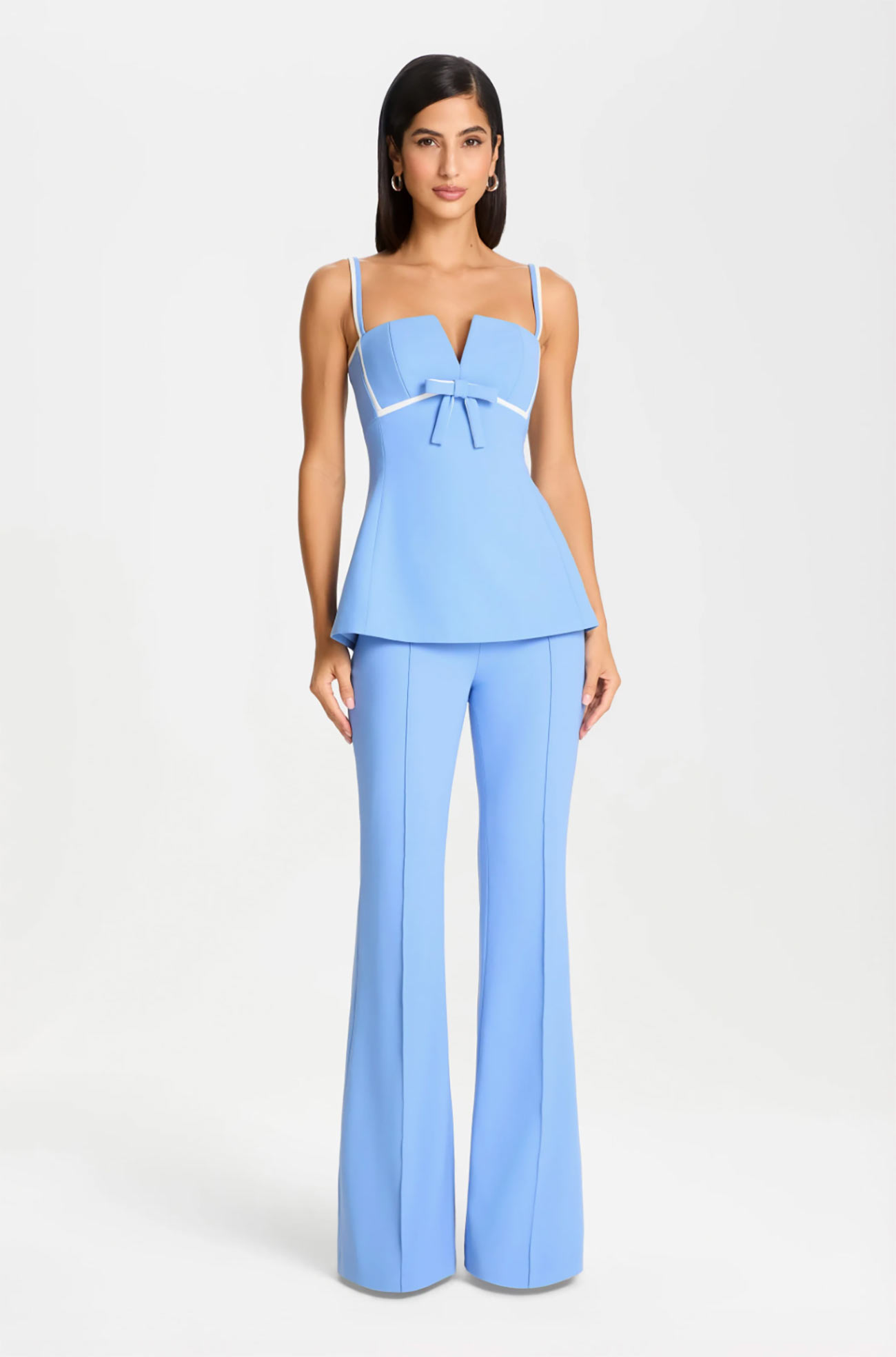
One of the most notable changes has been a move away from heavily embellished, evening-only gowns. There's a growing preference for something more understated, cleaner lines, thoughtful cuts, fabrics that do the heavy lifting without screaming for attention. This isn't just about practicality. It reflects a broader shift in fashion generally, where longevity and wearability tend to matter more than chasing whatever's trending this season.
Why the Midi Silhouette Works So Well
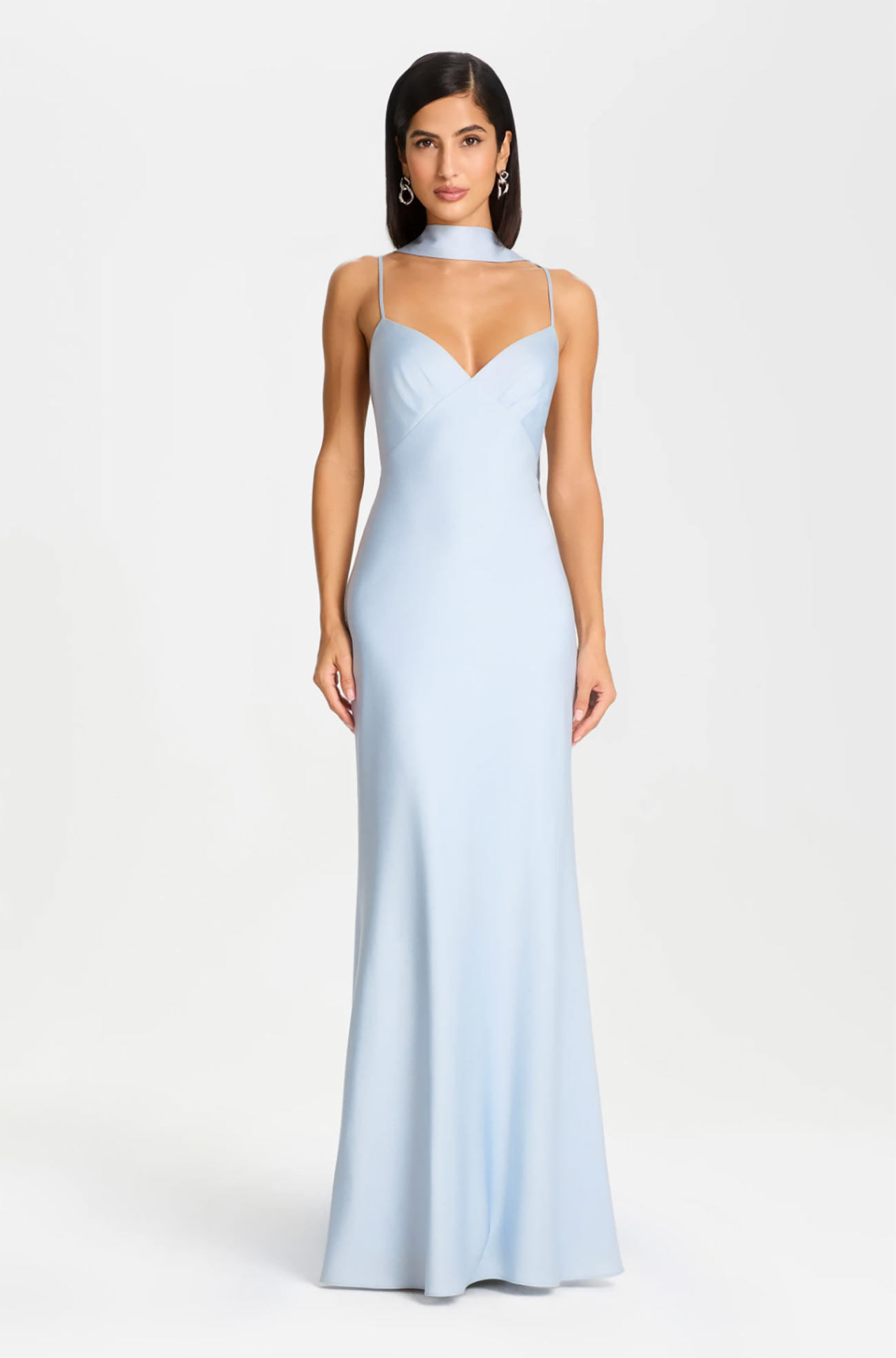
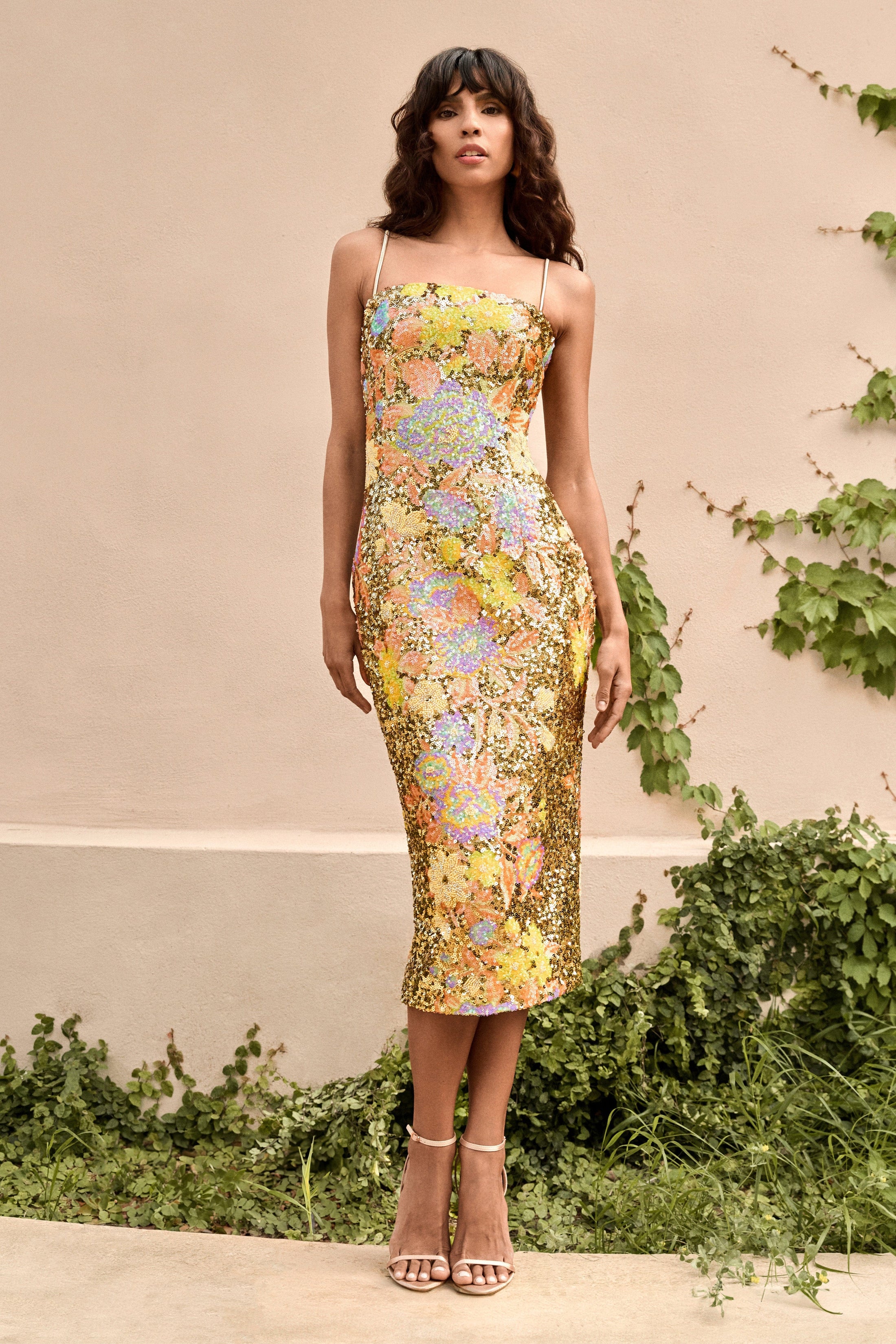
Midi dresses have quietly become the go-to silhouette for exactly these reasons. They're appropriate for formal settings, they're comfortable over long periods, and they suit almost any wedding venue, countryside barns, city rooftops, Mediterranean terraces. Satin and crepe midis in particular have a useful quality: they look refined and quietly elegant in afternoon light, then seem to shift into something altogether more glamorous once the sun goes down and the lighting softens. It's the same dress, but it reads differently depending on the hour.
The Case for Tailoring
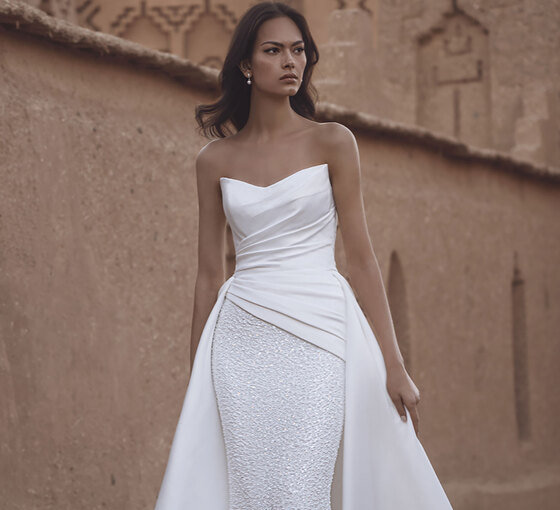
Tailoring has also made a significant mark on modern occasion dressing. Sharp shoulders, corsetry-style bodices, sculptural draping, these details give a dress a contemporary edge that works for a formal ceremony without making it impossible to actually enjoy yourself later on. There's something to be said for structure that doesn't restrict. The best occasion dresses manage both.
Choosing the Right Colour
Colour is worth thinking about more carefully than people sometimes do. Soft neutrals and deeper jewel tones genuinely hold their own across changing light throughout the day. Champagne, sage, navy, deep berry, chocolate, these shades feel polished without competing with the surroundings. They're also far easier to photograph well at any time of day, which, let's be honest, matters at weddings. Brighter colours have their place, particularly at summer celebrations, but muted palettes tend to offer more flexibility and tend to get worn again.
A Word on Black
Black has shed its old reputation as too sombre for weddings, at least for city venues and evening receptions. A well-cut black dress with minimal embellishment or clean tailoring can look genuinely chic during the day and then carry through effortlessly into the evening. The acceptance of black occasionwear is part of the broader drift towards minimalism, an approach that prioritises sharp, considered styling over decoration for its own sake.
Fabric Makes More Difference Than You'd Think
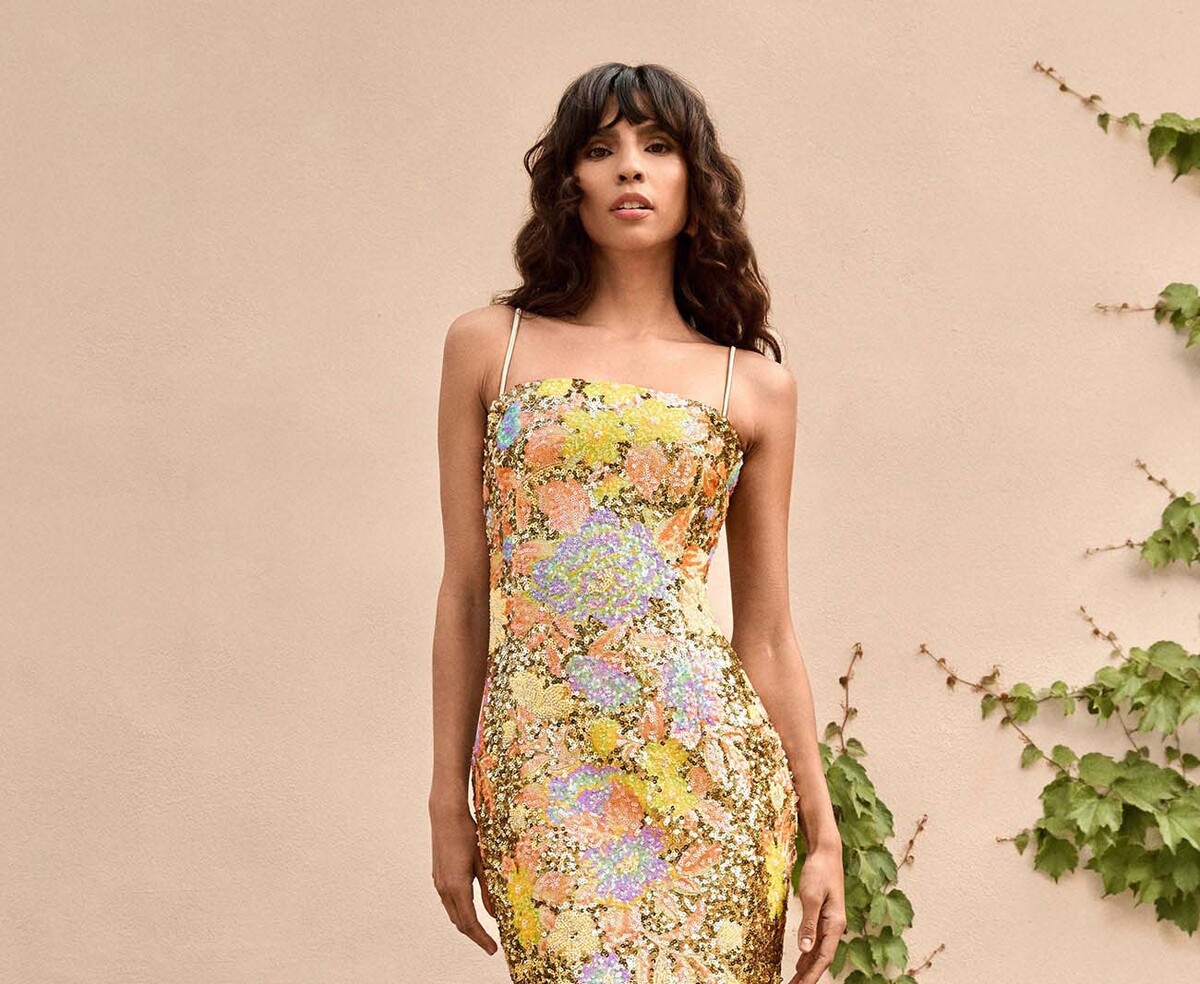
Fabric matters far more than it's often given credit for. Lightweight satin, silk blends and crepe sit well, move comfortably and don't collapse after a few hours of wear. For autumn and winter weddings, jacquard and velvet have had something of a revival, they add richness and texture without feeling too heavy. Sequins are still around, but they're appearing in more restrained forms: tonal detailing, subtle accents rather than head-to-toe coverage. It's a more wearable approach that doesn't feel out of place at two in the afternoon.
Layering for the Great British Weather
For anyone attending a UK wedding, which almost always involves some degree of unpredictable weather, layering is simply practical. A cropped blazer or a tailored coat pulled on between the ceremony and the drinks reception can make a real difference in comfort, and shedding it later in the evening quietly refreshes the whole look. Sheer overlays serve a similar function with a lighter touch.
Getting Accessories Right
Accessories deserve more strategic thought than they sometimes get. During the daytime, classic heels, understated jewellery and a structured bag tend to work well without overdoing things. Once the evening kicks in, there's room to shift slightly, a statement earring, a metallic clutch, something with a bit more presence. It's a simple adjustment, but it's enough to make the same outfit feel like it belongs to the evening rather than the afternoon.
Packing Smart for Destination Weddings
Destination weddings have pushed all of this further. When you're flying somewhere for a multi-day celebration; welcome dinner, ceremony, reception, post-wedding brunch, packing a different outfit for every occasion quickly becomes impractical. Guests travelling abroad are increasingly looking for pieces that restyle easily, breathe well in warm weather, and feel formal enough when needed without being restrictive. Versatility isn't a bonus in that context; it's the whole point.
Comfort Is No Longer an Afterthought
Comfort has also moved up the priority list in a way that feels permanent rather than trend-driven. Weddings are physically demanding days. You're standing, travelling, eating, dancing, often in heels, often for eight hours or more. Occasionwear that looks beautiful but becomes genuinely uncomfortable by seven o'clock is a poor investment. Pieces that hold their shape and allow you to move freely are simply better choices, and they're far more likely to be worn again, which, given the cost of occasionwear, seems like a reasonable thing to care about.
Dressing for the Whole Day, Not Just a Moment
What all of this points to is a quiet but genuine evolution in the way people dress for weddings. Guests are choosing for the whole day now, not just a single moment in it. Elegant tailoring, versatile fabrics and pared-back styling make it possible to move between ceremony, reception and afterparty without ever feeling out of step. The rigid formality of traditional wedding dress codes is softening, and in its place, something more considered and adaptable is taking hold.
.jpg)
.jpg)
.jpg)