Traditionally, a wedding may be played out like a Shakespearian play, with prescribed roles and lines for the main players whilst the audience ardently looks on. Yet modern movements in wedding etiquette have seen a shift from classified characterisations, instead opting for an individual twist whereby roles are dealt according to person rather than status or relationship.
In short, there are no rigid rules for interaction and role-play when it comes to the day of I dos. These days, we don't necessarily have to mimic our mother's marital trends or begrudgingly dish out speech marks to Uncle Larry just 'because'... The wedding day isn't merely a rite of passage but a self-justified call for often unexpected and entirely personal protocols that please the couple beyond anyone else.
If relations apparently can't abide each other because of some ancient family grudge no one can quite recall anyway, that's not your problem. And if placing them at the same table comprises the best lay out for the rest of the party, then you shouldn't sweat it. After all, one thing that remains utterly true is this: it's your day.
It might be easier to accept from the outset that people will bemoan the fickle points and decision-making process. That's a given and there's little you can do to placate everyone, so always remember your own agenda and compromise accordingly. The instant you start bending your beliefs to suit others is when it becomes their event, not yours. It might require explanation but once you voice your reasoning, most people will respectfully realise why you've made your choice and appreciate the tailored gesture.
Conflicts will ultimately arise because people make assumptions before you barely begin. Don't outwardly discuss anything before you both agree amongst yourselves the best course of action, otherwise the snowballs will already be uncontrollably in effect.
Classic tensions appear when choosing the best man, bridesmaids and aisle walkers. While the roles generally fall to best friends, siblings and fathers, the irony is, they're not always the best people for the jobs.
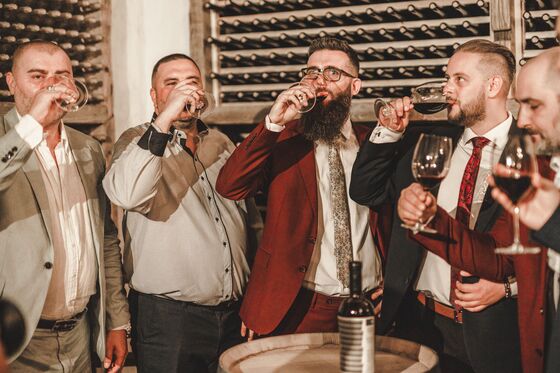
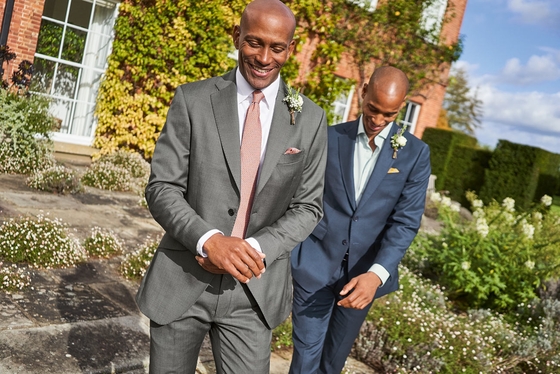
If your best mate is a great party planner but useless public speaker, why not ask him to arrange the stag do and get your stand-up comedian cousin or confident colleague to step up to the task instead? An emerging trend amongst men who can't decide between particular loved ones is to sensibly announce a pair or even trio of best men. And ladies, if your best friend happens to be male, why not ask him to be your 'mate' of honour?
If your father isn't physically up to task, absent or there's another who you'd prefer to ask, then the person who leads you down the aisle needn't be a bone of contention. Those few small steps should posses as much meaning as you desire. Nowadays, you've probably been living away from home for some time prior to the wedding day, so it's not so much a case of 'giving away' in the traditional sense so much as a loving gesture ensuring supported steps towards your soon-to-be spouse.
Another reason to ascribe roles is to make sure that all practical aspects are covered and tangible skill sets maxed out. If your friend is a professional stylist, ask them to help organise the reception and wedding party attire. Arty and creative types can assist with invitations, decor, music and entertainment. Family accountants can budget, child minders can help care for the kids and classic car owners can loan some transport; after all, the most memorable and greatest gift is a personal input rather than a generic kitchen utensil you'll probably never use anyway.
Tackle family politics and keep mothers and mother in laws separate if required by giving them clearly defined roles like official timekeeper and guest book manager. Then you'll guarantee smooth and uninterrupted clockwork proceedings. If in doubt, ask them what roles they consider apt and best suited to. If they sound convincing, give them the green light pending pre-approval. If not, tactfully tell them what you think they'll be good at and they'll probably be pleased to satisfy your requests, even if they pretend otherwise.
The strategy is to tap into personality traits and talents for a resplendent result. Not only does this approach save pennies, it personalises the day by involving your guests so that they all feel like an appreciated and intricate part of the affair, easing your workload and stress during the proceedings.
Other touches to include all and sundry can work wedded wonders. You can save yourself a headache and compile a play list of potential dance floor numbers by asking your guests to contribute a song of their choice to be aired on the night. Create keepsakes or centrepieces by asking guests to pen and send a favourite memory, photo, greeting or romantic quote on specially designed cards. Ask for honeymoon, poetic, cocktail or even menu suggestions that can be named after or attributed to the contributors. The key is inclusive creativity. The rest, as they say...
words Hannah May
illustrations Cally Gibson
Copyright WED Magazine 2010